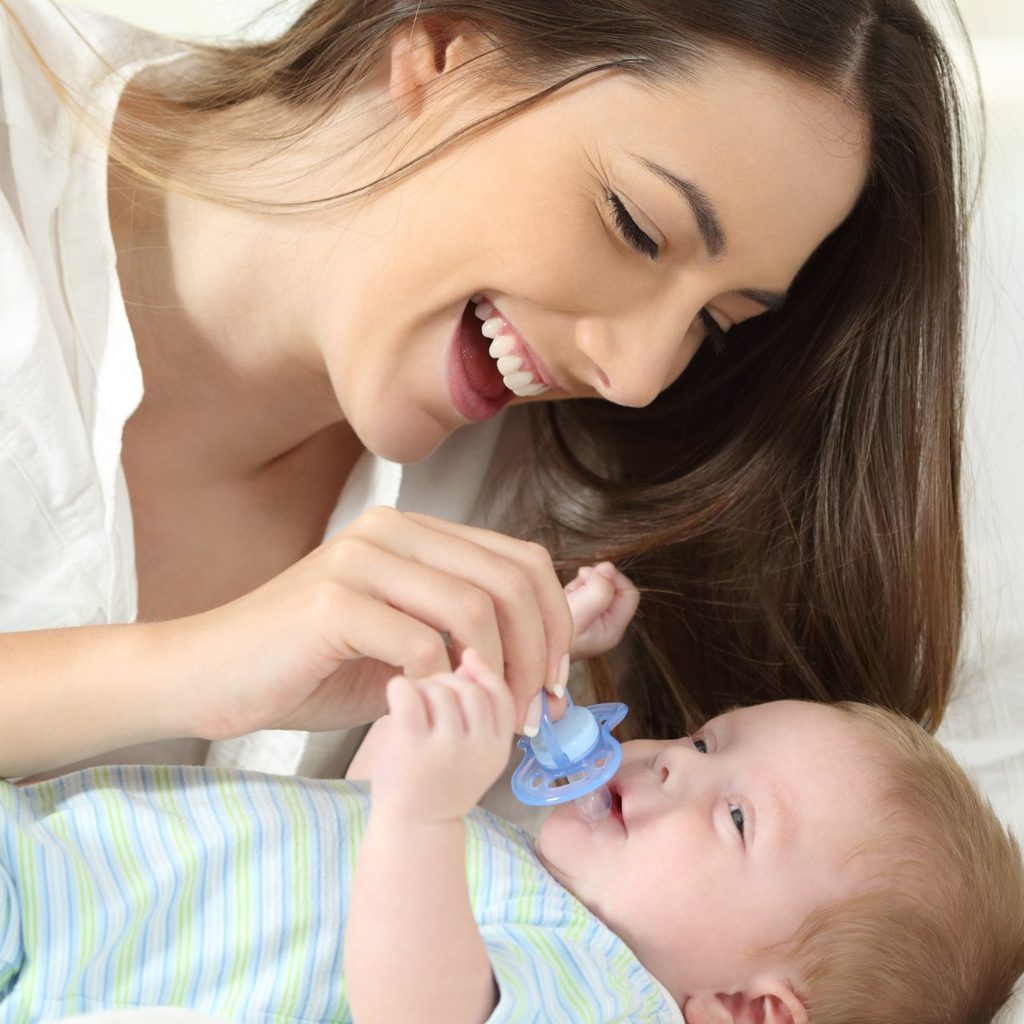
Babies are born with an instinct to suck. Experts agree that with a pacifier, you can help soothe your little one and even reduce the risk of SIDS. The controversy arises when children become attached to their pacifier and don’t want to let it go. Avoiding this emotional bond is easy when you start taking your child’s binky away at the right moment. With gentle reassurance and good timing, you can wean your baby off pacifiers easily — even if they’re already attached. Here’s a step-by-step guide to help you avoid the feared binky battles.
First window of opportunity to break the binky habit
Age is the determining factor in breaking the binky habit without any troubles. If you’re looking for the easiest time frame to wean your baby from the pacifier, the magic time is between 4 and 6 months. At this age, your little one hasn’t developed an emotional attachment to their binky and will let go of it without complaints.
Here are some tips to gradually take the pacifier out of the picture during these months:
- Let your baby use the pacifier until they’re almost asleep.
- Right before they’re completely out, use your pinky to remove the pacifier slowly.
- Continue to rock them to sleep without popping the binky back in.
- If your baby starts to wake up too much, put the pacifier back in their mouth and try to remove it again in a few minutes.
- As baby gets used to sleeping without the pacifier, you can begin to scale back the use of it.
When not to take away the pacifier
If you didn’t know or weren’t ready to take away the pacifier before your baby was 6 months old, weaning when they’re older can be traumatic to your little one. Between 6 months and 2 1/2 years of age, children begin to fear separation. If the binky is your child’s comfort item, weaning them at this age is not recommended.
Second opportunity to say bye to the binky
Experts agree that children should wean off their pacifier between 2 and 4 years of age. This helps avoid dental problems and teaches your child to calm themselves. If your toddler hasn’t tossed the binky on their own, they may need a little help from you.
Here’s how you can help them say goodbye to the binky and hello to being a big kid:
Encourage an alternative: If the pacifier helps relieve your child’s stress, you can introduce a replacement that won’t harm their teeth. Many toddlers transfer their attachment to a lovey to help soothe themselves during the daytime. These small blankets or stuffed animals can offer your toddler a sense of security during the day.
Just make sure your child’s lovey doesn’t have any small parts that could represent a choking hazard. Avoid taking this lovey into your child’s crib or toddler bed because they can increase the risk of suffocation.
Limit the binky: Cut back on the use of the binky for naps and nighttime. If your child needs their pacifier to sleep, using it in bed can encourage sleep while still helping them wean off the habit during the day.
Take it slow: Many children don’t accept the lovey right away. If your child needs a more gradual approach, establish a schedule that includes pacifier-free time. This lets your toddler know what to expect and encourages good behavior.
Praise goes a long way: Don’t hold back on complimenting your child as they let go of the pacifier. Toddlers want to please their parents. Charts, parties, and stickers are a great way to motivate young children. They’ll feel so proud of themselves that before you know it, the binky will be gone.
Talk about it: Young children are easier to persuade when you take the time to explain what’s going on. Otherwise, they feel like something is taken away from them and don’t even know why. If your child understands why it’s time to let go of their binky, they’re more likely to cooperate.
Expect regressions: Letting go of the binky is not always straightforward. Some toddlers may start well but miss their pacifier when they realize it’s not temporary. If your little one falls off the wagon, offer your support and encouragement. Be patient and remember it’s as easy as trying again.

With love and thoughtfulness, you can help your baby enjoy the soothing benefits of a pacifier and wean them off when the time is right. Whether you do it when they’re very young or wait until the toddler years, the key is to be patient and supportive every stage of the way. Remember, the binky helps your child feel relaxed, while letting it go of it feels stressful. With extra comfort from you, it doesn’t have to be a traumatic experience. Instead, saying goodbye to the binky can be a confidence-booster for your child and for you as a new parent.