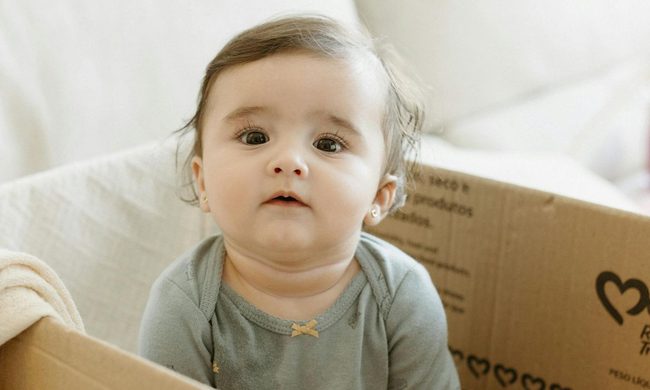
From seasonal allergies to the common cold or the flu, you have plenty of concerns when your baby has a runny nose. Some underlying factors that cause a runny nose turn out to be easily explained and treated. Others might signal something more concerning, especially if your child has a fever. In the meantime, you also wonder how to stop a baby’s runny nose. Should you try to find an over-the-counter medicine? Are there any alternative treatments for very young infants that don’t involve medication? Read on to find out more about this situation, how to give your child some relief, and when to call the doctor.
Why does your baby have a runny nose?
According to a study published by the American Academy of Pediatrics, a baby’s runny nose sometimes correlates with teething, specifically once the tooth erupts. This is the body’s inflammatory response to the disruption of the gums. Therefore, if you notice that your baby is fussy, irritable, and drools more often than usual — along with a loss of appetite and a runny nose — more than likely, he or she has just cut a tooth. You might notice that your child has a low-grade fever that accompanies these symptoms. While you should closely monitor his or her temperature, you might not need to worry as long as the fever doesn’t increase. This is just a natural reaction (for some, not all babies) to the irritation in the mouth.
The other theory behind the runny nose involves seasonal allergies or a minor allergic reaction to something in your home or yard, like pets or dust. However, according to Dr. William Collins, a pediatric ear, nose, and throat specialist, if you notice a small amount of clear drainage, then this is a natural reaction to any particles that enter the nasal cavity. He emphasizes that this daily occurrence is quite normal.
On the other hand, if your baby wakes up with itchy eyes and a runny nose, then dust mites might be causing this issue. However, seasonal allergies to ragweed, grass, or pollen are extremely rare for babies, since they don’t spend a lot of time outdoors. These types of allergies often manifest at the age of two or whenever the child starts playing outside more often.
And of course, if your baby has a fever along with a continuous runny nose where the mucus is a bright yellow or green for 10 days or more and/or it’s accompanied by a cough, then you’re looking at the possibility of a cold or some other infection.
How do you stop a baby’s runny nose?
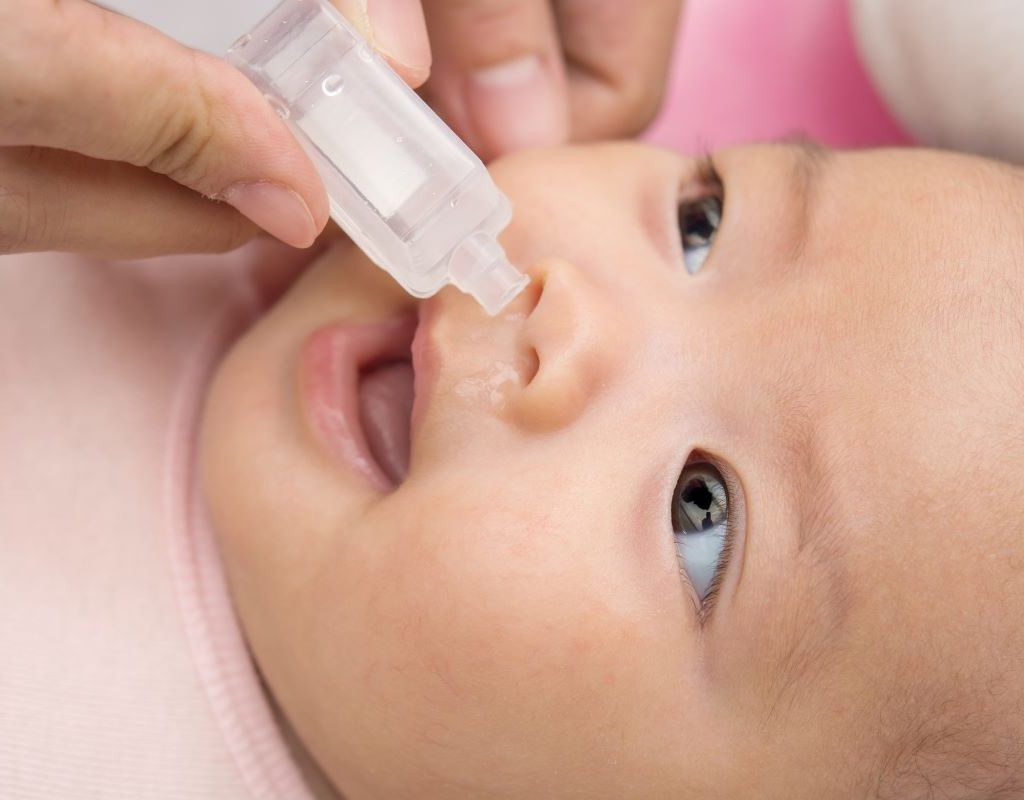
For very young infants, fortunately, you can try some alternatives to cold and allergy medication. For starters, you can use a bulb syringe to clear up your baby’s nose, but you’ll need to remember to release the bulb gently when sucking out the mucus. In addition to the bulb, you can also apply saline drops, which help to loosen the mucus and promote easy extraction.
You can also try a device like the Nose Frida, which allows you to keep the aspirator inside the baby’s nose while removing the mucus.
In addition to these measures, you can gently use a soft cloth or tissue to wipe your baby’s nose. If you see redness around the nasal area, try applying a thin layer of petroleum jelly around your baby’s nostrils to protect against chafing.

When should you worry about your baby’s runny nose?
As mentioned, you might keep an eye on the color and texture of the mucus. If your baby’s nose runs clear but gradually turns from white to yellow or green, this could be a sign of a viral infection. In this case, you can give medication to keep the fever down and use the home remedies that were previously mentioned. If your baby’s running nose coincides with a fever, cough and/or raspy breathing, and pulling on the ear, you’ll need to contact your doctor who can then prescribe an infant’s dosage of an antibiotic if necessary. Your pediatrician might need to swab your baby’s throat to check for a bacterial infection and check the ears for redness.
Luckily, your baby’s immune system will build up as he or she gets older. While a cold seems alarming and your child may be miserable, the runny nose should come to a stop after a few days. In the meantime, you’ve seen how to stop a baby’s runny nose safely and effectively. Soon enough, your child will be fuss-free and feeling much better. And of course, if any concerns arise, you should contact your pediatrician or visit an urgent care clinic.