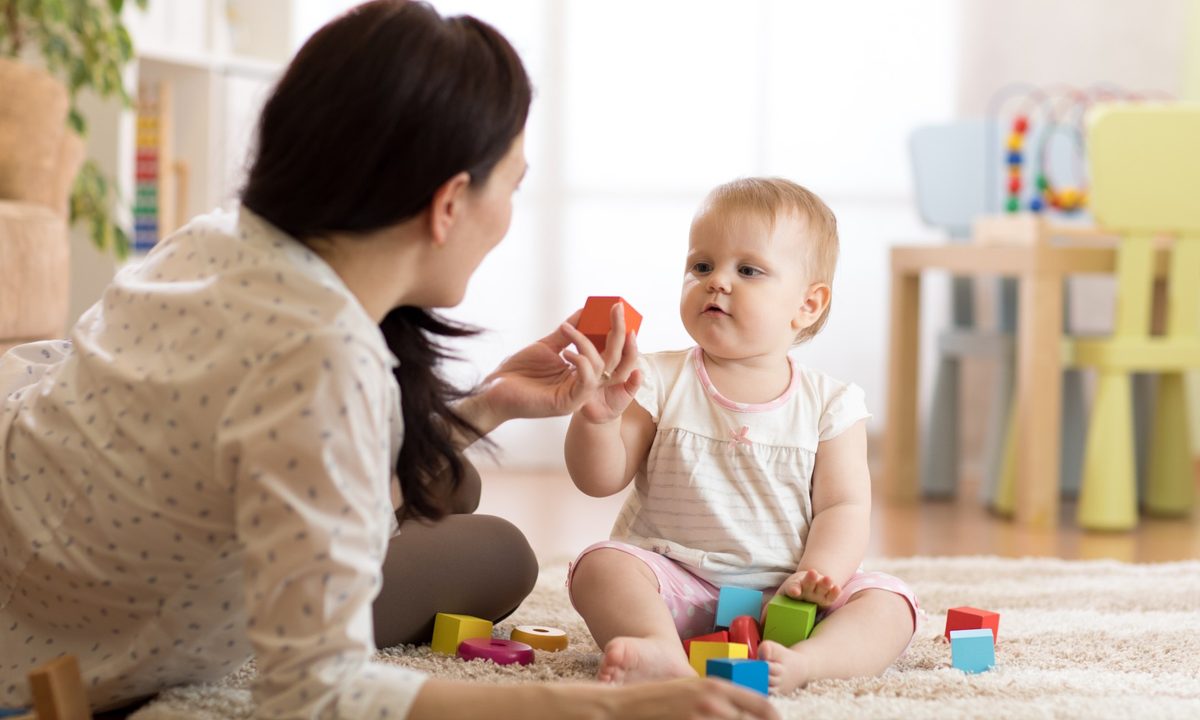
When you’re a new parent, the moment someone gifts your child their first set of blocks, you become obsessed with baby learning and when they should be able to turn the blocks into beautiful creations of their imagination. While stacking blocks are an important developmental milestone for babies, it’s also one of those things that evolves with time and practice. Sitting down to play blocks with your little one is an open-ended game that teaches children physics, resilience, and fun. When can a baby stack blocks and nest cups on their own without your help? Here are some general guidelines so you know how to measure your child’s development with their gift of stacking blocks and how to help your child get the hang of it on their own.
When can a baby stack blocks and nest cups? By age
By 6 months old
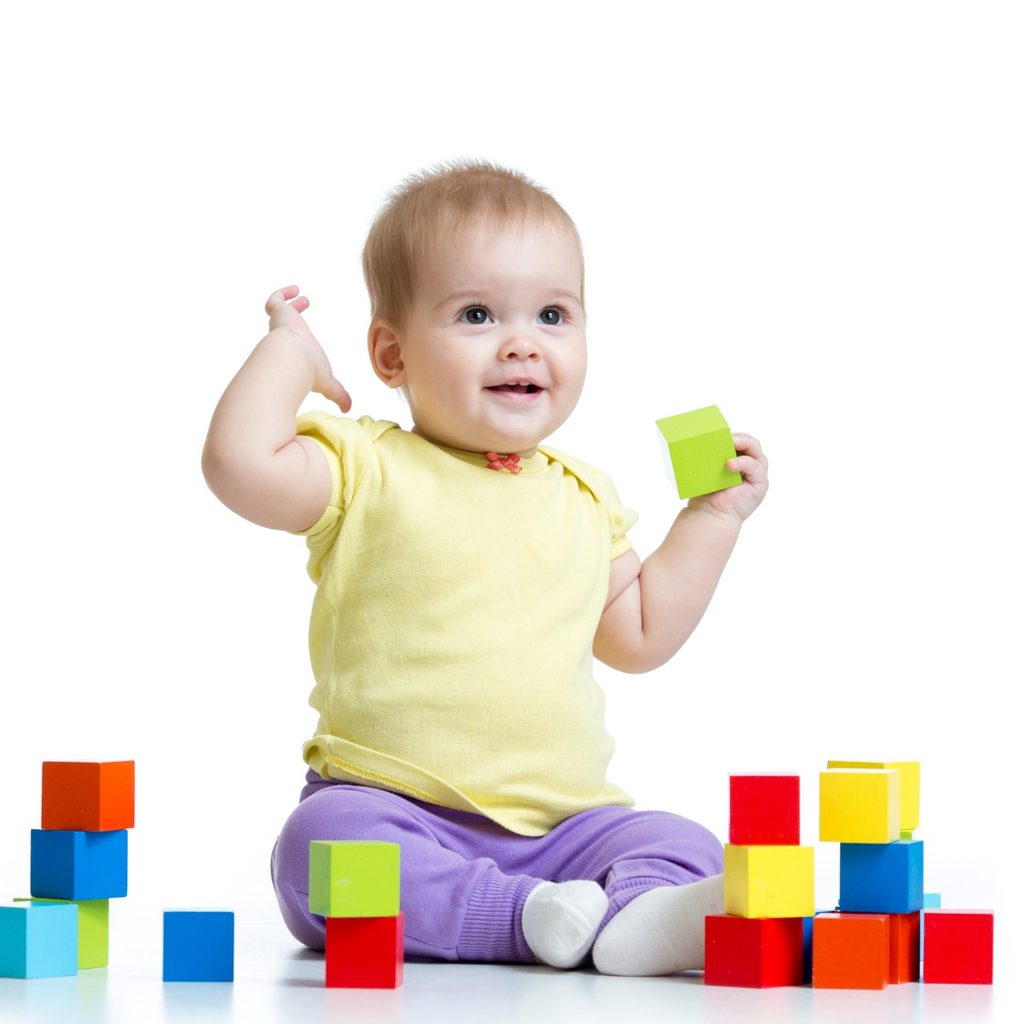
At this age, your baby might not be ready to stack blocks the way you want them to, and that’s okay. This doesn’t mean you can’t play blocks with your child or that you shouldn’t let your child have fun figuring out what the blocks are. It’s perfectly normal for your 6-month-old to gnaw on blocks or simply hold one, just don’t expect them to build the Eiffel Tower just yet.
By 12 months old
This is the stage of banging items against each other and blocks or cups are no the exception. If you offer your child blocks, there may still not be a lot of creativity yet. But keep in mind that knocking things down is a favorite activity of 1-year-olds, so your child is right on track if that’s all they do. More likely than not, they’ll be happy to destroy any block tower you build. If your little one can’t get enough of knocking down a stack of blocks, rest assured that they’re right on schedule.
By 18 months old
When can babies nest cups? By a year and a half, stacking is the name of the game. After all, your little one is now officially a toddler and proud of it. If you haven’t done so already, this is a great time to introduce baby blocks. At this point, most kiddos are able to stack two or three blocks on top of each other with ease.
By 2 years old
Don’t be surprised if your baby’s block masterpieces start to get taller by age 2. With improved coordination, your child shows better stacking skills and may be able to balance up to seven blocks on top of each other. This is the beginning of sorting for many young children. If they’re now stacking masters, go ahead and challenge your budding genius to sort their blocks by color or separate them in groups.
By 3 years old
Free play takes a life of its own by age 3. At this point, blocks are much more than meets the adult eye. Your child’s imagination is flourishing, and they’ll start to build tunnels, bridges, or forts with just a few blocks. This is the perfect moment to introduce your toddler to teamwork. If the two of you work together, it’s easier to build tall towers and solve construction problems. Get your child’s imagination to full speed and see what they create with blocks of all colors and shapes.
The benefits of stacking blocks
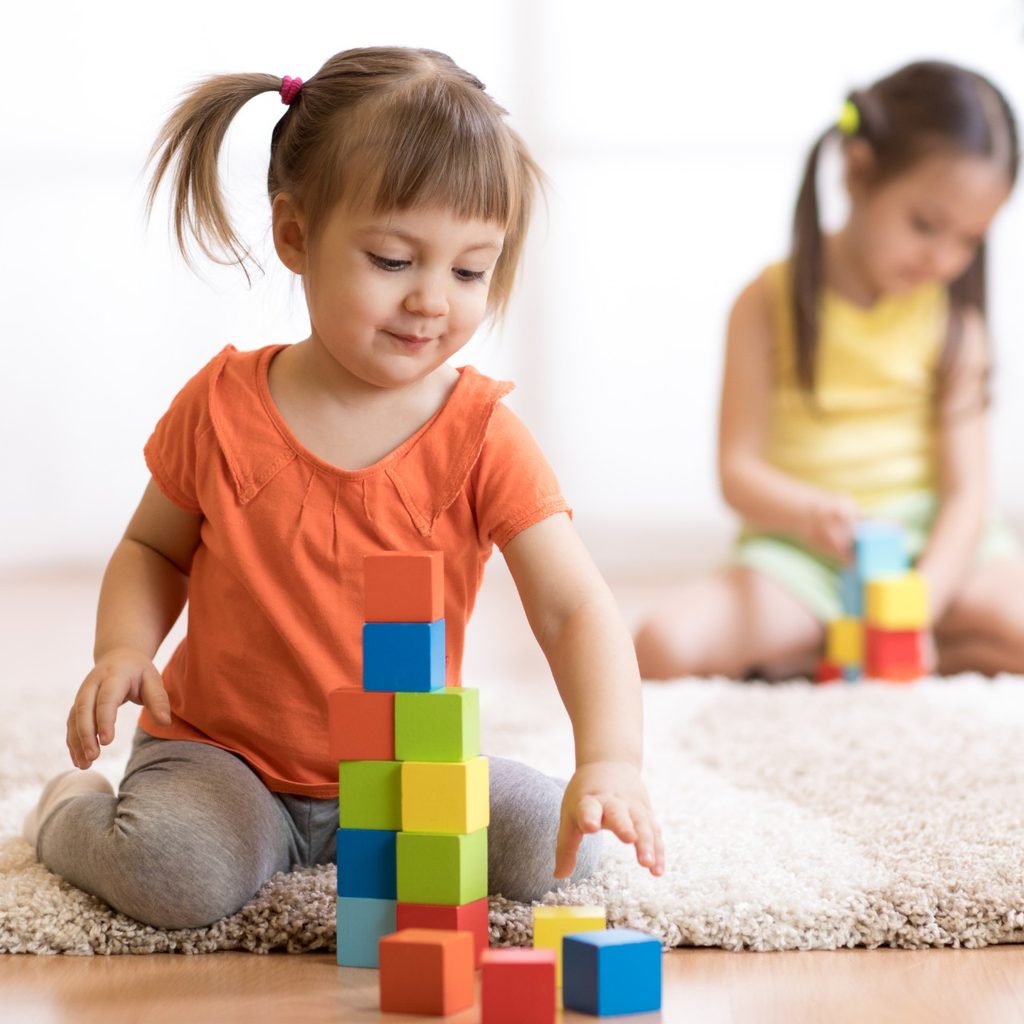
Blocks might be simple for adults, but they open up a new universe for your child. Where most adults see a square shape, children see a world of possibilities. These exploratory toys are only the beginning of more complex tasks that your child will face later on in life. There are a few benefits children get from stacking blocks and nesting cups, and all of them provide beneficial development for kids.
- Hand-eye coordination
- Pincer grasp
- Fine motor skills
- Cognitive development
The evolution of block play
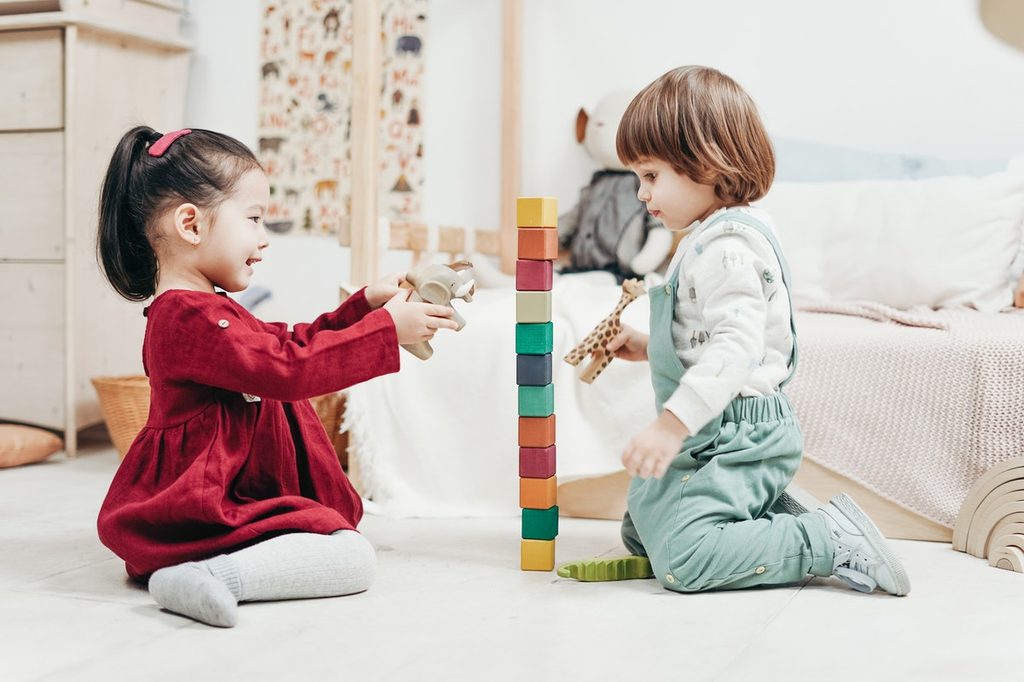
There’s no need to stop playing with blocks once your child reaches age 3. In fact, this is when the fun is just starting. As their name implies, these cubes are the building blocks of math, science, and speech. If you’re looking for ways to take block play to the next level, there are some ideas to turn this classic game into imaginative play.
Give your child options
As they get older, it’s normal if basic stacking blocks gets old. But if you incorporate different shapes and build out a whole town, the games take on a new level. And when vertical construction gets old, line the blocks up to see how far they can go.
Speed stack
As your child’s movements become more controlled, they’ll be able to stack more blocks in a shorter amount of time. Without turning it into a stressful situation, see how quickly your little one can stack blocks and encourage them to do it even faster. Have a race with them and see how fast they can go.
Nesting cups
When blocks are no longer a challenge, give nesting cups a shot. These hollow shapes bring a whole new element to the game once your child understands that they can be stored inside each other. Figuring out sizes and placing them in order will fascinate your baby.
What to do when your child outgrows nesting cups and blocks
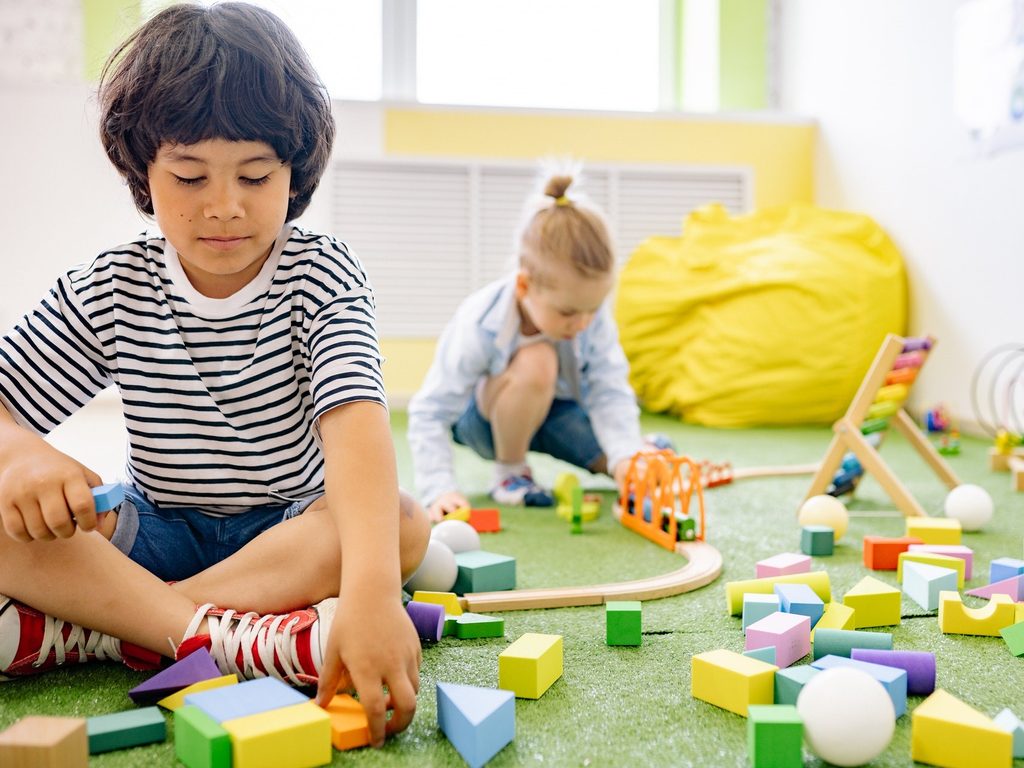
As with all toys, your child will outgrow nesting cups and blocks. So, what do you do with them then? Before you give them away, think of what else your child could do with these educational toys. You could give your child LEGO-like challenges and have them try to build a picture or design given. You can find options online or just pull up pictures of what your child likes and see if they can copy it.
As your child gets older, coming up with harder and more intricate patterns for your kid to copy. You could even do a Simon sort of memory game where you show them a pattern of cups and blocks and they have to recreate it from memory. You could even start to get really competitive and see who can build the tallest tower between you and your child. Another fun option would be to see who could use the most blocks in a design or pattern between you.
Just because your child turns three or seems to be too old to play with blocks or nesting cups doesn’t mean it’s time to donate them. You just have to find more creative ways to use them and repurpose them. As your child gets older, what they come up with may surprise you.
There’s a reason classic toys never go out of style, and building blocks are no exception. These essentials of playtime are more important to your child’s development than you might think. Their creative and STEM potential is important to your little one’s physical and cognitive growth. While these toys are not a scientific measurement of progress, these play starters are a fun way to teach your child useful skills and complex tasks they’ll use throughout their life.