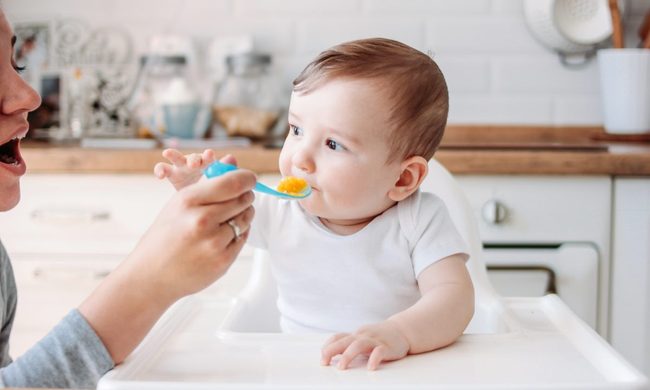
When it comes to eating during pregnancy, moms set the bar high by taking excellent care of themselves and eating healthy foods to aid their growing babies’ minds and bodies. Each mom is given a list of foods early on in their pregnancy journey by the OBGYNs office. It will detail the foods to avoid during pregnancy and why. These foods should be avoided mostly due to harmful ingredients, such as caffeine found in coffee-based food and drink.
But what about foods you wouldn’t normally think were dangerous to pregnant women? What else could potentially cause problems to babies while in utero, or harm the mothers that carry them? What can pregnant women drink? Here’s an overview of food and drinks to avoid, what makes them dangerous, and suggestions for safe and healthy alternatives for moms to try.
Foods to avoid during pregnancy
While carrying their child in utero, moms may choose to seek out highly nutritious and nutrient-stacked foods to add extra minerals and vitamins to their baby’s growing body. However, there are many otherwise healthy foods that are just not something pregnant moms may want to risk eating, out of an abundance of caution for their precious cargo.
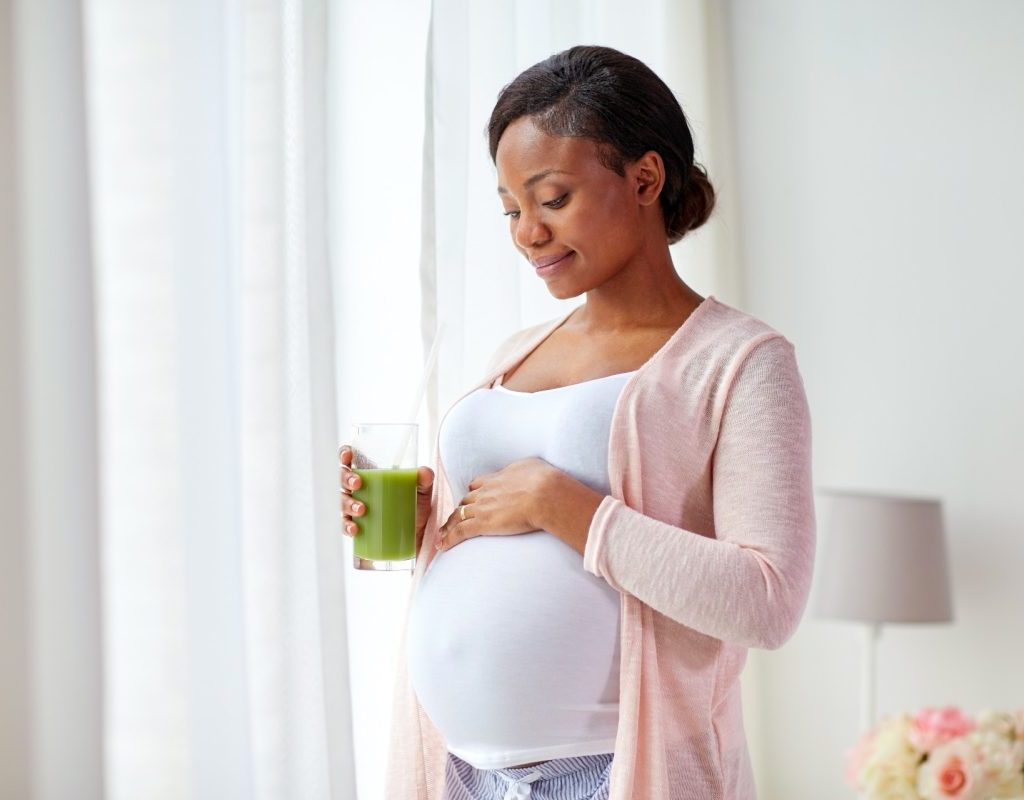
- Freshly-squeezed juices – While the idea of freshly-squeezed orange juice from your favorite juice bar, restaurant or food truck sounds like a major source of Vitamin C for you and your unborn baby, ill-prepped cooking stations, unwashed produce and cross-contamination can put both of you at risk for bacterial infections such as salmonella. For pregnant moms, safely pasteurized juices can be a healthier alternative while carrying a growing little one.
- Fish high in mercury – While this may seem like a risk from yesteryear, fish containing higher levels of mercury are still prepared and served in restaurants, even in the present day. Fish of this category include swordfish, shark, tilefish and king mackerel. Additionally, canned packed tuna has also been noted to contain elevated levels of mercury. Mercury exposure in the womb has been associated with delayed brain development and permanent brain damage. Fully cooked white fishes and salmon can be excellent sources of nutrients.
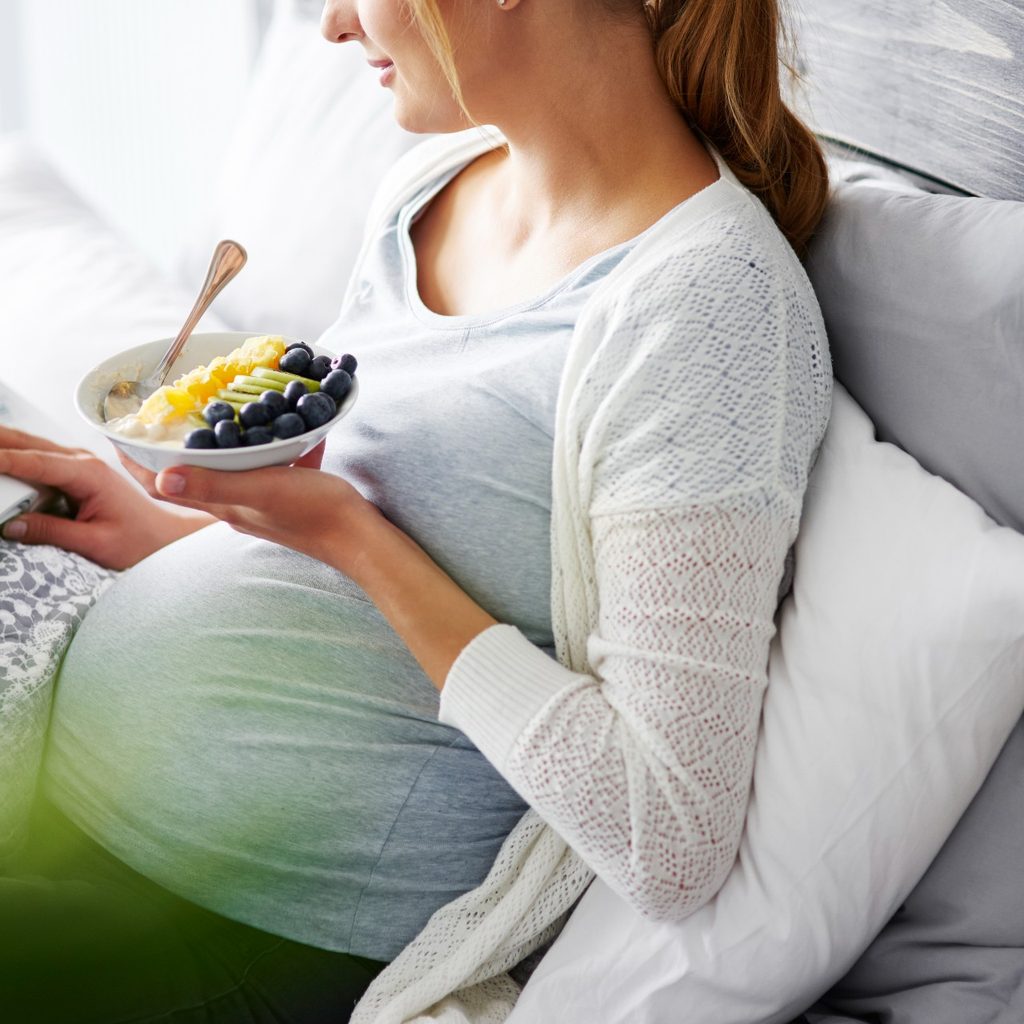
- Unripe papaya – Unripe – or green – papaya has been found to contain a latex substance that can act as a labor-inducing hormone much like oxytocin, which can cause uterine contractions. It’s for this reason, avoiding this fruit is paramount while pregnant.
- Trans fats – Though trans fats have been under scrutiny since the mid-2000s, questions and concerns began to arise about it in the 1990s, and its effects on humans. Trans fats can increase “bad” LDL cholesterol levels and decrease “good” HDL cholesterol. By altering these levels, trans fats can also lead to higher rates of endometriosis and infertility. Avoiding foods with trans fats is best while pregnant, which can include premade pancake mixes, hydrogenated – and partially hydrogenated – oils, non-dairy creamers and margarine. Utilizing pasteurized milk-based creamers, oat or almond milk substitutes, non-hydrogenated oils and real butter can help moms avoid over-exposure to trans fats.
- Raw, unwashed produce – Produce found in your local grocery store has often traveled a great distance before arriving there, even from other countries beyond our borders. These fruits, vegetables and herbs have been specifically grown for their ability to ship well. However, they have also often been treated with fertilizers and pesticides, as well as encountered certain bacteria in their travels. It is for this reason, pregnant women are urged to wash all products thoroughly to remove any contaminants and protect their unborn. This warning also includes microgreens, sprouts and root vegetables.
When it comes to what pregnant women can drink, caffeine should be avoided at all costs, as it’s a stimulant. It might be tough at first to kick your morning cup o’ Joe to the curb, but to keep baby safe, stick to hot water with lemon or a caffeine-free herbal tea.
It is always best to heed the advice of your own personal OBGYN prior to changing up your diet. Your physician will know and understand your body and its needs. Please discuss any dietary changes you may be considering with your doctor first. Additionally, your OBGYN may have supplemental insight and information pertaining to your and your baby’s specific needs. Every pregnant mom is looking out for their unborn child’s best interest, and that starts with what foods they place into their bodies, adding nutrients to assist in the growth and development of a healthy and happy baby.