

In addition to being exciting and amazing, being a first-time mom can sometimes feel overwhelming and scary – as taboo as some may think that is. Although many think that pregnancy and how to handle it will come naturally for most, that couldn’t be further from the truth. Despite all the uncertainties, carrying your first child, getting to experience all those “first” moments, and discovering and nurturing the growing bond between you and your unborn baby is something no other person could understand unless you have lived it.
Taking a test and confirming pregnancy is merely the first step into parenthood, and doing it for the very first time is understandably nerve-wracking. To help ease the worry and overthinking, we’ve built a “new mom survival guide” of practical and realistic first-time pregnancy tips to help get new moms through their worry and fear of carrying their little ones.

Rest your eyes
Growing a baby is hard. Being responsible for every little part of the development process of your baby’s body and mind is exhausting. The physical strains of carrying around another human being inside of you can become a great burden, especially as moms move through their trimesters of pregnancy with a growing belly and extra weight. Pregnant moms must receive adequate rest, which can and should include naps throughout the day. Postpartum sleep can often be at a premium. It takes time to construct a good routine for both yourself and your baby, so get as much rest as you can to help you have a healthy pregnancy and adjust to life as a new mom.

High quality H2O
Staying hydrated can be hard to do on the best of days, let alone while carrying another human being around inside of you. It is vital that moms drink lots of water. Not only does your body need it to help your baby grow and develop, but water also helps your body stay healthy as well. Pregnant moms are at higher risk for exhaustion, heat strokes, and dehydration, so keeping a tumbler or water bottle handy at all times is paramount.
Have a birthing plan
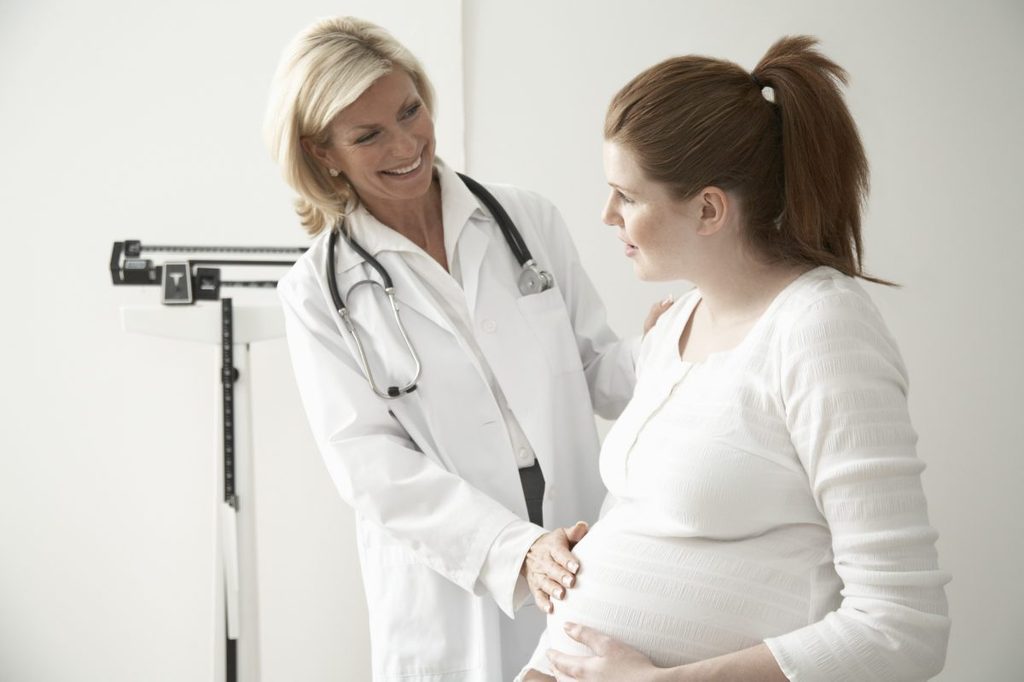
Having a birthing plan is vital for expecting moms. Not only does this plan help prepare you for the arrival of your little bundle of joy, but it also helps galvanize your team to help follow a set of instructions for the best and most personalized birth possible. Not into medication-based pain management? That’s perfectly fine, as this is YOUR birthing plan after all. Take the time to map out your wants and needs for a successful birth, making your wishes clear and setting the pace for a clear and calm celebration.

Exercise regularly
We all know that regular exercise is important for health in general, but when it comes to pregnancy exercise can not only make you healthier but feel better too. Pregnancy can take its toll on a person’s body, and regular exercise can help ease those aches and pains that often come with a growing belly. Regular exercise can also help with mood swings and irritability thanks to surging hormones. Low-impact exercises, like walking, yoga, and swimming are a great way to help your body prepare for the rigors of childbirth while relieving stress.

Whatever you do, don’t Google it
It sounds like an easy concept, however, when you’re ailing from everything from morning sickness to constipation, to endless trips to the restroom and heartburn like no other, Googling your symptoms and trying to pinpoint due dates or medical diagnoses isn’t recommended. Not only will this cause unnecessary stress to you and your baby, but it can also weigh heavily on a pregnant mom’s mental health. Growing a human is hard enough. Leave the diagnosis to the doctors, and leave the Google searches to nursery themes and homemade baby food recipes.

Don’t keep it all locked away
Now more than ever, there are options and resources for new moms suffering from postpartum mental health issues – whether they be first-timers or veterans. While postpartum depression and other post-birth mental health issues occur after the birthing process, having a plan in place to discuss these issues with a doctor or counselor is a major step in preparing for your little one’s arrival. This is also a more helpful plan the sooner it is put into action. The stigmas and speculations around postpartum mental health treatments are being brought down with open discussion and awareness being more public and openly talked about.
Being a new mom can feel like an immense amount of pressure and sacrifice, and many new mothers feel these feelings often. It doesn’t make you selfish or unfit. It makes you human. The best way to prepare for the birth of a new member of your family is to be as prepared for and versed in the tools of the trade as possible. It’s easy to feel inadequate and ill-prepared, which is why we feel it’s important to share these tips with all new moms, and first-timers especially. Having plans, knowing what to expect, talking to your doctors, and having a strong support team who are informed and prepped for the kind of birth you want to experience are just tips of the information iceberg when it comes to parenthood. We hope this advice will help you prepare for the joys and caveats of parenting.