
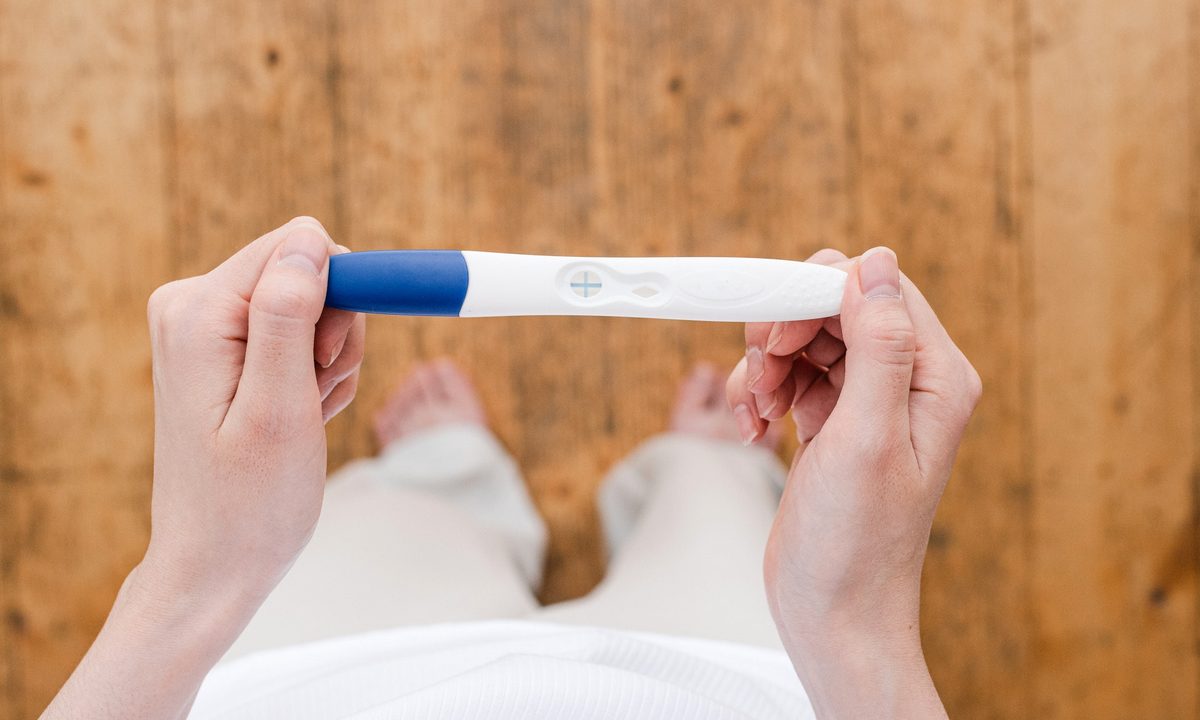
The first trimester of pregnancy is one of the most exciting times in a person’s life, especially if this is their first pregnancy. It’s also a bit confusing and sometimes uncomfortable, especially as the expectant parent is left wondering if all the new feelings they’re experiencing are something to worry about. We haven’t even touched on things like morning sickness and cravings. If you’re newly pregnant and curious if everything you’ve been experiencing is normal or not, we have the good, bad, and OMG of the first trimester.
What is the first trimester?

The first trimester begins on the last day of your period and continues until the 13th week of pregnancy. You may not even realize you’re pregnant until well into your first trimester when symptoms become obvious, especially if you have a history of abnormal menstrual cycles.
During the first trimester, your baby develops rapidly, from a bundle of cells to having arms, legs, and even tiny little toes. The brain and spinal cord develop, as well as the circulatory and digestive systems. By the end of your first trimester, your baby is around three inches long and weighs about an ounce.
First trimester: The good

Lots of good things are happening both internally and externally. Your body is prepping for the long haul and you may notice your breast size increase as mammary tissue develops and your hips may gain a little extra curve as your body adds fat to fuel the enormous task ahead. There’s a chance your skin will clear up and develop that tell-tale pregnancy glow and your hair and nails will likely grow thicker, longer, and stronger.
During the first trimester, you will also have the opportunity to see your growing baby for the first time. At your first prenatal doctor’s appointment, you will most likely have an ultrasound to confirm that you are indeed pregnant and to make sure everything is developing normally. While it won’t look much like a baby on the screen, your ultrasound tech should be able to point out any vital parts and also let you listen to your baby’s heartbeat on a fetal Doppler.
First trimester: The bad

For many women, the first trimester isn’t all butterflies and rainbows, however. The flood of hormones your body puts out to nurture your baby can wreak havoc on your body. Morning sickness (which can really happen any time during the day or night), fatigue, heartburn, and constipation are just a few of the maladies that some people experience during those first 13 weeks.
The first trimester is also when the risk of miscarriage is the highest. Some bleeding or spotting is perfectly normal within the first 13 weeks, but if it’s accompanied by clots or cramping, you should see your healthcare provider immediately.
First trimester: The OMG

With all these changes you can expect some weird stuff to happen during the first trimester as well. Those hormones that are working hard to make a safe environment for your developing baby can increase your need to urinate and increase your body temperature so that you feel warmer than usual. Hormones also cause your digestive system to slow down a bit, which can cause constipation and larger-than-normal bowel movements.
Hormones during early pregnancy can make your hair longer and thicker but can also cause hair to grow in places it normally doesn’t. Finding a rogue stray hair on your face, chin, chest, or breasts is common during pregnancy, so don’t be surprised if you need to pluck more frequently during your first trimester.
And because more your blood is being shunted to your uterus, you might experience dizzy spells or lightheadedness.
What else do you need to know?

Your body is going to experience a lot of changes during the first trimester, some that may be more comfortable than others. In addition to the symptoms we’ve outlined above, you may also start to have breast tenderness, mood swings, the need to pee all the time, headaches, heartburn, and extreme fatigue.
This may also be the time when you develop an aversion to certain foods or find yourself with uncommon or unusual cravings. Every pregnancy is different and you may experience some of these symptoms, all of them, or none at all. If you ever experience anything that makes you worried or concerned, don’t hesitate to reach out to your doctor for guidance.
There’s no denying that the first trimester is a time of major change for your body. Some of these changes are good, some of them aren’t so good, and some of them are just plain weird. The important thing is to listen to your body and pay attention to your instincts. If you’re concerned about any of the changes or if something just doesn’t feel right, contact your healthcare provider. Even if it’s perfectly normal, at least you’ll have peace of mind, which is important during pregnancy.