
One big part of your child’s development is learning how to communicate effectively. Your child may not have the skills to communicate any other way than yelling, so it’s part of your job to help them grow.
Yelling can be frustrating for you, but there are some things you can do to help gently correct this behavior without losing your mind. Here are some of the reasons behind the yelling or screaming behaviors in children and what to do about it overall.
Why is my child yelling?
Emotions are tough for children to process. They learn as babies that crying gets them what they want. That behavior is appropriate for babies, but children with communication capabilities may need help breaking those habits.
Children can also learn to mirror our own behaviors. If you find yourself yelling at your children often, even simply yelling to get their attention, they could be learning the behavior from you. Yelling isn’t effective for parents or children, but that anger is hard to control.
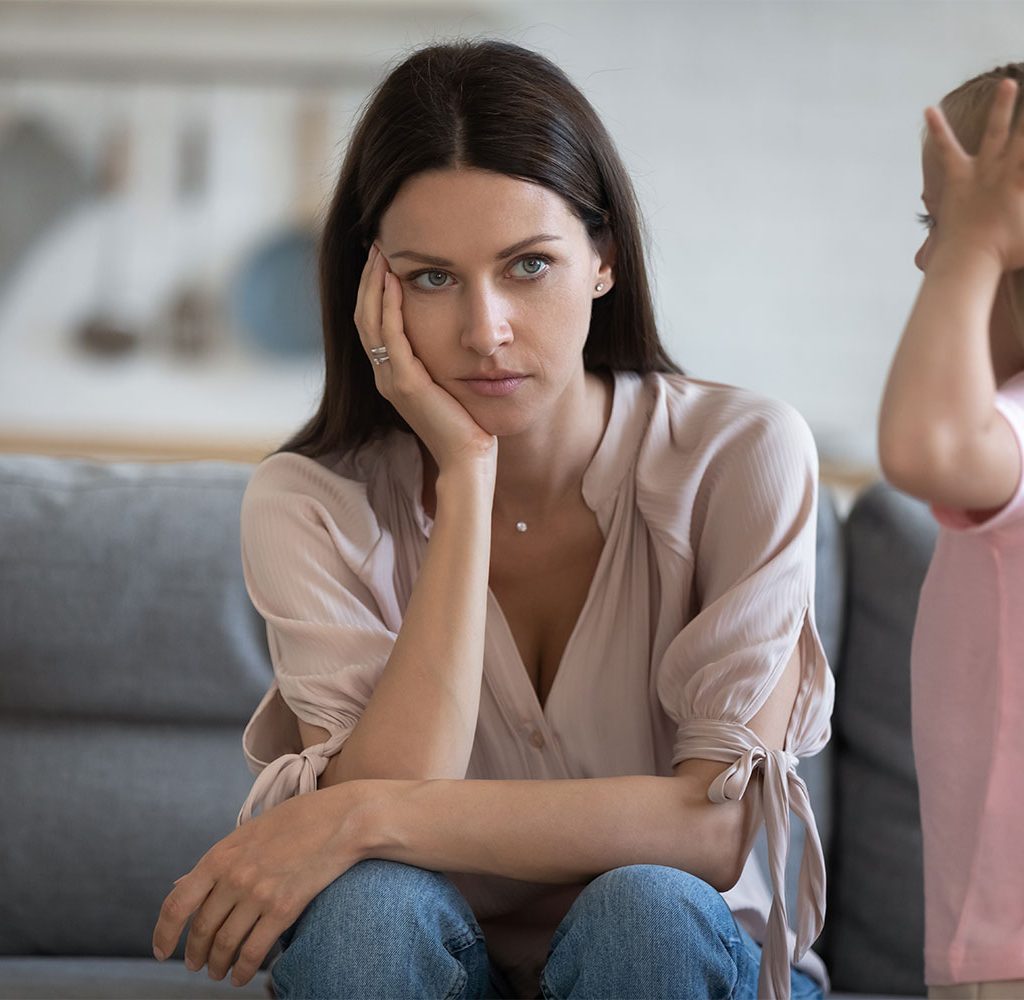
Children may be yelling for any number of reasons:
- They’re hungry and have few reserves to stay calm.
- They’re experiencing big emotions and don’t have the communication skills to identify them.
- They’re mirroring behavior they see from parents and siblings.
- Whatever the reason, there are things you can do to help reduce the chances that your child will continue yelling and give them different communication skills to create a more peaceful household.
Give kids warnings and updates
Sometimes yelling is a result of transitions. If your child is growing tired and it’s soon time for bed, begin a countdown so that children aren’t surprised by the transition. If your child isn’t fully aware of the clock yet, these transitions could be alarming and unexpected.
Begin with a suitable time frame, say 30 minutes before bedtime. Tell your child that it’s 30 minutes to bedtime so they understand what’s about to happen. Continue to count down by 10 minute- or five-minute increments and give your child the final warning just a few minutes before.
This won’t always save you from yelling, but it can help make transitions less unexpected. These could help stop the surprises from transitions and make communication more peaceful.
Take a time in
Time out can be helpful in some instances, but sometimes when you send your yelling child from the room, it tells them that they’ll never be heard. Instead, sit down with your child to take time in.
For a time in, you encourage your child to sit down, punch a pillow, or just pause before making any rash decisions. You can acknowledge your child’s feelings and ask them to identify what’s happening. You’re taking time away from the situation together, rather than sending the child away alone.
Create a list of alternatives
Sit down as a family to create a list of alternatives to yelling. You can work on this together, and each list will look a little different. The idea is to give your child safe, appropriate alternatives to yelling.
Some ideas could be:
- Doing five jumping jacks
- Taking five deep breath
- Singing a song
- Tossing a soft pillow across a room
- Brainstorm together about how you can blow off some of that angry energy and ensure that everyone is safely able to express those big emotions.
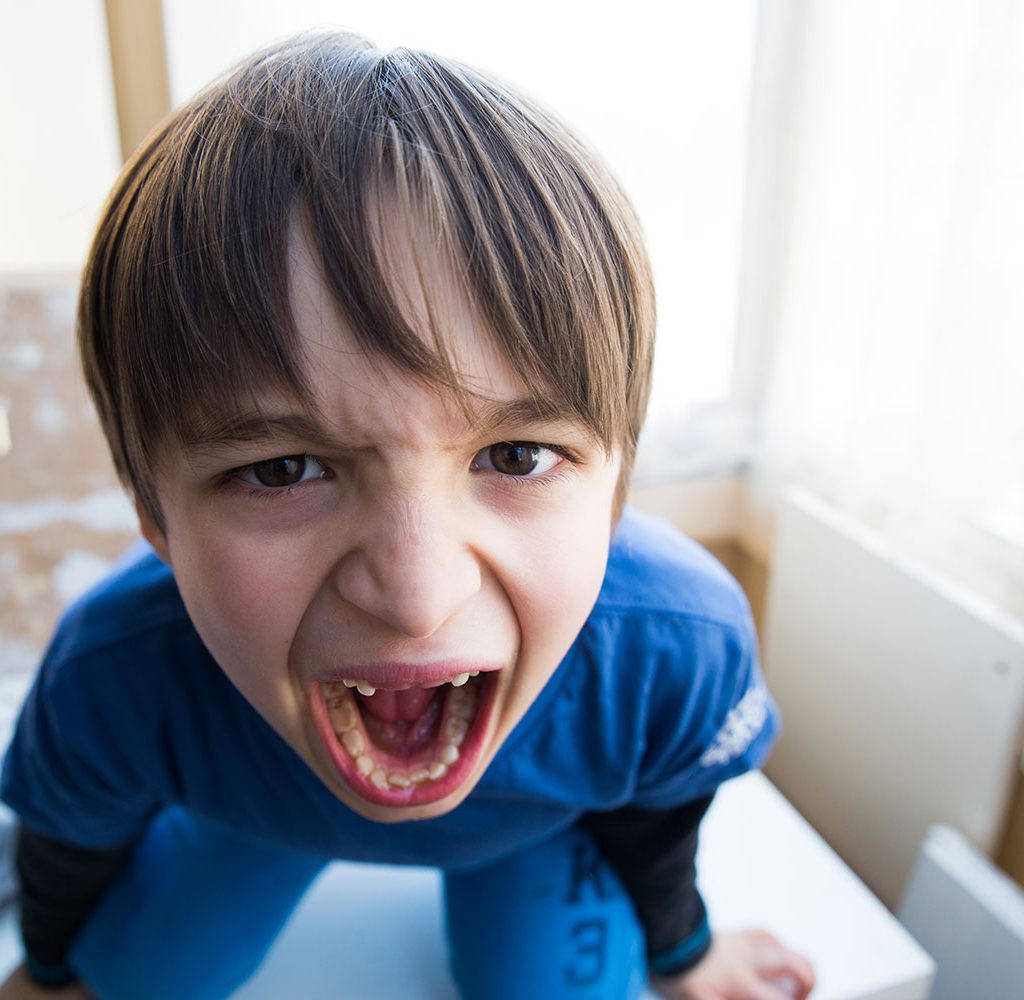
Model the behavior you want to see
If you want your children to stop yelling at you, you must be willing to stop yelling yourself. This includes all forms of it. Practice the strategies you need to keep your own yelling under control (including following some from your family alternatives list).
This is also the time to practice communication strategies such as active listening and not yelling to get attention. If you need your child, take the time to walk to where they are, and look them in the eye. Listen to them when they talk to find out how they’re feeling in the moment.
You can also be proactive about situations that cause you to yell. If morning is stressful, do everything you can to prepare the night before. If you know that bedtime is a trigger, build in a calming routine to help everyone through it.
Understand that some behaviors are normal
There’s nothing wrong with your child sometimes yelling in frustration from big emotions. If you feel like something is going on, talk to your pediatrician about your child’s behavior to receive insight into how to proceed.
With some patience and time, you can give your child the skills they need to communicate in more effective methods and may teach yourself better coping mechanisms to avoid yelling along the way. Peace is possible, and you really can take control of the atmosphere in your house. It’s all a matter of teaching new skills.