
Prunes act as a natural laxative. The fruit is often used when adults and kids have difficulty going to the bathroom. As a parent, constipation is a major source of concern especially when it comes to babies. When babies get constipated parents often feel helpless, not knowing what to do to provide relief.
If you need some help to move things along, you may want to try a homemade remedy like prune juice for babies. Prune juice is a natural solution that’s quick and easy to make at home. The important question to ask before heading to the blender though is prune juice safe for babies?

Signs of constipation in babies
Prune juice for babies is an option when little ones are constipated, but it’s a good idea to know what you’re dealing with before considering using prunes as a laxative for your kiddo. As an adult, it’s simple to recognize when you’re constipated, but what are the symptoms when a baby has difficulty pooping?
If you’re trying to figure out if your baby is having bowel movements regularly, here are the signs he or she may be constipated.
Hard stools
When you’re changing baby’s diaper after a poop, check to see if the end result is hard. Constipated babies often poop hard balls that look like pellets.
Fussiness
Little ones dealing with constipation are often cranky.
Straining
Parents can typically tell when their baby is pooping. So, if you notice your little one staining for over 10 minutes and are still not passing anything, the baby is probably constipated. Babies sometimes arch their back or lift their legs when struggling to poop.
Fewer bowel movements
By 3 to 6 weeks of age, breastfed babies often start pooping less. Bottle-feed babies typically poop at least once a day or sometimes every other day. As a parent, you know your baby’s poop schedule. If those poopy diapers seem to be slowing down, baby may be having constipation issues.

Is prune juice for babies safe?
Prune juice is a natural laxative, but is it okay to give a baby? Prune juice is considered safe for babies over the age of one. The natural sugar sorbitol in prunes is what acts as a laxative. That’s not where the health benefits of prunes end though. According to WebMD prunes are not only a good source of energy but also a good source of fiber. Prunes are high in vitamins like potassium, vitamin K, vitamin A, niacin, riboflavin, and vitamin B6.

Can you give a 3-month-old baby prune juice?
If prune juice for babies is fine once they’re one, what about when a younger baby like a 3-month-old is suffering from constipation? While some experts recommend that you don’t give your 3-month-old prune juice, others suggest it can be safe when given diluted in small amounts.
The bottom line when it comes to giving prune juice to babies under the age of 1, is to speak to your pediatrician first. Prune juice for babies is only safe when it’s used under the guidelines of your pediatrician. So, if you suspect constipation with your baby, call your doctor before making your own prune juice or using a store-bought brand.

Prune juice for babies
If you’ve spoken to your pediatrician and the doctor agrees that you can give your baby prune juice, you will most likely be given a serving amount as well. Healthline notes that “a good rule of thumb is one ounce of prune juice per month of life with a max daily dose of four ounces.” They also warn that you shouldn’t give babies prune juice more than two times a day.
The Children’s Hospital of Philadelphia (CHOP) writes that prune juice can be given safely to babies as long as parents follow some guidelines. CHOP recommends one ounce of prune juice in one ounce of water, one or two times a day for babies younger than 4 months as well as adding in high-fiber foods if your baby is between 4 months to 1 year. Once your baby starts solids you can introduce mashed or pureed prunes as well to help with bowel movements.
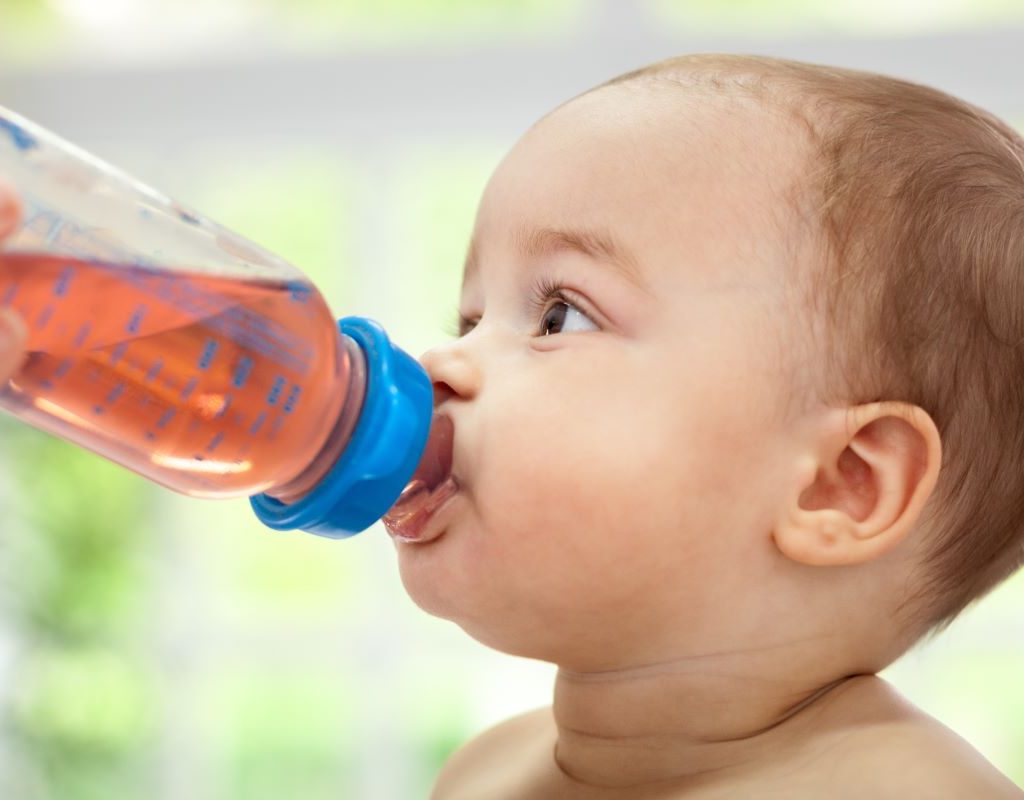
Why can’t babies have prune juice?
Generally, it’s not recommended to give babies any juice before their first birthday. This is why some experts suggest holding off on prune juice until your baby turns one. The American Academy of Pediatrics (AAP) says that babies under 6 months should only be fed formula or breast milk. This is why some experts warn against giving diluted prune juice to constipated babies unless you consult with your pediatrician. Better Health Channel advises that prune juice for babies under 6 months of age could actually irritate the bowel. So, it’s always best to consult a medical professional before adding prune juice to baby’s bottle.
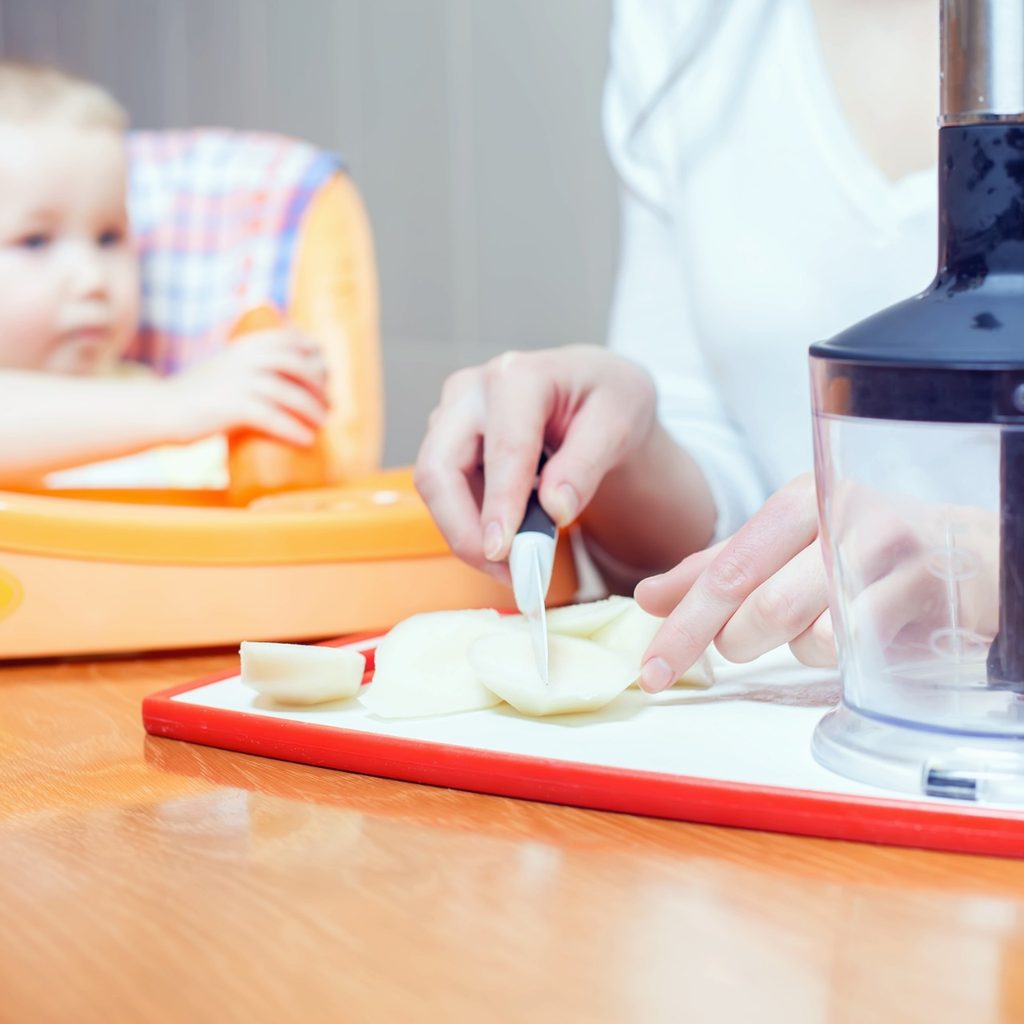
How to make prune juice for babies
If you’ve consulted your pediatrician and have been given the green light to give prune juice a try to easy baby’s constipation, you can actually make it yourself. Of course, you can buy prune juice at most grocery stores. Just make sure you get the pasteurized version. Healthline recommends buying pasteurized prune juice since the heating process kills any harmful bacteria. Prune juice for babies is pretty simple to make at home too. The home version is more cost-effective, especially only a small amount is needed.
Prune juice at home
To make prune juice at home, you only need two ingredients — prunes and water. You’ll also need a blender. Soaking your prunes for 12 to 24 hours in a bowl of water before you blend them makes it easier to extract the juice. The steps to making your own prune juice are simple.
- Soak prunes in water
- Blend along with a bit of water
- Break apart any clumps
- Strain
If your baby is eating solid foods, you can puree prunes to eat when constipated. GKFooddiary has a helpful YouTube video that takes you through the process of making prune juice and prune puree.
Prune juice has long been a home remedy for constipation in adults and the kiddos. When it comes to babies, prune juice can be a natural laxative, but only if your pediatrician says so. Many doctors don’t recommend babies under the age of one drinking juice. So, if you want to try prune juice to relieve your baby’s constipation, call your doctor first. Prune juice for babies is easy to make at home, just remember to ask your doctor before whipping some up in the blender.


