As if parents don’t have enough to worry about while raising one of the most independent creatures on the planet! Between inconsistent sleep schedules and wanting to jump off of the furniture like a superhero, there is a world of sicknesses and diseases to worry about your toddler catching. One virus to watch out for that can look an awful lot like a common cold is RSV or Respiratory Syncytial Virus.
Anyone, of any age, can catch RSV. While it’s most dangerous for infants under one year of age and the elderly, the majority of people who catch RSV are young children under the age of five. As of right now, there isn’t a vaccine for this respiratory virus. We’ll go over what you need to look out for in terms of signs of RSV in toddlers.

What are the first symptoms of RSV?
The first symptoms of RSV in toddlers can look a lot like a cold, the flu, or even COVID. There are a few tell-tale signs of RSV in toddlers to look out for.
The basic symptoms
- sore throat
- runny/stuffy nose
- cough
- headache
- fever
- not feeling well overall
- lack of appetite/not wanting to drink fluids
There are more serious symptoms of RSV to watch out for that would make you want to make a trip to the doctor.
More serious symptoms
- signs of dehydration (won’t take fluids at all)
- wheezing
- cough that gets worse/won’t go away
- fever after all other symptoms start to go away
- extremely high fever
And there are a few symptoms that will make you want to pack your kid up and take them to get help immediately.
Seek medical treatment symptoms if your child:
- is extremely drowsy
- has fingernails or lips with a blue color to them
- can’t breathe/is breathing way too fast

How do you treat RSV at home?
If your child is experiencing the regular, normal, don’t need to call the doctor yet symptoms, you can start treating RSV at home right away.
Make your toddler as comfortable as possible
Yes, you are usually your toddler’s personal assistant, but making a sick person comfy is always the first step in the recovery process. Get their favorite blanket or stuffed animal and put on that show that you hate watching for the 394th time but they love.
Push the fluids
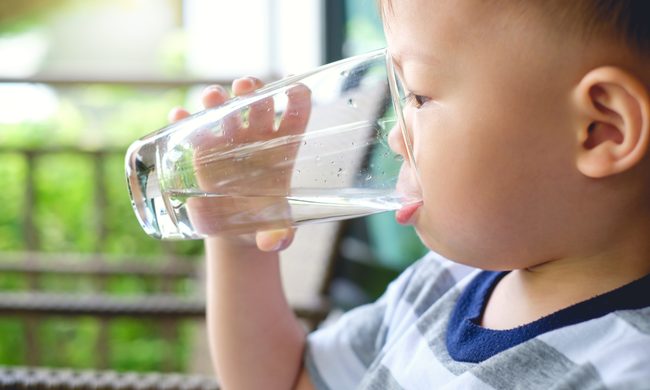
Since loss of appetite and dehydration are possibilities, you’ll want to make sure you offer liquids often. Even if your toddler is only taking a few ounces of liquid here and there, you are still getting it in.
Keep the nose clear
Little ones who don’t get the whole ‘blow your nose thing’ will have difficulty with this one, but if you don’t keep your toddler’s nose clear, they will have a harder time taking liquids, which will set recovery back.
Address the fever
As long as your child is at least one year old, you can treat the fever with any non-aspirin medication like ibuprofen. As with all viral illnesses in children, stay away from anything with aspirin to treat fever to avoid the possibility of Reye Syndrome.
How do doctors test toddlers for RSV?
If you want to know if your toddler has RSV, you can get them tested. It will all start with a physical exam and a discussion of symptoms. Your pediatrician will then do a nasal swab to test to see if your child does have RSV. If your child has trouble breathing, additional tests can be done like an oxygen saturation test or a chest x-ray, or both.
According to Andrea N. Jones, Assistant Professor in the Department of Pediatrics at the University of Wisconsin School of Medicine and Public Health and a board-certified general pediatrician, “most children recover without difficulty and because there is no treatment for RSV, these tests usually are not necessary.” If you want these tests done, you’ll probably have to ask for them specifically.
How long does RSV last in toddlers?
Watching your child suffer while sick is never fun for any length of time. According to the Cleveland Clinic, “it takes between two to eight days from the time a person is exposed to the RSV to show symptoms. Symptoms generally last three to seven days. Most children and adults recover fully in one to two weeks.”
But according to the National Institute of Allergy and Infectious Diseases, “in the United States, nearly all children become infected with RSV by age two.”

How can you prevent your toddler from getting RSV?
- wash your hands for 20 seconds
- use at least a 60% alcohol-based hand sanitizer
- avoid touching your eyes, nose, and mouth (which is why kids are a magnet for RSV)
- cover your mouth when you cough or sneeze
- Stay home when you are sick
- don’t share toys, bottles, cups, or other items
- disinfect as often as possible and especially after use of items
Like with all viruses, the primary answer for prevention is washing your hands. We should all be experts at that by now. We get that preventing a toddler from touching other kids, covering his mouth, and not sharing germs sounds like an impossible task, but try your best.
Thankfully, according to the Cleveland Clinic and the CDC, “most cases are mild” and “will not require treatment.” But if you become worried about your child’s symptoms or just want the comfort of knowing, make an appointment with her pediatrician.
If your child is otherwise healthy, the possibility of him catching RSV during those cold and flu months and being just fine seems pretty likely. Stay home with your little one and prepare for at least a week of cuddles to keep that toddler happy until he is feeling better.