If you have a baby you’re no doubt used to dressing your little one for the weather, but while it can be easy to bundle kids up for cooler temperatures, parents also need to be aware of how much a baby can heat up in warmer weather. Noticing a heat rash on your baby can be a bit alarming, leaving many parents to wonder how they can treat baby heat rash even when the temperature skyrockets.
Babies tend to run a bit warmer than adults so it really doesn’t take a lot for them to get warm and develop a heat rash, but it is something parents should be aware of. Just because you’re not warm while sitting outside or on the couch at home doesn’t mean your baby isn’t, so it’s important to always be paying attention to your snuggle bug’s cues. If your baby suffers from heat rash here are a few effective ways to help treat it and make your baby comfortable even when the temperature soars.

What is baby heat rash?
Babies have sensitive skin which often reacts to any number of irritants, and excessive heat is no different. Baby heat rash looks like clusters of tiny red bumps and are often found on the face or in the folds of skin where sweat can gather, like the neck, arms, legs, upper chest, and diaper area. “Heat rash in babies occurs when excessive sweating clogs sweat glands, trapping perspiration beneath the skin and resulting in telltale red bumps or blisters,” writes What To Expect. According to the Seattle Children’s Hospital, symptoms of baby heat rash can include:
- tiny, pink bumps
- visible irritation mainly on the neck, chest, and upper back
- itchiness
- tiny water blisters
It’s important to note that baby heat rash does not include a fever.
How do you treat baby heat rash?
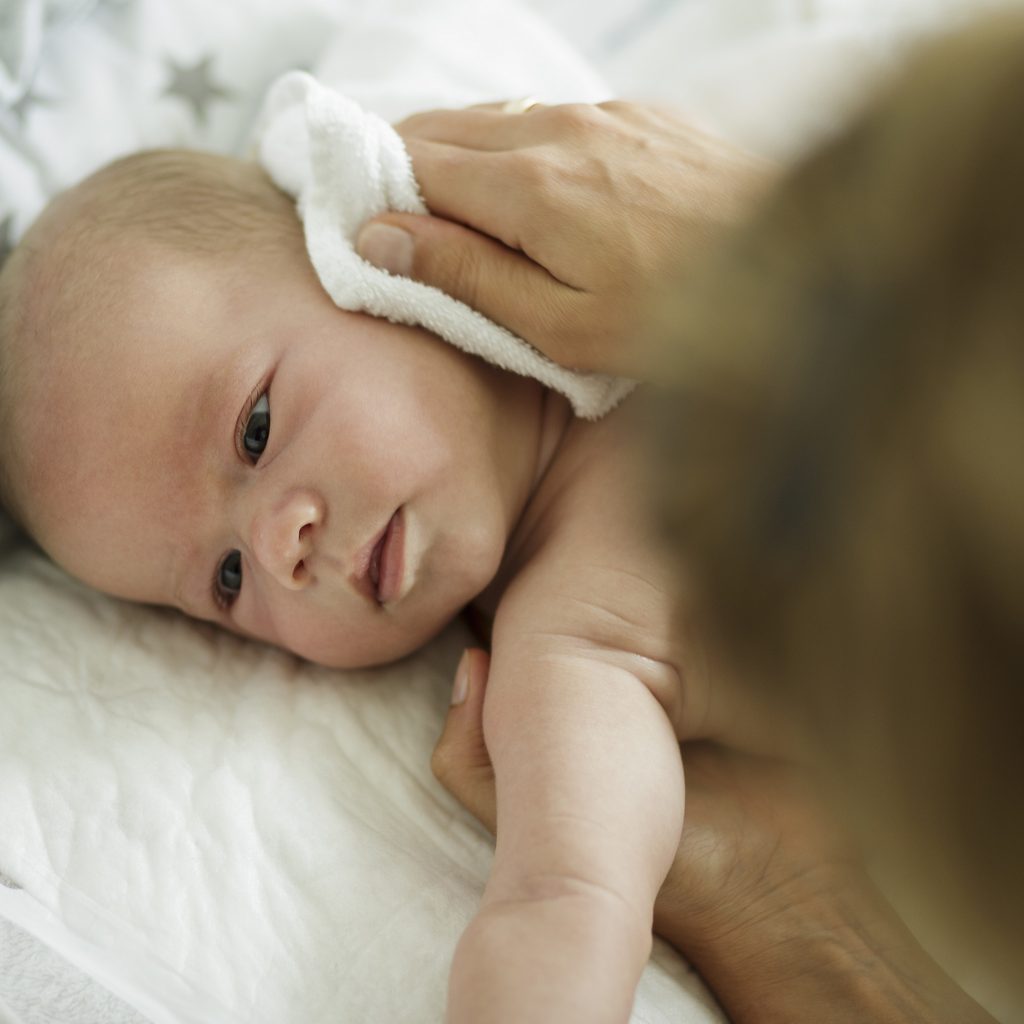
Heat and sweating cause baby heat rash, which means your baby doesn’t need to be outside to develop this rash. In fact, sometimes babies can be sleeping and simply become too warm. If you do notice your baby has developed a heat rash there are some quick and effective ways to help treat it. If your baby wakes up from sleeping with a heat rash, it may be time to remove some blankets or use cotton sleepwear that will breathe better. Layering your baby’s clothing or bedding may become necessary if there are temperature fluctuations. If your baby develops a heat rash from being outside Healthline advises you to move your baby somewhere cool and remove any clothes that may have become dampened by sweat. You may even want to use a fan to help cool your baby down. You can also dab your little one’s face with a cool washcloth or run a cool bath.
“There is no need to use any lotions, oils, creams, or ointments on the skin, as this could further block the pores, trap moisture and make the heat rash worse,” pediatrician Paula Sabella, MD told the Cleveland Clinic. However, if the rash is itchy and causing your baby discomfort some doctors may prescribe a steroid cream.
How long does a heat rash last on a baby?
The good news is that heat rash should typically clear up on its own anywhere between 2 to 3 days. However, Seattle Children’s Hospital advises that if the rash doesn’t clear up after three days or seems to be getting worse, or if your child develops a fever, you should contact your pediatrician. The same goes for if the rash starts to look infected or if your child’s behavior is changing.
How do you prevent baby heat rash?
Being aware of heat rash can help you prevent it, including ensuring your baby isn’t getting too warm when outside in warmer weather and moving your child to a cooler spot to allow for cooling off. Ensure your child’s clothes are dry and that your baby isn’t sweating and is properly hydrated. Healthline advises parents to dress their babies in layers of “clothing made of breathable, moisture-wicking fabric,” so if the weather changes or the child is more active their clothing can be adjusted. They also suggest putting babies’ laundry through an extra rinse cycle when washing as sometimes detergent and fabric softener can be an extra irritant on the skin. Many parents have switched to scent-free and allergen-aware laundry detergent for this reason.
Heat rash is typically mild for babies but if your baby’s symptoms don’t clear up within a few days or they develop a fever you should contact your doctor for professional advice.