
The lemonade stand is the perfect summer activity. Many parents will likely recall fond memories from running their own stand back in the day, earning a few bucks and learning new skills alongside friends or siblings. That being said, kids are pretty ingenious and quickly learn new ways to make a few dollars on the side — money they could use to buy new toys, candy, treats for road trips or vacations, or spending money for an amusement-park trip.
The idea and strategy behind the success of a lemonade stand is not something overly difficult to do, nor does it require just a ton of work. However, utilizing our suggestions in the planning of your child’s front-yard lemonade stand could aid in a smoother and more enjoyable experience for everyone involved — including the parents or guardians.
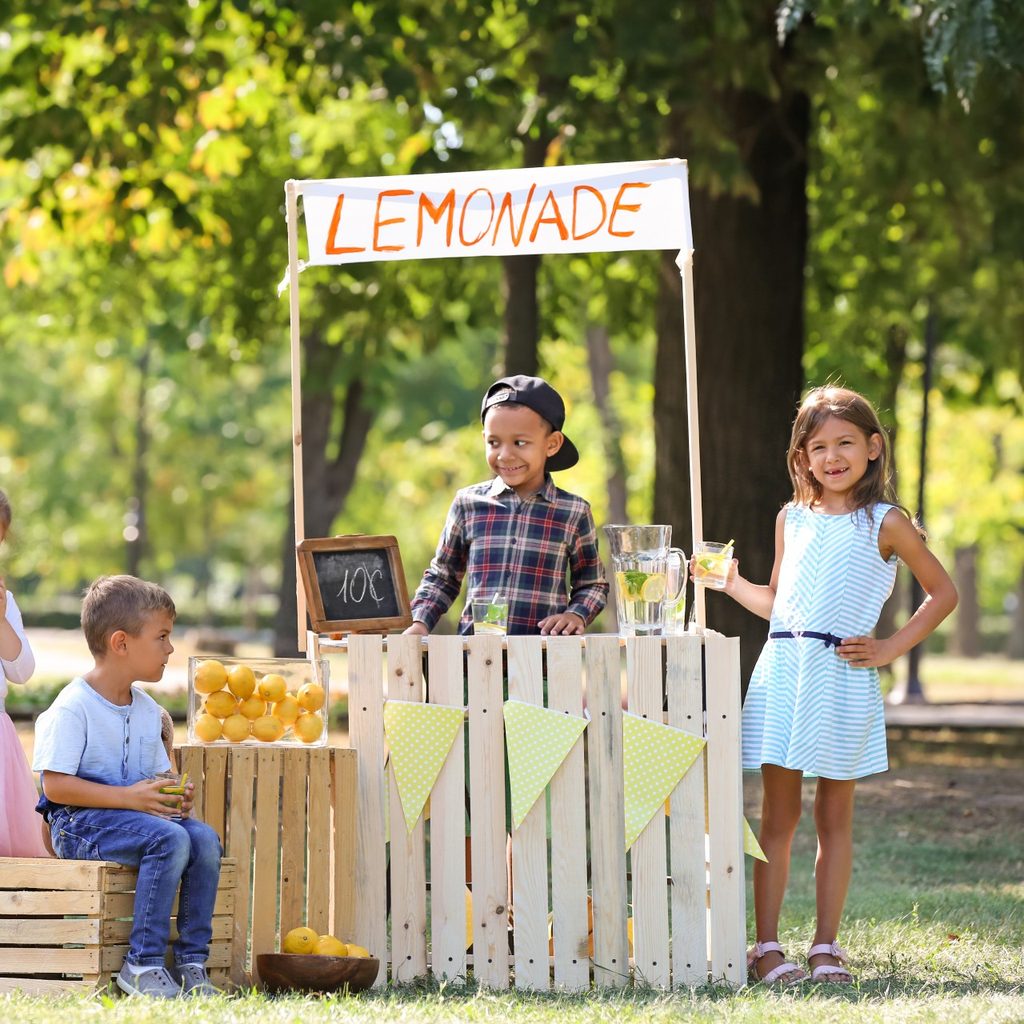
Time to prep
When it comes to any activity, preparation is a key element that comes — almost always — at the beginning. Teaching your child to prepare ahead of time can help set them up for more complex projects in the future. While the planning for a kid’s lemonade stand may not sound like much, it’s important that your kiddo has an idea and system in place when opening for business. Writing theses key elements down in a notebook or notepad can help keep your little one organized, as well. Things to talk about with them when forming a lemonade-stand game plan are:
- When should the stand open? How quickly does your child want to begin selling? Knowing a time frame is important to the planning stage. This structures the event, giving it order.
- What will be served? Planning the menu is essential to any food/drink-related business — even the miniature kind. Your kiddo may want to just stick to lemonade their first go-around, or maybe they are feeling adventurous and want to add some cookies or fruit cups to their lineup. Either way, having a clear picture of what’s being offered is very important.
- How will the stand be built? It doesn’t have to be specially made or even have a “stand-like” appearance. A simple table and chair setup will work perfectly. However, knowing what it will look like ahead of time is important.
- How long will the stand be open? Setting limits is important for any parent/child relationship, and selling lemonade in the front yard is no exception. Give your child feedback on what times you would suggest, but allowing them a little freedom on how long they want to work gives them a little control over their day and a chance to turn a profit.
Shop ’til you drop
Another crucial step in the preparation for a successful lemonade stand is purchasing and using the highest-quality ingredients your kids can use. While this is a child’s lemonade stand, and luxury produce and products are absolutely not necessary, using good quality ingredients ensures your child’s customers will come back time and time again. Whether your little ones decide to go with powdered, frozen concentrate, or freshly squeezed lemonade, purchasing high-quality items affords them the best overall quality.
Side note:
While you may not think of it as an ingredient, the water used to mix your lemonade does in fact matter. If you’re interested in possibly saving your kids and your pocketbook the trouble, consider grabbing a few jugs of purified, filtered water.
Make some change
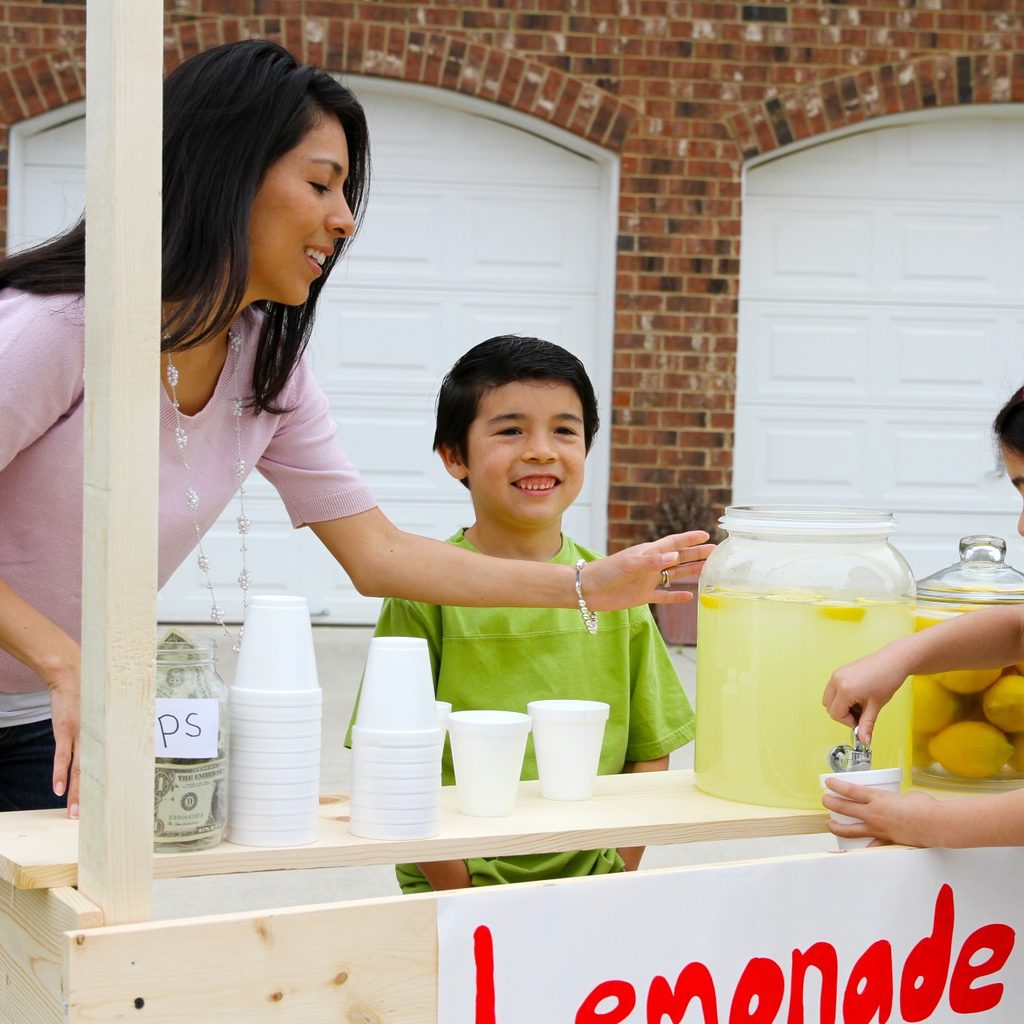
One last piece of vital advice for a smashing, successful, and smile-worthy lemonade stand is having a “register” prepared for your kiddos. While this little kid-friendly side hustle is something to do for fun, the exchange of money for goods is something they will need parental guidance with, especially when setting up their cash register. This doesn’t have to be elaborate or expensive — in fact, a shoebox or upcycled Amazon delivery box would work perfectly! What’s important is what’s inside the register — plenty of change.
For the purposes of a sidewalk lemonade stand, we’d suggest giving your little ones $40 broken down in change to quickly exchange funds while working at it. They may come to find that after the first time sale, more or less change is needed, depending on what their customers are using to pay. A suggestion on what that might look like could be:
- Two rolls of quarters
- 15 one-dollar bills
- Five five-dollar bills
In any case, creating and designing a lemonade stand with your kiddo can be a fantastic way for parents to assist their child in learning essential life skills while building their relationship and bond. Additionally, lemonade stands can also encourage your child to being to master basic customer-service skills while taking on responsibilities and being a bit more independent — stretching their wings a little if you will. We sincerely hope our tips and tricks will be helpful while also tweaking and working them into your own family, making them your very own.