  1. Home
  2. Stages
  3. Evergreens

Moms with depression may be hurting their child’s development, study shows

Learn why maternal depression may impact a child's development process

If you’re a mother who suffers from postnatal depression, you may be struggling to prioritize your mental health. The demands of being a mother are tremendous, and many women feel they need to put their own needs aside to prioritize that of their children and their family. However, a recent study out of the University of Missouri shows why it’s more important than ever that mothers focus on their mental health. This tells us that maternal depression may negatively impact a child’s development.
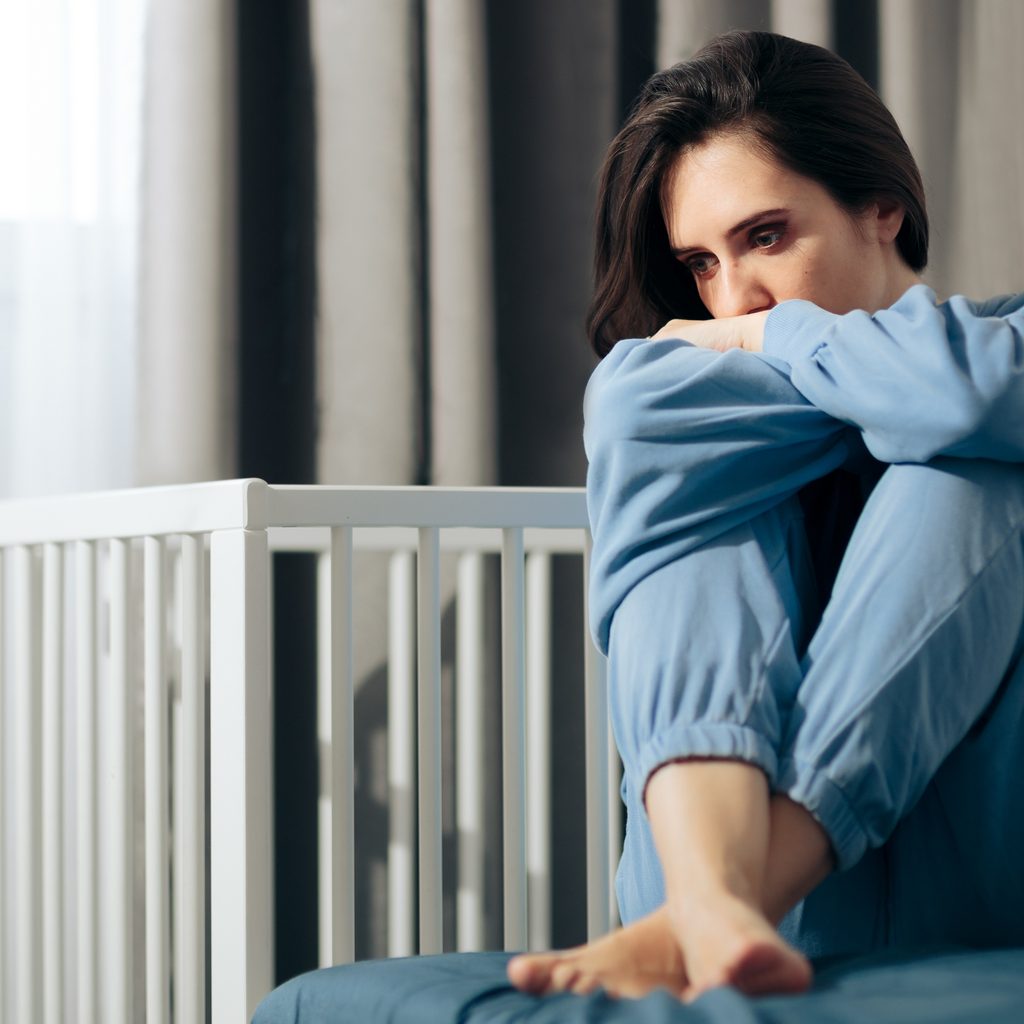
Woman suffering from postpartum depression
nicoletaionescu / Getty Images

How depression can affect response time

This study, which notes the importance that conversation and back-and-forth interaction has on language development, assessed the response time between 104 mothers and children at 14 and 36 months of age. It found that “mothers and children are in sync,” noting that when a mother was quick to respond, so was the child and the same was true when the mother was slow to respond. “The significant new finding was that the moms who were more depressed took longer to respond to their child compared to moms who were less depressed,” noted Nicholas Smith, an assistant professor at the MU School of Health Professions.

Recommended Videos

The study found that mothers who showcased higher levels of symptoms associated with depression were 11% slower to respond to their children than mothers who exhibited low levels of depression symptoms. This delay in response they found could ultimately impact the child’s language development and “early language experience.”

Child exhibiting behavior problems
Getty Images

Behavior issues

This isn’t the only study to show the impact that maternal depression has on a child’s development. A study published in the American Psychological Association followed mothers who self-reported symptoms of depression from birth up to when their child was 5 years old. At the 5-year follow-up, “results suggest that both the severity and the chronicity of maternal depressive symptoms are related to more behavior problems and lower vocabulary scores in children.”

A different study published in the National Library of Medicine also showed that mothers whose “depressive symptoms increased reported more problem behaviors at 3 years.” Further research found that children, assessed at the age of 8, of women who suffered from current mental health problems, as well as postpartum depression, “exhibited the highest levels of psychological problems,” including anxiety and depression, followed by those whose mothers had either postpartum depression or current mental health issues. This study did show that at the age of 8, the children of women who only suffered from postpartum depression were no different from those who had mothers who didn’t suffer from any depression.

Fortunately, society is beginning to really focus on mental health and work to de-stigmatize depression, but there’s still a lot of work to be done. There’s so much pressure on women, especially after childbirth, that many ignore their own needs to focus on their children. Hopefully, increased studies can help healthcare professionals more easily identify women, and by extension their children, who are suffering earlier and provide them with the tools and care they need.

Kelli Catana
Former Author
Is your newborn eating too much? What to know about overfeeding
Cues to watch out for to let you know if you're overfeeding a newborn
Mother holding baby in nursery

Every parent knows the excitement and anxiety that comes when it's time to bring their baby home from the hospital for the first time. Besides the sleep schedule, many new parents may be worried about whether their infant is getting enough to eat. But is going the other direction something parents should also worry about? Is there such a thing as overfeeding a newborn? The short answer is yes. Overfeeding a newborn is a possibility, but it doesn't happen often.

Every newborn has differences in appetite where one might drink a bottle or breastfeed longer than another. Before you stress, don't worry. There are signs to be on the lookout for when it comes to giving your little one too much food. Whether it's your first or third child, if you are concerned about overfeeding your newborn, we have the information you need to know.
Why overfeeding a newborn is something you don't want to do

Read more
Recognizing early autism signs in toddlers: 6 things to know
Which toddler behaviors are quirky and which are red flags for autism?
Toddler boys playing a party game

The Centers for Disease Control and Prevention (CDC) has found that about 1 in every 36 children has been identified with autism spectrum disorder. If your child is on the spectrum, the initial diagnosis can be upsetting, but early intervention following a diagnosis is vital. The early signs of autism in toddlers, though, can be easy to overlook. If you have a child you think might be on the spectrum, it's best to know the early signs as your toddler develops.

There is a long list of possible signs as the autism spectrum is wide and diverse. One sign may appear in one child, but not in another. Certain early signs of autism are more common than others, which is why knowing the red flags is important. The earlier a child receives a diagnosis, the better the support system will be for them.
Understanding autism

Read more
Can you use a heating pad while pregnant? Here’s what you should know
Heat pads and pregnancy work together, just follow some precautions
Pregnant woman using heating pad hot water bottle

Pregnancy is an exciting time filled with awe and wonder, but it's also painful and uncomfortable. Experiencing all. the changes your body goes through as your baby grows is magical, but it's also kind of a pain. As pregnancy progresses throughout the trimesters, so, too, does the discomfort. From backaches to sore feet and sciatica to insomnia, pregnancy can be very hard on a person's body.
Often, a heating pad can provide some much-needed relief from those pregnancy-induced aches and pains, but many wonder if it's safe to use a heating pads while pregnant. Using heating pads during pregnancy can be an understandable concern.
Despite the relief they may give, many pregnant people are hesitant to use them out of fear the heat they produce may harm their baby. Fortunately, using a heating pad while pregnant can be very safe as long as you do so carefully and take proper precautions.

Why would you need a heating pad?

Read more