  1. Home
  2. Stages
  3. Evergreens

6 simple ways new moms can practice self-care

Add as a preferred source on Google

While being a new mother can be exciting, it can also be very taxing on a mom’s body and on their mental health as well. Moms literally grew a human inside of them and bring them into the world, and that’s why they need to give themselves grace after having a baby. If you’re a new mom, you need to be able to have a moment to yourself sometimes after being with the baby all day. An easy way to get a break is to ask your partner to watch the little one while you practice some much-needed self-care for new moms.

How to practice self-care

Leave the shopping to someone else

The last thing you want to worry about after having a baby is grocery shopping. It can feel pretty exhausting, especially in the few weeks after you had your baby. You might not have the energy to dress the baby, put them in their car seat, and carry them around a grocery store. There are quite a few different grocery shipping services like Shipt, Instacart, and more. Your local grocery store may even have a service just like that, too. It’s just as easy as choosing what items you want, and your personal shopper does all the shopping. Your delivery will be on your step before you know it. Nutrition is extremely important when it comes to building back up some vital nutrients and vitamins.

And Breathe Neon Lights
Image used with permission by copyright holder

Breathe

One of the easiest things that new moms can do is to take deep breaths. It helps to calm the nerves if you’re a little anxious and it can be an extremely helpful thing when you want to take a mental step back quickly to calm yourself. It will also help to give you clearer thinking and a sense of peace when you do some deep breathing. You can even look on websites like YouTube for a great variety of different breathing exercises that you can do.

Recommended Videos

Take a nap

You are bound to feel tired in the days and weeks after delivering a baby. Your body will need a lot more sleep in order to heal. Not only does this include getting plenty of rest at night when you can, but also taking a nap during the day if you need it. If the baby is napping, nothing says that you cannot take a nap as well. Doing so will help you to recharge your batteries and wake up feeling refreshed and ready to go do what you need to do.
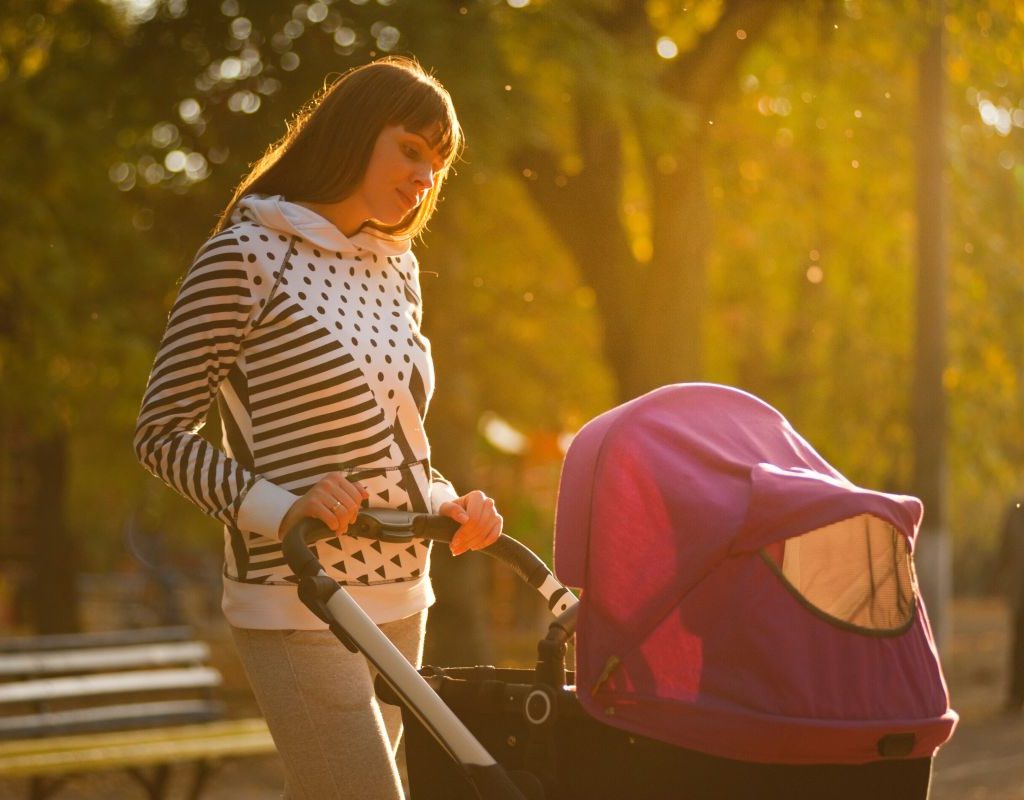
Mom Pushing Baby In Stroller
Image used with permission by copyright holder

Exercise

One of the best ways to help you feel more like yourself again is to be physical and exercise when you can. However, one of the things about exercising postpartum is that you should speak to your doctor before starting any kind of workout program. Once you have their advice about it, you can start exercising, which releases endorphins, which are “happy chemicals” that your brain gives off. You can even bond with your baby and start going on slow walks with them.

Indulge in a hot bath

If you had a set morning our nighttime ritual before the baby, get back into it. You can easily do it right after you put your little one down to sleep at night. Perhaps you enjoy a nice hot shower or bath, a little face cream if you use it, or another nice way to just relax for the night. By taking a hot bath or a shower, you are relaxing your muscles that you’ve held tense all day, in addition to giving yourself some time for you, where you can just clear your head and think.

Quiet time

Having a special “quiet time” is a wonderful way to just take the time to slow down after everything the day has thrown at you. Quiet time can be anything you want, really. If you just want to sit outside for a little bit to soak up some sun while your partner or other caregiver watches the baby, that can be your quiet time. Other times, it can be something as simple as sitting and breathing. Other quiet time activities can include journaling, which is a great way for you to kind of do a “brain dump” of all of your feelings that happened that day.

Self-care is something that is for everybody. New moms definitely need it, and there are plenty of ways that they can easily do some self-care for themselves. If other children are involved, practicing self-care sets an example for children if they see their mom taking care of herself after having a baby.
How much water should a 1-year-old drink daily?
Here's how to keep your little human hydrated
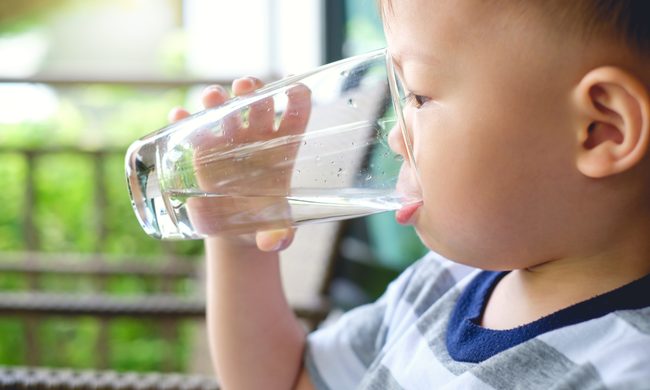
Toddler drinking glass of water

Every adult knows the importance of drinking 8 glasses of water a day, but how much water should a 1-year-old drink? As you transition your child to eating solid foods, it's time to introduce enough liquids to balance their diet. Milk is likely still a huge part of your child's daily diet, and they are most likely drinking it more than water. Although milk is important for toddlers to drink to help with the development of their bones and teeth, they must also drink water. If you're wondering how much water a 1-year-old should drink, here's what you need to know.
How much water should a 1-year-old drink?

According to the American Academy of Pediatrics (AAP), 1-year-olds should drink 1 to 4 cups (8 to 32 ounces) of water per day and 2 to 3 cups (16 to 24 ounces) per day of whole milk.

Read more
The right age for makeup: What parents should consider
Advice for parents wondering how old a child has to be to wear makeup
Mother and daughter playing with makeup

Kids grow up so fast, and before you know it, your tween is asking to wear makeup. Loaning your lip gloss and giving your personal makeup tips to your teenager may be a rite of passage, but what about your younger kids? It seems that children are wearing makeup now at younger and younger ages, and as your child transitions into their tween years, and sometimes even younger, they may want to start wearing some makeup as a way to express themselves. Experimenting with makeup doesn't have to be taboo, and it can even be a safe and healthy way for your child to experiment with their creativity and express their personality.

You may find yourself wondering how old do you have to be to wear makeup, especially if your parents were strict about the matter. Take a look at our helpful parenting tips below as a guide for how to talk to your child about makeup.
At what age will my child turn to makeup? Should I be concerned?

Read more
When should your baby be able to stack blocks? Here’s what to know
Know when babies can nest cups and balance blocks by themselves
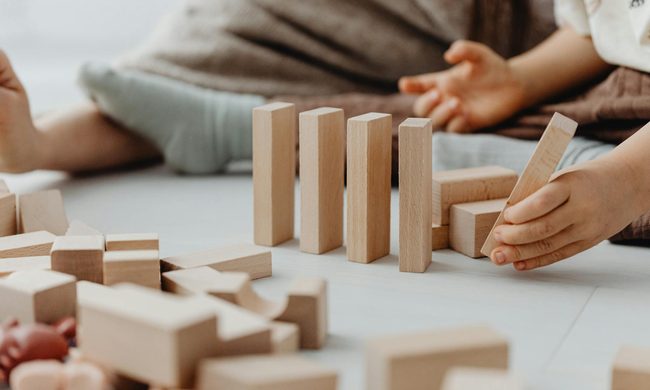
A child playing with stacking blocks

When you’re a new parent, the moment someone gifts your child their first set of blocks, you become obsessed with baby learning and when they should be able to turn the blocks into beautiful creations of their imagination. While stacking blocks are an important developmental milestone for babies, it’s also one of those things that evolves with time and practice. Sitting down to play blocks with your little one is an open-ended game that teaches children physics, resilience, and fun. When can a baby stack blocks and nest cups on their own without your help? Here are some general guidelines so you know how to measure your child’s development with their gift of stacking blocks and how to help your child get the hang of it on their own.
When can a baby stack blocks and nest cups? By age

By 6 months old
At this age, your baby might not be ready to stack blocks the way you want them to, and that's okay. This doesn't mean you can't play blocks with your child or that you shouldn't let your child have fun figuring out what the blocks are. It’s perfectly normal for your 6-month-old to gnaw on blocks or simply hold one, just don't expect them to build the Eiffel Tower just yet.
By 12 months old
This is the stage of banging items against each other and blocks or cups are no the exception. If you offer your child blocks, there may still not be a lot of creativity yet. But keep in mind that knocking things down is a favorite activity of 1-year-olds, so your child is right on track if that's all they do. More likely than not, they’ll be happy to destroy any block tower you build. If your little one can’t get enough of knocking down a stack of blocks, rest assured that they’re right on schedule.
By 18 months old
When can babies nest cups? By a year and a half, stacking is the name of the game. After all, your little one is now officially a toddler and proud of it. If you haven’t done so already, this is a great time to introduce baby blocks. At this point, most kiddos are able to stack two or three blocks on top of each other with ease.
By 2 years old
Don’t be surprised if your baby’s block masterpieces start to get taller by age 2. With improved coordination, your child shows better stacking skills and may be able to balance up to seven blocks on top of each other. This is the beginning of sorting for many young children. If they’re now stacking masters, go ahead and challenge your budding genius to sort their blocks by color or separate them in groups.
By 3 years old
Free play takes a life of its own by age 3. At this point, blocks are much more than meets the adult eye. Your child’s imagination is flourishing, and they’ll start to build tunnels, bridges, or forts with just a few blocks. This is the perfect moment to introduce your toddler to teamwork. If the two of you work together, it’s easier to build tall towers and solve construction problems. Get your child's imagination to full speed and see what they create with blocks of all colors and shapes.
The benefits of stacking blocks

Read more