
Pregnancy and childbirth can have a number of effects on a woman both physically and mentally. Lack of sleep, fluctuating hormones and the pressure of caring for a newborn can seriously impact a woman’s overall health. Thankfully, awareness surrounding the baby blues and postpartum depression is on the rise due to more and more women speaking openly about their personal experiences, but for some, it can go even deeper.
Postpartum psychosis, while fairly rare, is a very serious mental health issue that is said to affect 1 or 2 in every 1000 women. Although rare, properly diagnosing postpartum psychosis is an important step in ensuring the safety of both mother and baby. As many as 85% of women have reported experiencing some form of mood disorder after delivery.
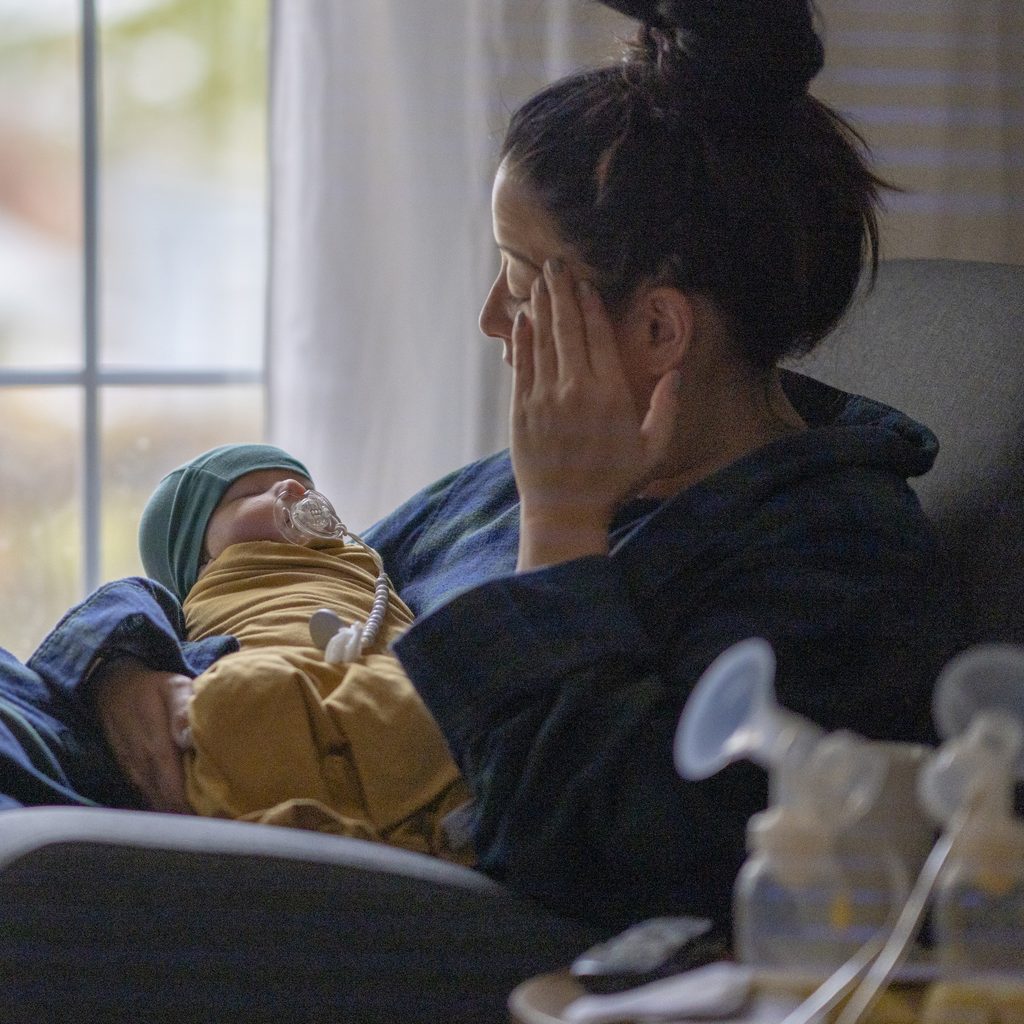
What is postpartum psychosis?
Postpartum psychosis is a rare but serious mental health disorder a woman can develop after giving birth. According to Everyday Health, “postpartum psychosis is a severe mental illness characterized by extreme difficulty in responding emotionally to a newborn baby — it can even include thoughts of harming the child.” While any woman can be at risk of developing postpartum psychosis, factors such as the history of bipolar disorder or postpartum psychosis in a previous pregnancy, other mental health issues, and family history can all increase risk.
When does it happen?
The Postpartum Depression Alliance of Illinois writes that for most women who will experience postpartum psychosis, the symptoms will typically present themselves anywhere from 3 days to 2 weeks after giving birth. This is typical of other postpartum mood disorders such as baby blues or postpartum depression, but in the case of postpartum psychosis, the symptoms are much more severe.
What are the symptoms?
If you’re wondering if you are experiencing postpartum psychosis or are worried about someone you know who is struggling, WebMD lists a number of symptoms to look for as an indicator of postpartum psychosis;
- Delusions (belief in something that’s not real)
- Hallucinations (seeing, hearing, or experiencing imaginary things)
- Agitation
- Heightened energy or sex drive
- Depression, anxiety, or confusion
- Severe insomnia (You may not even feel the need to sleep.)
- Paranoia and suspicious feelings
- Constant mood swings
- Feeling disconnected from your baby
Many of these symptoms are similar to those experienced when having a bipolar or manic episode, Healthline notes. They also point out that while anyone can develop postpartum psychosis, there are some risk factors that may increase a woman’s risk. Those factors are;
- History of bipolar disorder
- History of postpartum psychosis in a previous pregnancy
- History of schizoaffective disorder or schizophrenia
- Family history of postpartum psychosis or bipolar disorder
- First pregnancy
- Discontinuation of psychiatric medications for pregnancy
The earliest signs of postpartum psychosis are restlessness, irritability, and insomnia according to the MGC Center for Women’s Health. “Women with this disorder exhibit a rapidly shifting depressed or elated mood, disorientation or confusion, and erratic or disorganized behavior,” they note. “Delusional beliefs are common and often center on the infant. Auditory hallucinations that instruct the mother to harm herself or her infant may also occur.”

Treatment
Postpartum psychosis is a very serious mental health condition that requires immediate medical care to ensure the safety of the mother and baby. Dr. Charlotte Ladd, associate professor of psychiatry at the University of Wisconsin in Madison told Everyday Health that postpartum psychosis is a “psychiatric emergency,” and that medical help is crucial, especially since women could be at risk of harming themselves or their baby. She notes that sometimes, mothers will feel shame about how they’re feeling making them hesitant to seek help, which leaves them feeling more alone and isolated than before. “Intrusive thoughts of throwing a baby out the window or across the room often seem to come out of nowhere, and women are afraid to talk about them,” Ladd noted. She also added that it’s important for the mother to be separated from the baby while she is assessed. Treatment for postpartum psychosis can vary and includes hospitalization, antipsychotic and antidepressant medications, electroconvulsive therapy, and counseling with certified mental health professionals.
Women are often led to believe that pregnancy and childbirth are the most natural and joyful times of their lives, so they often feel they did something wrong when they experience any form of postpartum mood disorder. It can be a scary time for a woman who experiences postpartum psychosis, but the good news is that it’s highly treatable, and the NHS reports that the most severe symptoms last between 2 to 12 weeks, with recovery taking anywhere between 6 months to a year. With proper diagnosis and treatment, most women can expect to make a full recovery.