

There’s just no way around it: Childbirth hurts, and it goes on long after the big event. The aftermath can mean periods of pain and discomfort in one of the body’s most vulnerable areas.
Stockpiling the right supplies is how you survive the siege.
Serious postpartum infections and other complications are rare in places where Western medicine is common, but even so, the pain and plain-old disruption can be considerable and may persist for a couple of months or even longer.
Some experts recommend planning ahead for your recovery, with plenty of postpartum essentials on hand from day one so you don’t have to parse it all out in a time when you’d probably rather just be sitting in the bath.
Max out on maxi pads (and underwear)
It’s normal for new mothers to experience bleeding and a vaginal discharge called lochia for a few weeks after giving birth. Maxi pads are an ideal first line of defense against this.
Pads are preferred over tampons in the postpartum time period because the blood and discharge can carry potentially harmful bacteria. Tampons can sometimes prevent these bacteria from exiting the body.
Disposable underwear can also help, as can regular new or used underwear you’re willing to throw away.

Donut pillow
Ah, the ever-faithful friend of the posteriorly challenged. Deciphering the origin of this item is not exactly a Sherlock Holmes mystery. Does it need to be? A squishy-but-springy circle with a hole in it makes a soft landing spot for anyone with hemorrhoid or other lower back pain. Post-partum pain most definitely qualifies.

The Buy at Amazon from Ergonomic Innovations holds up to 240 pounds and is endorsed by physical therapists. Weighing in at less than 1 pound, the cushion is a cinch to take with you, be it to the den or your mother-in-law’s.
Peri rinse bottle
A peri-rinse bottle is a fancy name for a hand-held squirt bottle. “Peri” is short for “perineum,” which is the area of skin between the genitals and the anus.
The exertions of childbirth have left that part of your body inflamed and angry, but a peri-rinse bottle can help clean and soothe at the same time. Just fill the bottle with warm water and squirt it from front to back while you’re on the toilet. This also helps by diluting urine, a key culprit behind that awful stinging sensation.
Peri-rinse bottles are inexpensive and widely available, making them a handy tool for new mothers.
Topical spray
Ice is a common weapon in cooling down your burning nether regions, but sometimes you have to take an extra step.
A specially designed spray can relieve pain and itching on contact. Buy at Amazon is one well-known option in this area.

Dermoplast uses hospital-strength benzocaine along with aloe and menthol to soothe the targeted areas. And because it’s a spray, it’s fairly easy to get to the kinds of hard-to-reach places all new moms always seem forced to try to reach.
For the medicine chest
The two drugs you’ll want to have in your arsenal at this time are fortunately just as simple as they are important: Pain relievers and stool softeners.
According to the American College of Obstetrics and Gynecologists, over-the-counter pain relievers often are sufficient to relieve postpartum pain. (If you had a Caesarean delivery, you may be prescribed opioids, but given their risk of addiction, many health-care providers are working to keep opioid prescriptions to a minimum.)
The bottom line is that every person and situation is different, so you’ll need to work with your doctor to make a specific plan.
With that said, a top recommended medication class for postpartum pain is non-steroidal anti-inflammatory drugs (NSAIDs). These drugs are particularly useful because they work not only to address pain but reduce inflammation or swelling in the body. That can help further help to ease your overburdened muscles. Examples of over-the-counter NSAIDs include aspirin, ibuprofen (Advil), and naproxen sodium (Aleve).
Now is also a good time to invest in a good, old-fashioned stool softener. This is a type of laxative that does exactly what its name suggests, making bowel movements easier.
Epsom salts (and other bath-time friends)
Bath time is a welcome daily lifeline for many a new mom. Adding Epsom salts to bathwater is a time-honored way of easing all manner of aches and pains. It’s known to be so effective, in fact, that it’s commonly prescribed to cancer patients to help contend with the nasty side effects of chemotherapy.
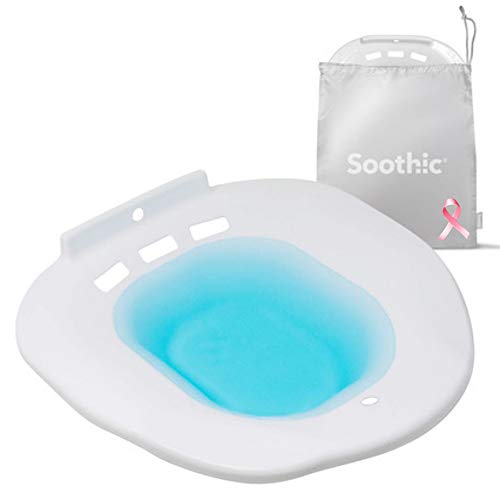
For new mothers, Buy at Amazon is also a critical part of the equation. It’s a shallow bath specifically designed for the nether quarters. There are some accessories that allow you to set up a sitz bath right on the toilet seat.
As many people know, it’s easy to get creative with bath time these days. So you can also pair Epsom salts with other items. For example, lavender oil and oatmeal are two other familiar bath ingredients with soothing properties.
Stocking up on maxi pads is not nearly as fun as shopping for teddy bears. And it’s not all that comforting to think about postpartum woes when you’ve got enough prenatal problems as it is. Still, do your future self a solid and she will surely thank you, once time machines are invented. Until then, the right checklist and a little foreknowledge should more than suffice.