

Whether your little one is longing to get out of or is perfectly content in their crib, at some point, it will be time to make the transition to a bed. They may begin to voice their desire or, in some cases, may start climbing out on their own. Alternatively, you may have a baby on the way and need the crib for them. Whatever the situation, there is no hard and fast rule on exact timing, but there are ways to make this monumental move run smoothly. Here are some tips on helping your toddler transition from crib to bed in no time.
Timing is everything
There is no set age to make the switch. Unless you need the crib for another baby, don’t feel any pressure to make the transition. Most toddlers make the transition sometime between the ages of two and three. If your child starts climbing out, you will want to make the move to ensure they don’t get hurt. Just remember to do it when no other big changes occur, such as the start of preschool or toilet training. If you need the crib for a new sibling, it is best to do it well before the baby arrives, so they have time to adjust.
Celebrate the milestone
It is important to acknowledge that this is a big achievement and moving to a big kid bed is something your child should be excited about. Read books on going from a crib to a bed. Talk to them about what a huge step it is and how proud you are of them. Let them feel like they are part of the event. An ideal way to do this is by letting them help with the bed selection or having them pick out sheets with a pattern they love—a favorite character, animal, or toy theme.
Try some practice runs
Going from a crib to a bed is a big change. Before making the switch, consider having your toddler take some naps in the bed. This way, when the time comes, it will already seem familiar. Doing it like this will make the transition more natural and lead to them requesting to do it themselves permanently. That said, it is wise to keep the crib in place for a week or two after, if possible. If it’s not, be sure to prepare them in advance if you will be removing it. After all, it was a safe and comforting place where they slept for the first years of their life, and taking it out without warning may be traumatic.
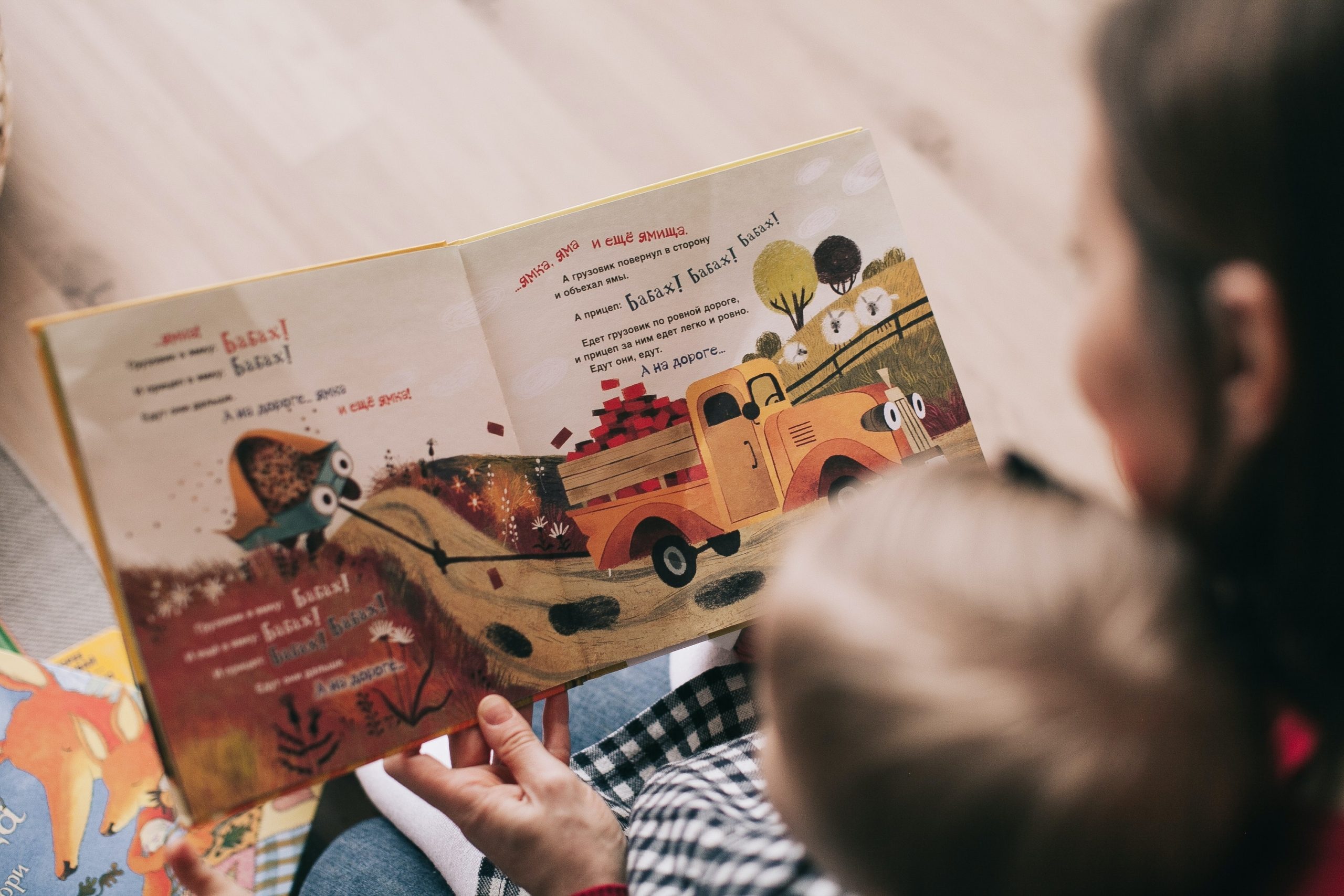
Keep routines in place
Just because the sleeping arrangement has changed does not mean anything else about bedtime should. More than ever, this is a time to keep your routine in place. Stick to the bedtime rituals—take a bath, read a story, and tuck your little one in just the way you always have. Even if they are excited about the new bed, everything else remaining the same will allow them to feel secure.
Make rules clear
It goes without saying that a bed offers freedom toddlers may have never had. Be sure to convey beds are for big kids, and only those who follow the rules can be lucky enough to be in one. Make it clear to them that these rules are final and for their safety. With that said, you should revisit both the bedroom and anywhere else they may end up. Consider putting or leaving up safety gates and keeping them locked at least for a while, so there is no chance they will wander to other parts of your home. Ensure all doors leading to the outside are also secured, and any hazardous medications or cleaning supplies are out of reach. If you find them wandering, bring them right back to bed and keep the time as boring as possible. This may take several nights and plenty of persistence, but the more consistent you are, the sooner they will get it.
Making a move from a crib to a bed is a turning point. One thing parents will need is a lot of is patience. Remember, this is simply another skill they need to learn. Before you know it, they will get it down and be on to the next life lesson.
In addition, if you’re planning to travel you can check out our guide on toddler travel beds.