
When things go well, putting your little one to bed is a pleasure — singing lullabies, wishes for sweet dreams, and one last good night kiss. But when things don’t go well, it’s natural to be afraid when the sun starts to set! Many little cuties resist bedtime because they don’t want their day of playing, eating, and spending time with friends and loved ones to end. And, unfortunately, the more tired mom is, the more rigid, hyper, and irritable she becomes.
Reasons toddlers may not sleep
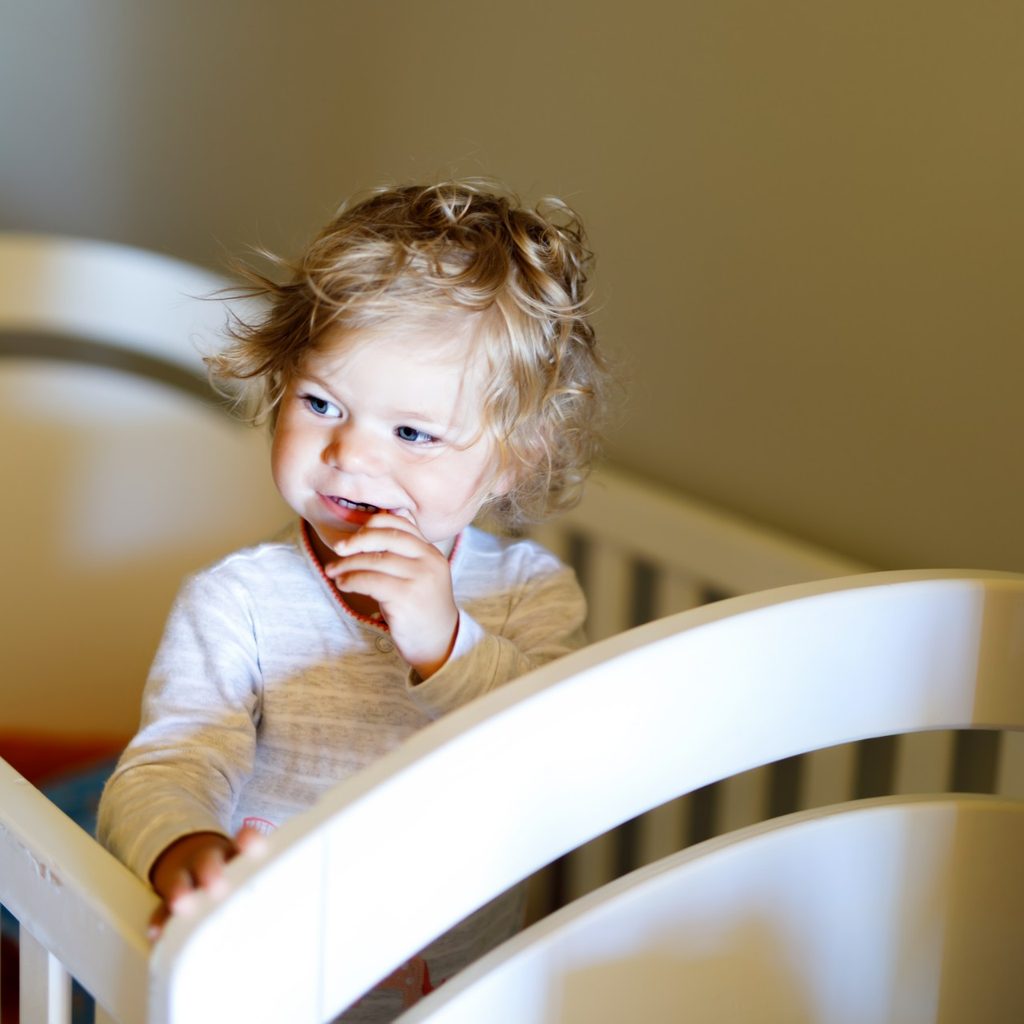
Let’s take a look at some of the reasons your child may not want to go to bed at night:
- Overexcited. Your child may have been too involved with the television, roughhousing, or consumed something with caffeine or unfavorable ingredients (sweet juice, sweet snacks, artificial colors and flavors, cold medicine or a dose of cola caffeine, Mountain Dew, iced tea, or chocolate).
- Something bothers them. This can include bright lights, loud noises, or physical discomfort (when teething, when too hot, too cold, has a stuffy nose, itchy pajamas, or eats too late).
- Curious and stubborn. Your little angel doesn’t want to miss out on what everyone else is doing and refuses to go to his or her room.
- Dependent on your help. Your toddler has not yet learned to fall asleep without balancing, feeding, and sustaining themself through you. It’s time for them to learn to fall asleep on their own.
- Not gauging bedtime correctly. Another reason can be that you are putting your child to bed too early (they are not tired) or too late (they are overloaded and exhausted).
How to make toddlers sleep
Fortunately, there are a number of ways to help your little one sleep at night. Remember it is natural for children to refuse to sleep. Here are some tips you can try:
- Adhere to a routine. Make sure your child has the same waking and sleeping times every day. Also, make sure that nap time is not too late in the day to avoid interference with bedtime.
- Create a quiet atmosphere. At least 30 minutes before bedtime, be sure to create a calm environment for your baby. Try reading a book or bathing as part of this routine, and avoid high-stimulation activities such as watching TV or movies.
- Keep the room atmosphere dark and quiet. Do not let your child watch TV in their room or have a screen in bed (iPad, iPhone, etc.). The room can have a dim night light and soft music, but avoid everything with a screen.
- Limit food and drink before bedtime. Don’t feed or give water to your toddler for a while before it’s time to go to bed. Practice this rule with your child to avoid chasing them around the house all night.
- Tuck your toddler in. Be sure to put your child to bed while they are sleepy but still awake. They want to learn to sleep so you are the one who must teach them.
- Make their room comfortable. A good sleeper is a child who feels comfortable in their room. That’s why it is crucial to create a relaxing and comfortable environment for them. Make sure your child loves everything about their room, from decorations to colorful beds.
- Nap time is important. When your child is too tired, it’s hard to put them to sleep! That’s sleep debt. Even if you think a nap is “for kids,” a 30-minute nap during the day can give your child better nights! Of course, the nap should be taken in the afternoon, ideally after lunch.
- Stay calm and patient, but be firm. Bedtime should be enjoyable and a time of relaxation for everyone. However, you need to chill! You know your child better than anyone, and you need to trust your instincts. Get rid of any guilt and be convinced that you are doing the right thing. By creating a conducive environment for your child, it allows you some down time, as well.
- Meet toddler’s needs, not desires. Young children don’t know the difference between needs and wants. It’s up to you to teach them the difference so they grow up emotionally healthy. This means you have to evaluate what your toddler is asking for and not just say “yes” to everything. Your little one will be frustrated by these limitations at first, but eventually they will get on board and you both will be able to fall asleep in peace!
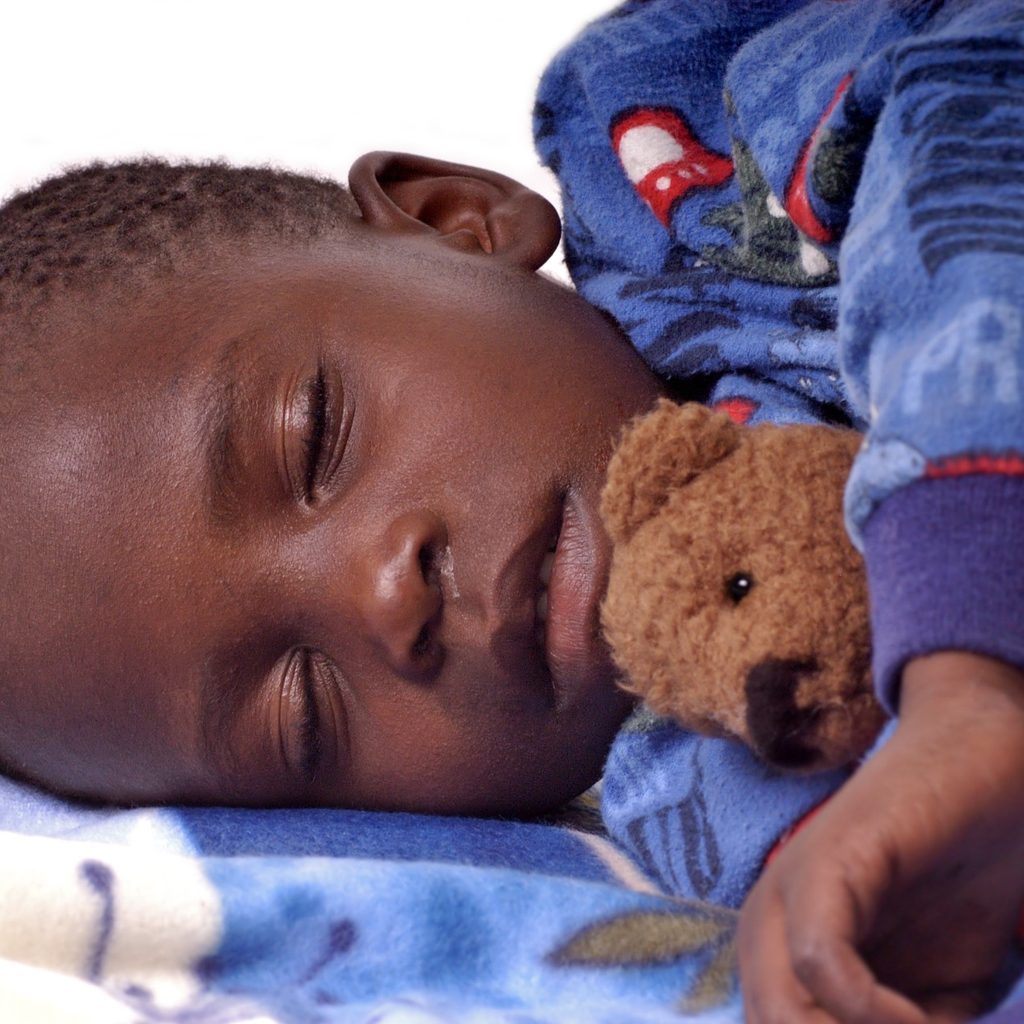
If after trying these suggestions your toddler still refuses to sleep, it’s probably time to consult a specialist for specific instructions for your child. A psychologist or doctor has the experience to give you advice and help your little one sleep well.