
It’s not uncommon for breastfeeding moms to worry about their milk production, especially if they are new to breastfeeding. There can be several causes for a mom’s milk supply to be low, including some prescription and over-the-counter medications, herbal supplements, recent breast surgery, using formula in addition to breastmilk, and whether the baby is having attachment issues.
Some babies also only breastfeed for short periods of time, which may impact milk production. When a mother is having issues with producing enough breastmilk, power pumping is often a recommended solution. What is power pumping, and how does it help stimulate milk production? Keep reading, and we’ll explain it all.
What is power pumping?

For breastfeeding moms concerned about low milk production, the key to increasing it lies in breast stimulation and repeatedly emptying the breasts. Power pumping is a way to copy cluster feeding. Cluster feeding is when a breastfeeding infant wants to nurse more often. This change in eating patterns tends to happen at certain times of the day, most often in the evening. While cluster feeding is temporary and sometimes exhausting for the mom, it does kick milk production into high gear. Power pumping can do the same thing to a mom’s breastmilk production.
Why does power pumping work?
Power pumping is expressing milk in several short bursts, much like cluster feeding. The extra pumping can provide the stimulation the breasts need to provide an uptick in milk production. Power pumping can be useful if a mom feels there’s a dip in milk production or at other times when an increase in breast milk is warranted. A mom might want to try power pumping if:
- Their milk supply is slow to come in after giving birth.
- They’re getting ready to return to work and need to freeze or have additional breastmilk on hand for caregivers.
- Baby has started solids and doesn’t nurse as frequently.
- They need to increase milk production after an illness to them or the baby.
Power pumping can also be used to induce lactation for adopting moms.
How to power pump
Power pumping isn’t any different from normal pumping. What sets power pumping apart is the frequency. So, if you decide to power pump, you’ll need to adjust your pumping schedule. For example, instead of pumping every three to four hours, you will need to pump in short clusters for around an hour. A power pumping schedule involves alternating pumping and resting over the course of 60 minutes. Now, this may sound a bit daunting at first, but the thing to remember about power pumping is that it’s temporary, like cluster feeding.
Cluster feeding typically lasts for multiple days. When power pumping, you’ll want to do one session for three to seven days. Some women notice an increase in milk production after three to five days. Once milk production kicks into high gear, you can return to your normal schedule.
When to begin to power pumping is entirely up to you. Many moms find their milk production is at its height in the morning. So, you might want to plan on a daily power pumping session after resting following your baby’s morning feeding.
Power pumping tips
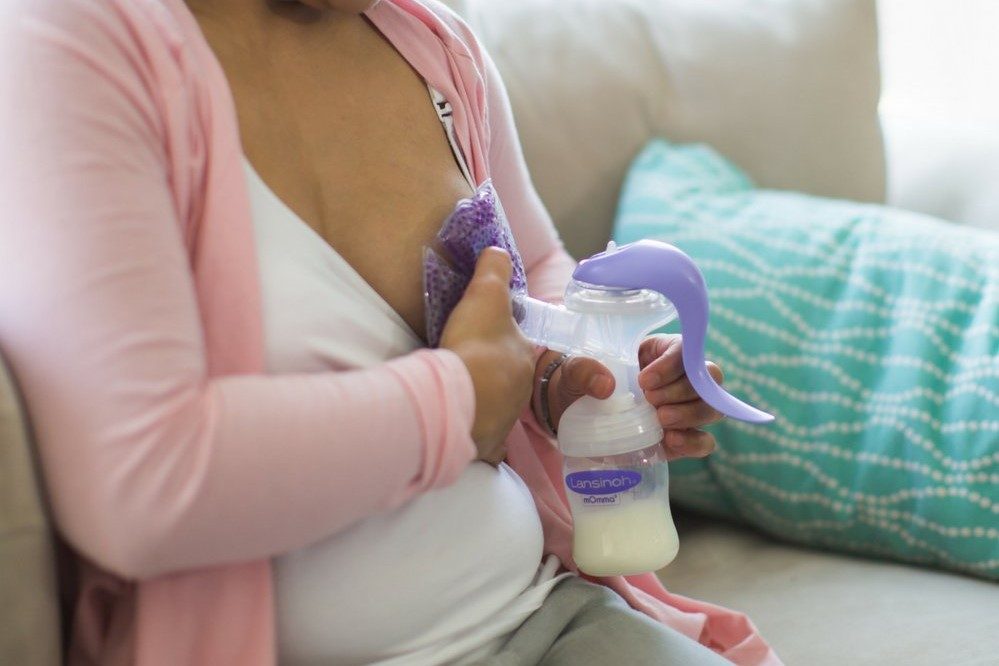
Pumping isn’t easy, which means power pumping can be taxing, too. If you are getting ready to power pump, there are some things you can do in advance to help your body handle it a bit better, including:
- Staying hydrated. It’s important to remember to drink plenty of water before a power pump session and continue to stay hydrated afterward.
- Overall, nursing moms need to pay attention to their nutrition, but it’s even more vital when power pumping. So, have healthy snacks on hand and remember not to skip meals.
- Nap if possible. Like cluster feeding, power pumping isn’t always a breeze. So, take the time to rest. Take advantage of your support system. This is the time to have grandparents come over to provide extra hands so you can rest.
- Using warm compresses on your breasts for 5 to 10 minutes can jumpstart pumping.
- Take a warm shower before power pumping.
- Enjoy a snuggle with your little one on your breasts.
- Gently massage your breasts.
- Check to ensure your current breast pump is the right size and comfortable.
- Avoid pushing too hard. If power pumping is taking too much out of you, take a step back. You can’t take care of your little one if you’re exhausted.
If you are struggling with milk production or are concerned it’s not enough, power pumping may be the solution. Power pumping works by stimulating and emptying your breasts, copying cluster feeding. You’ll want to power pump daily for about three to seven days. Since it can be taxing on your body, be sure to keep our power pumping tips in mind. Remember, you can also reach out to your lactation consultant if you’re having difficulty with milk production.


