There are several factors that could cause your toddler to have diarrhea. Whether the culprit is a stomach virus or eating too much of her favorite food, helping your child’s digestion return to normal is important. Below we’ll go over what to feed toddlers with diarrhea, as well as common foods to avoid, especially if your little one suffers from increased stomach upset over several days.
Foods to focus on
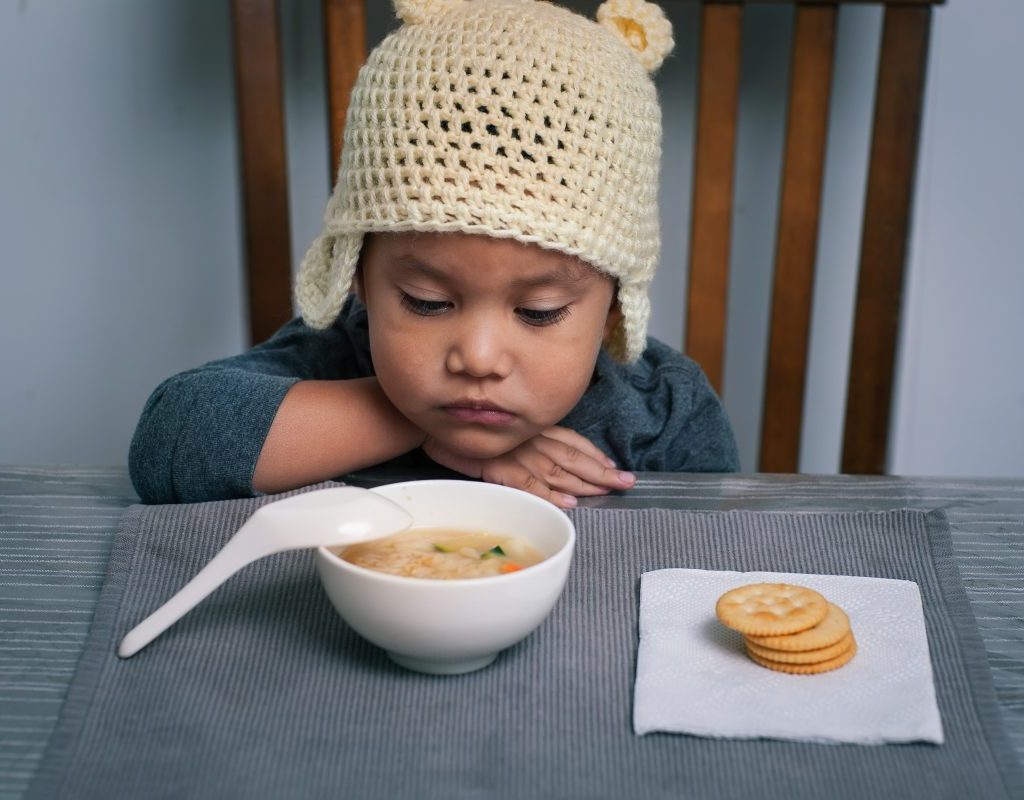
Toddlers are already notoriously picky eaters. While dealing with your kid’s diarrhea, you may want to start by offering the foods your toddler likes to eat. In fact, the Center for Disease Control (CDC) actually recommends that kids continue to eat their normal diet as long as their symptoms don’t worsen.
If your toddler is uninterested in her usual preferred foods, or if her diarrhea or other digestive symptoms worsen, you can try the following recommendations.
Fluids
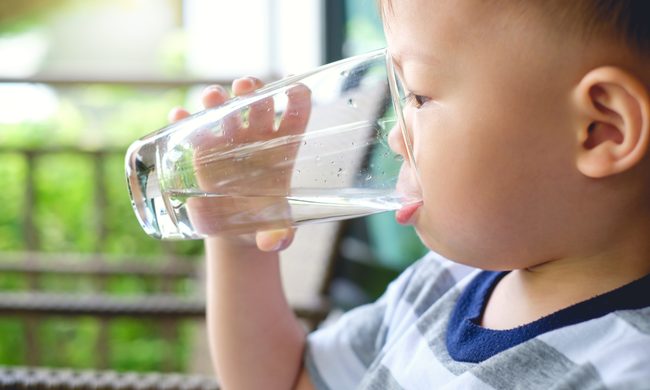
One of the greatest concerns with diarrhea, especially prolonged diarrhea, is the risk of developing dehydration. Although you don’t have to pump your kids full of fluid, you do want to make sure they’re drinking their regular amount of liquid.
Water is preferred, but if you are having a difficult time getting your toddler to drink water, you can add a bit of fruit juice to their water. Vegetable or meat-based broths could also be an option to help support your toddler’s fluid intake.
If your toddler is showing signs of dehydration and fluids continue to be a struggle, the experts at Neil K. Kaneshiro, MD, with MedlinePlus, suggests trying Pedialyte, jello desserts, or popsicles until you’re able to regulate your toddler’s hydration better.
Bland foods (BRAT: Bananas, rice, applesauce, toast)
You may have been taught growing up to use the BRAT diet when you experience tummy troubles. Pediatrician Vincent Iannelli, MD explains why the BRAT diet has been recommended: “Since some of those foods, especially bananas and rice, are ‘binders’ and are considered to be constipating, they might help diarrhea.”
Although this has been the norm, Iannelli believes this perspective may be outdated. He explains, “The BRAT diet alone won’t help your child get better faster when he has diarrhea. And since this restrictive diet is low in fat, protein, and energy, it might actually make it harder for your child to recover from an illness.”
If your toddler is struggling to eat, you can start with the BRAT diet and begin offering other foods higher in fat and protein as she tolerates more food.
Yogurt
Yogurt contains probiotics, making it a good option to try if your toddler is digesting dairy products well. Probiotics can support gut health and promote healthy bacteria growth in the digestive system. There is also evidence to support using probiotic-rich yogurt to help shorten the length of time your toddler has diarrhea.
If your toddler is struggling with dairy tolerance, you can ask your doctor about including a probiotic supplement instead.

Foods to avoid
Even with the CDC recommendation to continue feeding your toddler a normal diet, there are foods that can cause digestive upset, especially when your tot’s belly is already feeling unsettled. If you notice symptoms are not improving, consider cutting out some of the following foods for a few days.
Dairy products
Milk and other dairy products can sometimes cause gas and bloating, especially if the digestive system is already agitated. If you notice your toddler’s diarrhea is not improving, that their diarrhea is getting worse, or they’re starting to experience gas and increased tummy ache, consider eliminating dairy products for a few days.
Gas-causing fruits and veggies
Some foods cause more gas than others. Knowing which foods can increase the likelihood of gas or bloating can help you determine what to avoid feeding your toddler for a few days. Legumes, such as beans, chickpeas, and peas, can increase your child’s gas.
Other vegetables that can cause bloating and gas are peppers, broccoli, and leafy green vegetables. For some, corn may also irritate the digestive system. Fruits, especially prunes, can make diarrhea worse or increase gas.
Fizzy drinks
Carbonation can put pressure on the belly and cause gas. Although we may have been given ginger ale when we had stomach flus, sometimes that carbonation can cause more issues. Likewise, caffeinated beverages should be avoided. Caffeine can overstimulate the digestive system and create more stomach upset.
Sugar
Food and drink high in sugar, especially sugar types that are difficult to digest, can increase your toddler’s diarrhea and cause stomach pains. Although juice is recommended if you’re struggling to keep your toddler hydrated, experts suggest watering down juice or trying to avoid apple and prune juices.
Toddler diarrhea is common; you typically need to monitor your toddler’s fluid intake and wait for the poop to pass. However, if your child develops a fever, has symptoms of dehydration, has bloody stools, or the diarrhea continues on for several days, you should consult your kid’s physician.