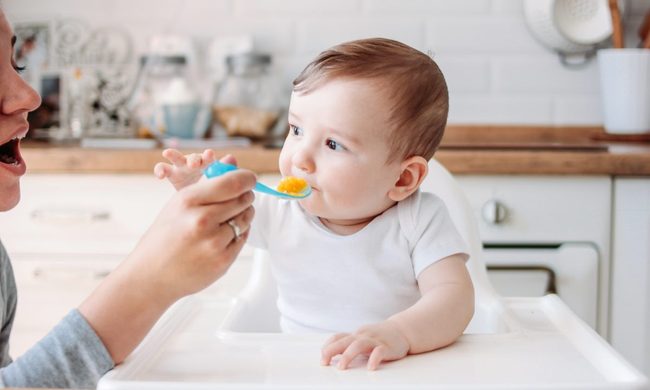

So many firsts will happen in the first year of your baby’s life. Some will be completely unpredictable, like the first word. But others you could kind of prep baby for, like the first time they sit up. When do babies sit up for the first time? When should your baby sit up without falling over or needing a few pillow assistants? Here’s when your tenacious tot will conquer gravity to stay upright.
What age your baby will sit up
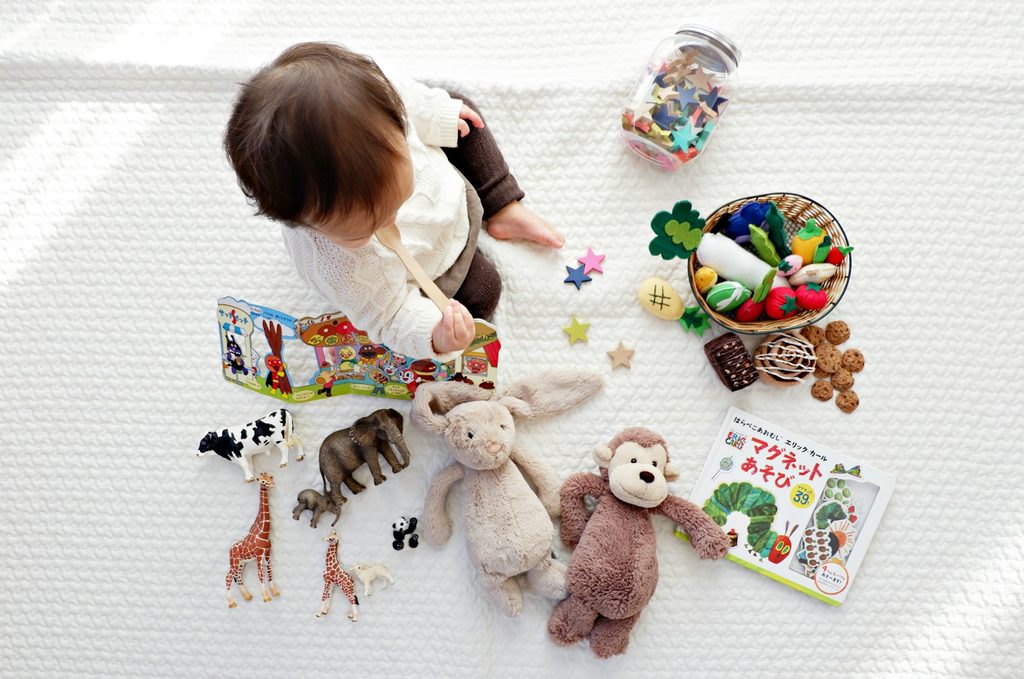
The first time your baby sits up without any support is a milestone parents can’t wait for. It also means you don’t have to keep propping your baby up with pillows and hoping they don’t fall over the second you walk away. The earliest you could see your baby sitting up without support is around 4 months old, with a more accurate range of most babies sitting up between 7 and 9 months old.
Because baby sat up once, doesn’t mean they’re a pro
We aren’t saying that by 7 months, your bundle will sit all day long and never topple over. But you will see your baby get stronger and more confident and be able to sit for longer periods of time. You’ll still see a bit of bobbing around, a leaning tower of baby, and possible faceplants here and there. By 9 months old, they should be able to sit up the majority of the time without needing you to adjust them.
Why it matters that baby can sit up
A few things happen once baby learns to sit up. One is the promotion to eating solid foods, which your little one shouldn’t eat until they can support their body. Once your babe sits propped up and can stay mostly centered, solid foods can enter the chat, and that’s huge for both baby and parents. When your child sits up properly without you holding them, mealtimes become easier.
Another perk is playtime gets so much more fun. The toys and activities your baby can do once they sit up increases. No more just staring at the ceiling fan or mobile. The view of the world looks so much more promising off the floor. You and your baby will also be able to be more interactive when sitting is introduced. We know how hard it is to get up off the floor, so adding sitting playtime to the mix will be nicer on those sleep-deprived bones.
Signs your baby is getting ready to sit up
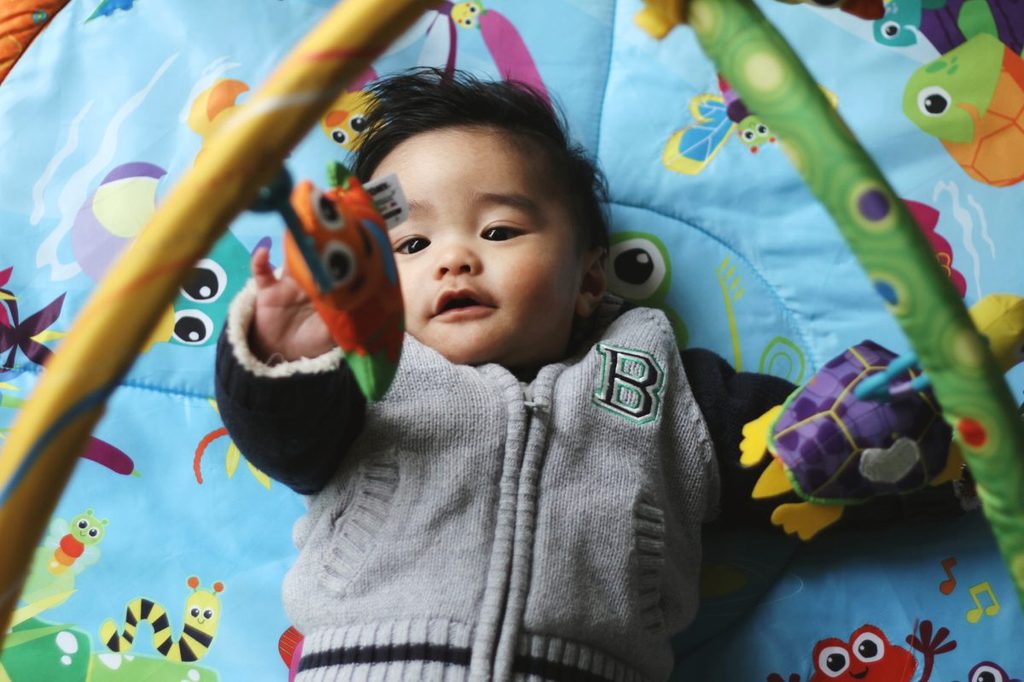
These are clues your little one is ready to sit on their own and ways you can help your baby get ready for their first big sit by themself.
They mastered tummy time
Not only is tummy time great for building neck support and keeping that precious little head as round as possible, but it’s also crucial for your baby to learn to sit up. Strengthening those muscles in the back and neck is necessary to support their little body.
They found their balance
Balance is a big part of sitting up (and crawling and walking), so carve out time each day to hold your baby in proper sitting positions to help them practice.
Their strength cannot be stopped
Tiny humans are freakishly strong, but that’s a good thing. To help your child build the strength needed to keep themselves upright, put them in a range of positions as often as possible. Hold their pudgy little hands and make them stand, switch them from their stomach to their back, and have them sit up in as many ways as possible to build muscle memory for their sitting debut.
Practice with props
It is the cutest, most fun, and most adorable thing when you prop your baby up in the corner of the couch so it looks like they are sitting. Keep doing it, as this helps your child learn how to control their body. Safely plop your baby in a sitting position in your lap or on the couch, and assist them in sitting as much as possible.
Sitting up side notes to know
When to talk to the doctor
Milestones are so subjective with babies. Even within the same family, kids don’t walk or talk at the same age. But if your baby has no interest or history of remotely being able to sit by the time they are 9 months, bring it up to the pediatrician.
It’s time to child-proof
If you haven’t thought about how every item in the house could hurt your baby, now is the time. Scooting, crawling, and walking are within reach once your baby is a pro at sitting. They may start learning how to open and close those baby gates.
Every milestone your baby hits is exciting and beautiful and amazing, with some just a bit more fun than others. The question of when babies sit up isn’t as important as watching your child figure out how to do it with a bit of help from you. The first year flies by, and a discovery seems to happen every other day. Once your baby hits 4 months, be on the lookout for signs sitting up is in the near future, and be ready for all the joy on your baby’s face when they get the hang of it.