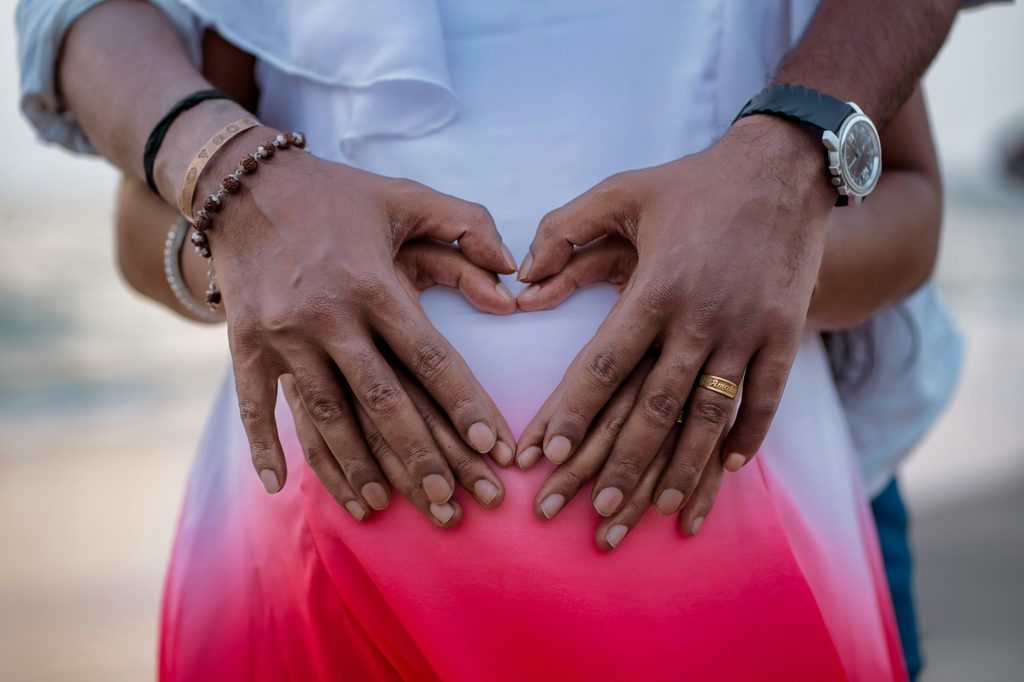
There is just so much excitement surrounding a pregnancy. Whether it’s your first or third, moms-to-be often can’t wait to show off that baby bump. Baby bump photos aren’t just for celebs. Baby bump photos are a great way to make a pregnancy announcement.
So, when do you start showing? Is it in the first trimester or the second? Does when you start showing depend on if it’s a first or a second pregnancy? We’ve got everything new moms-to-be need to know about when they will start to show.
When do you start showing

So much is happening to your body during those early days of pregnancy. Once you find out you’re pregnant and have that first visit to your obstetrician, waiting for the baby bump to appear is much like kids waiting for their birthday.
On the practical side, you may also be wondering how long you can get away wearing the clothes in the closet. Do you need transition clothes, or should you start buying or borrowing maternity wear? First off, remember every woman’s body is different. So, some women may show later than others. When you start showing also depends on whether it’s your first pregnancy or whether you’re carrying multiples.
The first trimester
During those initial 12 weeks of a pregnancy, a woman’s body undergoes hormonal changes. These hormonal fluctuations often cause tiredness, nausea, sore breasts, headaches, and constipation, as well as bloating. While a majority of women suffer from morning sickness, others have a relatively uneventful first trimester.
For baby, those first 12 weeks are a busy time, too. The baby’s brain and spinal cord develop very early on, as does the vital organs. You’ll soon be able to hear a heartbeat, too. A fetal heartbeat can be detected at around the fifth or sixth week of the first trimester. Now, you probably think you’ll start to see that baby bump during the final month of the first trimester, but that depends.
First pregnancy
If this is the first time you’re expecting, you most likely won’t notice a baby bump in your first trimester. While you may notice your waist thickening a bit by the end of the first trimester, it is much more common for the baby bump to begin popping at around week 16 (four months) or week 20 (five months). It’s around that time that your doctor will begin keeping track of the fundal height. The fundal height is measured from the pubic bone to the top of the uterus. It’s measured in centimeters, and tracking it is how the doctor checks the growth of the fetus.
Second pregnancy
You may have already heard from women experiencing second or third pregnancies that they showed much earlier. This may very well be the case since the stomach muscles were previously stretched during a previous pregnancy.
Multiples
Now, it stands to reason if you are carrying twins or triplets that the baby bump will appear earlier. With multiple babies growing inside your uterus, you will probably begin to show sooner than with one.
Why do some women show sooner or later than others?
Just like one size doesn’t necessarily fit all, there isn’t an exact science as to when you will start showing. Each woman’s body is different, and body type can influence when your baby bump appears. Thin, petite body types may show earlier, while taller, larger frames might show later. If you’re carrying a bigger baby or multiples, you will most likely show sooner.
Remember, most women start showing at around the 16-to-20-week mark. Showing in the first trimester is unlikely, but some women may have a slightly noticeable bump around the 13- or 14-week mark.
Don’t compare
Remember that sage advice about not comparing yourself to others? It’s important to keep that in mind during your pregnancy. Everyone is different and every pregnancy is different. Pregnancy is easy for some and harder for others. Concentrate on yourself and don’t compare yourself to a friend’s pregnancy or what you see on social media. If you’re concerned about not showing yet or showing too soon, talk to your doctor. Your doctor is monitoring your pregnancy and the development of your little one. Ask at your next check-up if you’re worried about showing.
Showing off your baby bump
Whether you choose to share your baby bump with the world or just family and close friends is entirely up to you. Sharing a pregnancy by showcasing your bump isn’t for everyone. Women who have experienced a miscarriage, a stillbirth or the loss of a baby may not want to show off their baby bump right away. You may also be reluctant to share your bump before you’ve had an opportunity to discuss your impending maternity leave with your boss. If you decide to keep your growing bump hidden, opt for looser clothing and darker hues along with avoiding social media posts.
As you will soon see when you finally get to hold your little one in your arms, there is a range for those milestones. The answer to when do you start showing isn’t a concrete one. Most women begin to show around the 16-to-20-week mark, but remember other factors come into play, like if it’s a first pregnancy, body type, or whether you’re carrying multiples. If you’re worried about not showing yet or too soon, talk to your doctor.