
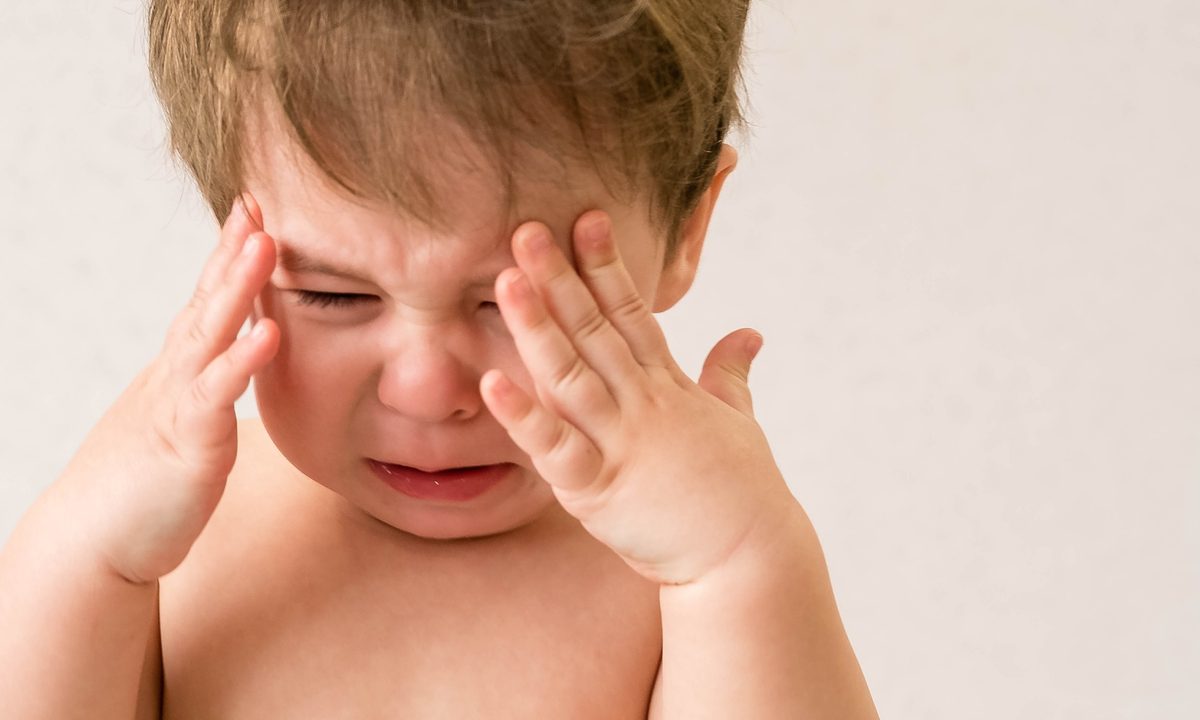
Toddlers are no strangers to temper tantrums, but parents may find themselves at their wit’s end trying to figure out why their toddlers behave the way they do when they throw a tantrum. The toddler years are full of developmental milestones, which can cause some extremely big feelings. Toddlers often find themselves overwhelmed by all the new things they constantly learn and sometimes struggle to express themselves. Sometimes, these emotions are cute or even a little funny, but during full-blown tantrums, those same emotions can be far from amusing.
From holding their breath to kicking and screaming, our littles express their anger in a variety of ways. Sometimes, these behaviors may seem unconventional. For instance, some toddlers take their clothes off when they are angry. Like mini Hulks, your toddler’s anger may boil until they can’t contain themself and the clothes come off.
This behavior can be humorous at home but is not so silly when you’re out in public. What causes our toddlers to disrobe? Find out more about why toddlers take their clothes off when angry and how parents can stop them from doing so.
Sensory overload
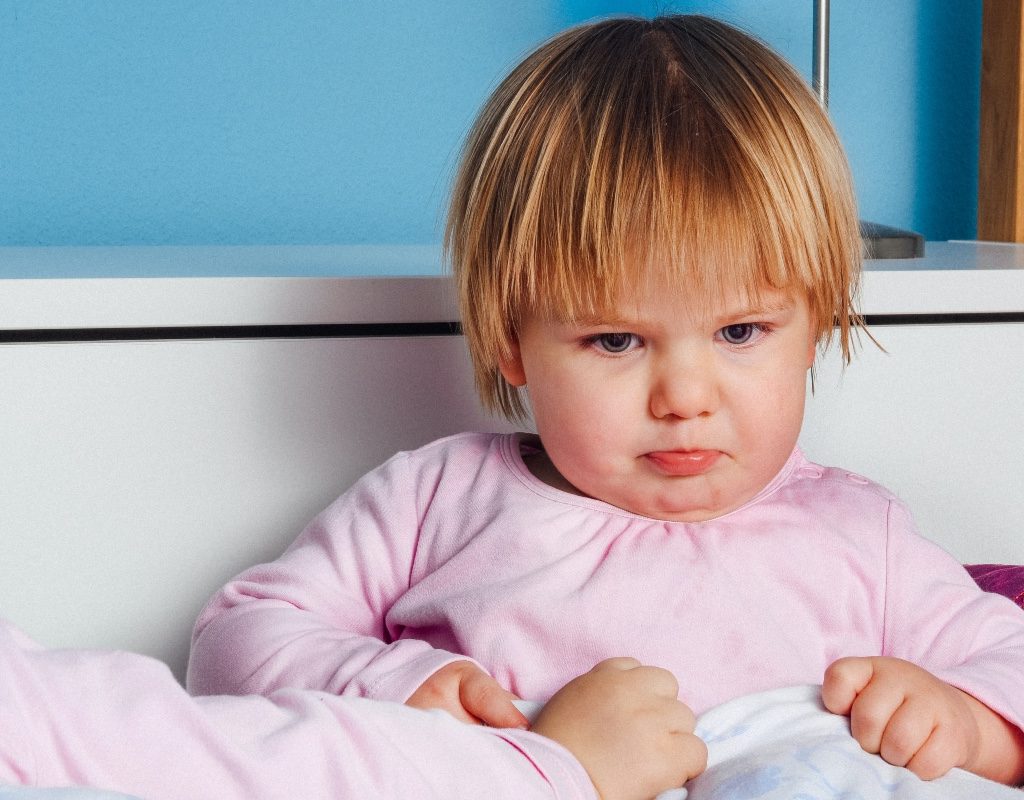
Toddlers experience so many emotions throughout their day. These big feelings are new and scary and your toddler does not know how to properly self-regulate these feelings yet. This difficulty in processing emotions could cause a sensory overload making them feel the need to rip off their clothes.
Your toddler may take off their clothes when they are having a difficult time managing their anger to remove the sensory input of the clothing or to gain sensory input from their environment. Dr. Julie Braciszewski, a licensed clinical psychologist, explains, “Oftentimes, kids desire to explore the world without barriers, and removing clothing removes a physical barrier.”
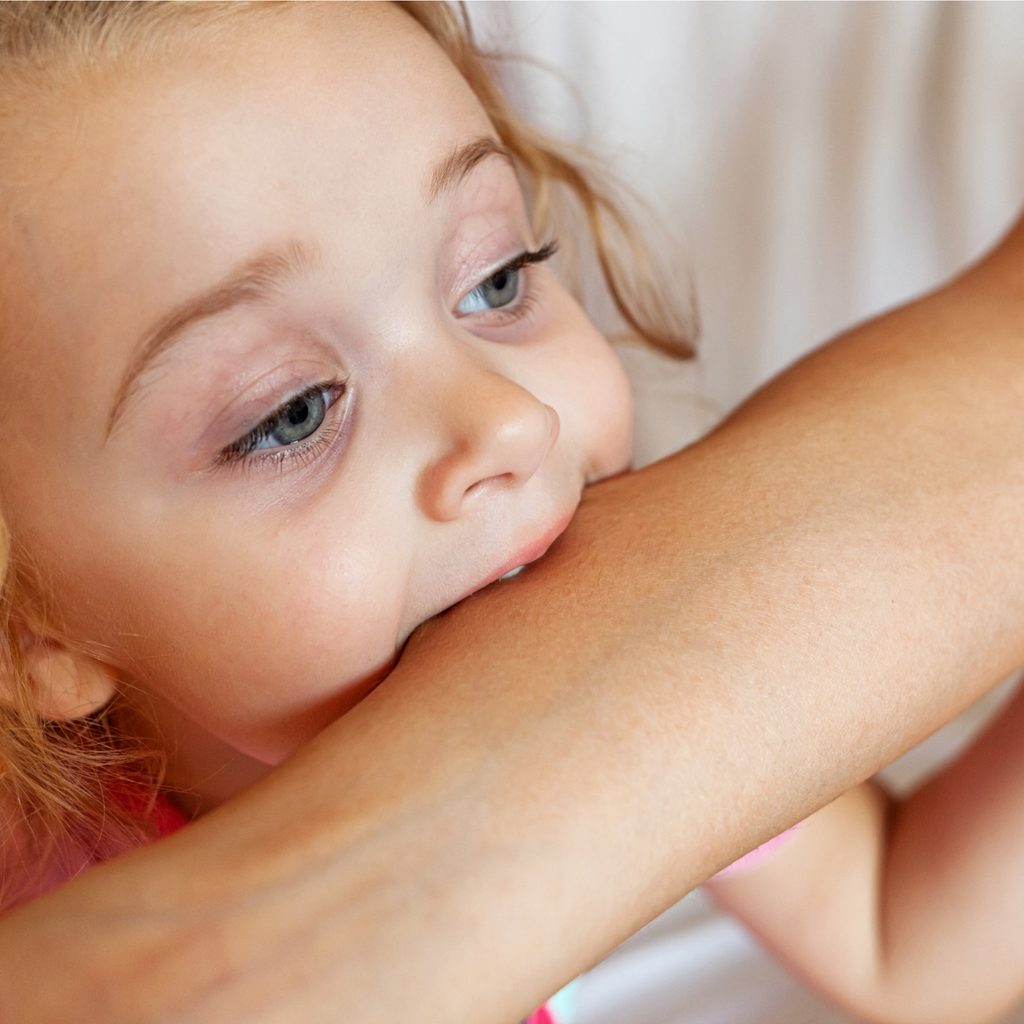
Another possible reason your toddler strips down in a fit of rage is due to seeking attention. Think back to the first time your tot took off his clothes during a tantrum. How did you react? If you reacted very strongly, your child may continue to exhibit the same behavior in the future to get a similar reaction.
If our toddlers are not receiving enough positive attention, they may seek out negative attention instead. Tamar Jacobson, Ph.D. and early childhood development and education consultant claims our toddlers need our attention: “If we know anything about child development, it is that very young children actually actively need our attention.”
She goes on to explain that, “Brain development research shows us that in order to feel attached and worthwhile, children need our love, touch, and full-on attention to survive.”
Uncomfortable clothing

Similar to sensory issues, your child may find their clothes uncomfortable. Dealing with uncomfortable clothing may be more manageable when your child is happy or distracted. When your toddler becomes angry, their tolerance for scratchy tags or loose shirts may lower. Your tot may seek the easiest solution: taking off their clothes.
Clothes can create different sensory reactions. Shirts may be too itchy or pants may be too tight. These issues may become exacerbated when your kid becomes angry. Colleen Beck, OTR/L, explains, “We have fabrics that are scratchy and prickly, causing anxiety and keeping us on edge, not allowing us to focus on much of anything else other than getting it off.”
Control
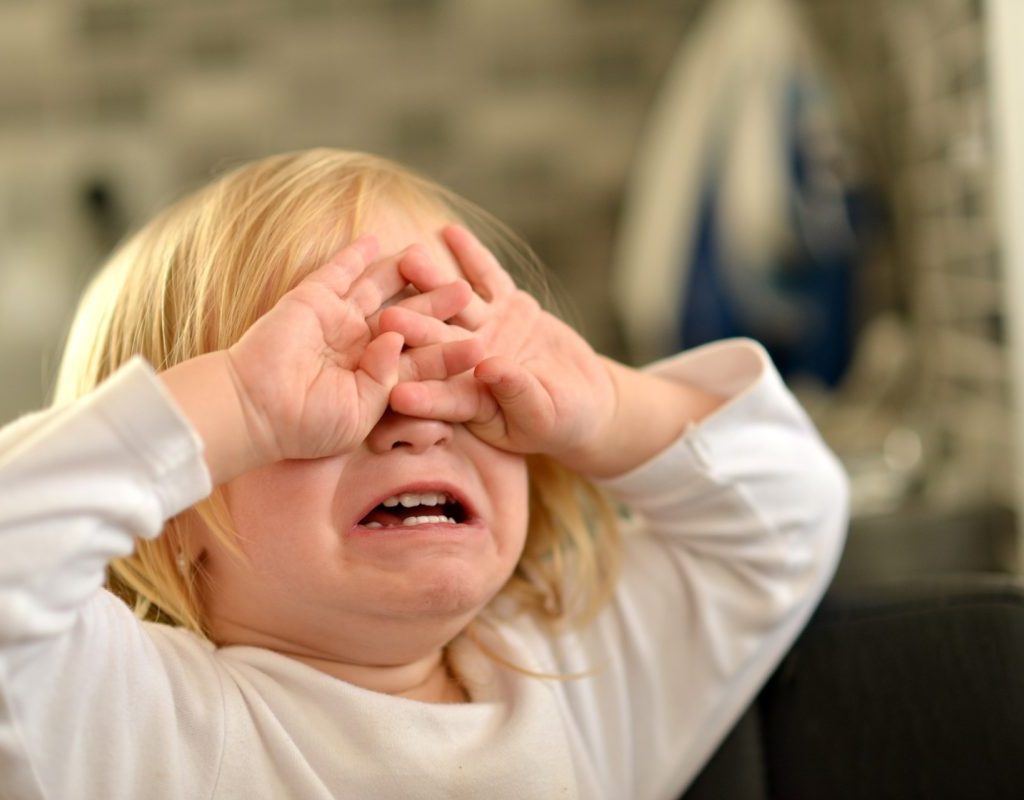
Being a toddler is difficult: their whole life is scheduled and decided for them. Toddlers do not get to decide if they wear shoes or when they get to leave the park. Tantrums can often result from not having a say, and how your kid expresses their anger can be an act of control.
“When a child lacks a sense of personal power or significance, they will seek out control over their environment,” Olesya Leskel, LPC, MHSP asserts. Undressing may seem silly, but doing so quickly allows your toddler control over their immediate environment.
How to help when toddlers take off their clothes
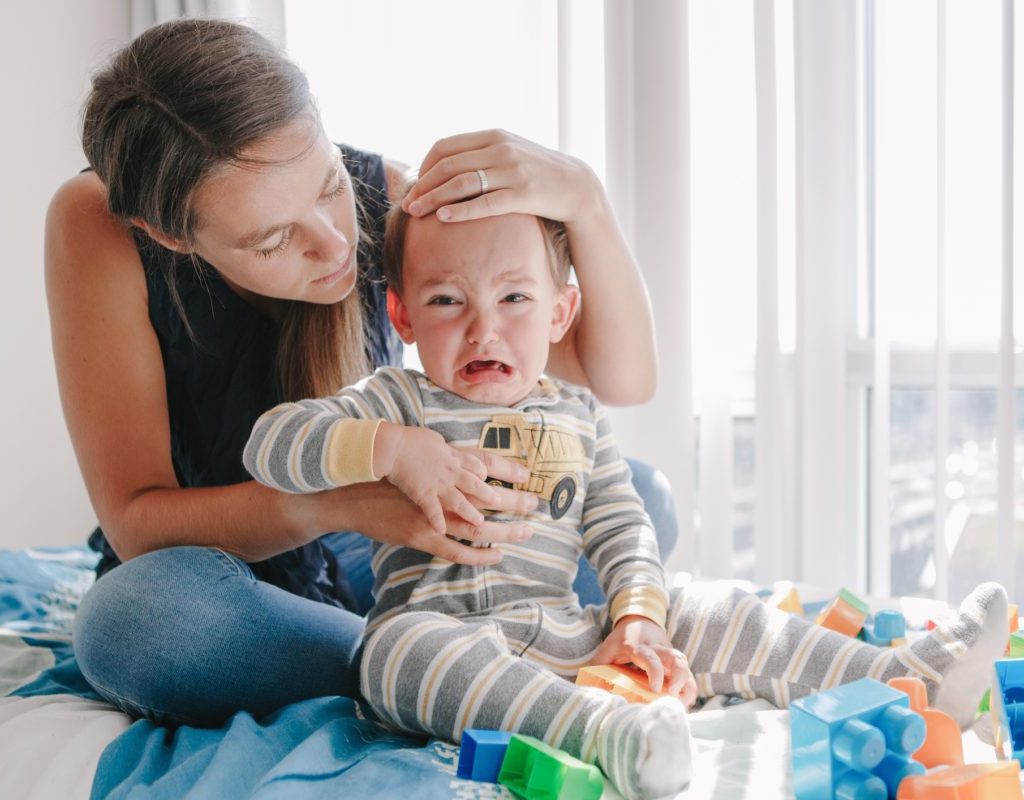
Speak in if/then statements: If you put your clothes back on, then we can have snack time. By using if/then statements instead of telling your toddler what they will do, you give your toddler a sense of control.
Get creative with their clothing: Taking your toddler out in public may seem impossible if they frequently undress when angry. In order to stop the disrobing, or at least slow them down, you can put their jackets with buttons or zippers on backward. You can try switching to pants that button and zip instead of pants that are easy to pull on and off.
Check your toddler’s clothing: Take notice of how your toddler acts in their clothes. Are there any types of clothing they don’t seem to like? Do theyhave more frequent meltdowns when certain shoes are involved? Understanding how your child feels about his clothes can help keep his clothing on in stressful situations.
Is my child’s anger normal?
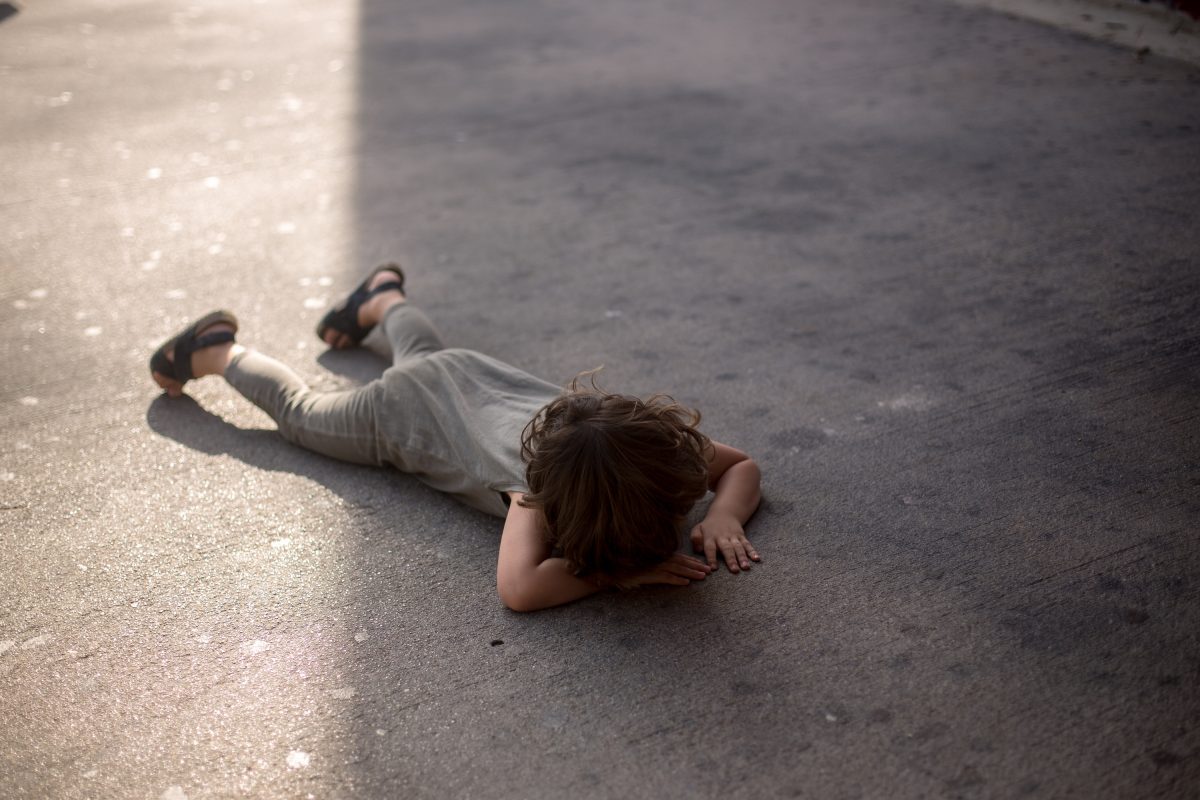
Tantrums are a part of toddlerhood, but if they become constant, they can cause alarm in some parents. Frequent outbursts or tantrums could be a sign of distress in your child, and it could also be a sign of an underlying condition, such as ADHD, anxiety, or other learning disorders.
The experts at the Child Mind Institute suggest that parents identify their child’s triggers as a first step in helping to reduce their outbursts. They also state that parents should be concerned about their child’s tantrums if they are still exhibiting them past the age when developmentally, they would be expected to grow out of them. Tantrums are a part of a toddler’s development, so unless your little one is not able to make friends because of them or if they are causing a serious disruption in the home, you probably don’t need to worry too much.
Do toddlers grow out of this?
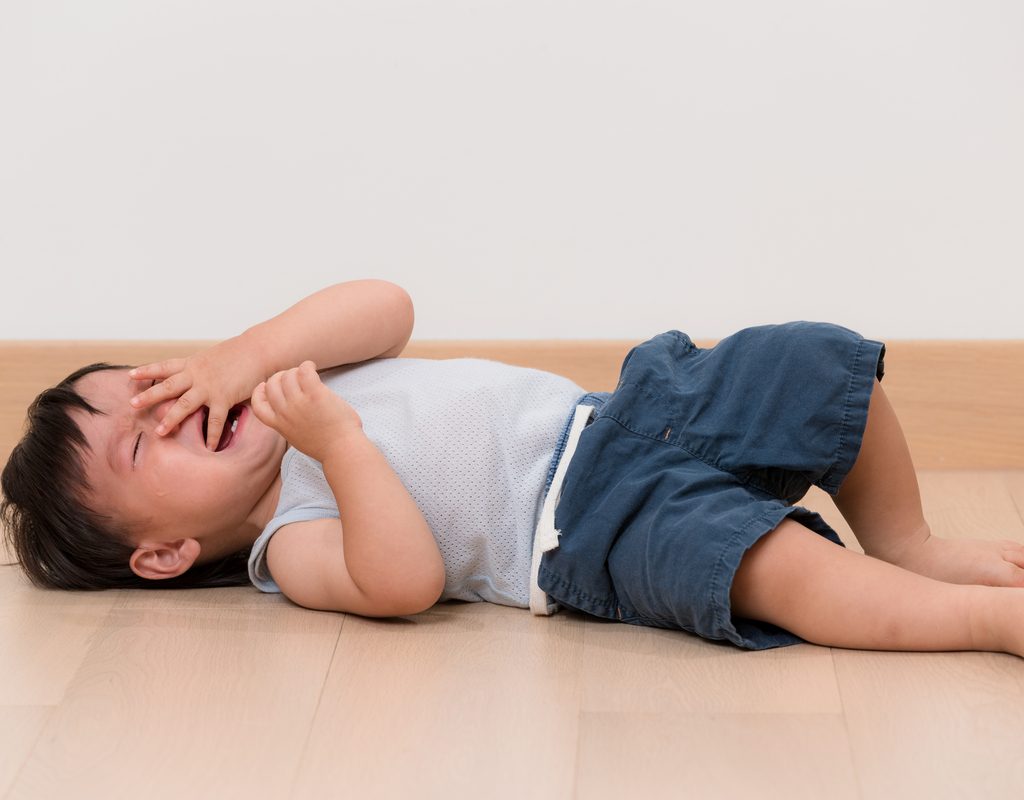
Fortunately, tantrums and taking their clothes off when they get angry are often phases that toddlers grow out of. While toddlers often don’t really understand that taking their clothes off in public isn’t appropriate behavior, as they get older, they become more aware of what is acceptable and what isn’t with regard to nudity.
Between the ages of 4 and 6, they may also begin to seek privacy. “Kids 4-6 do become more private and want to be nude alone,” Braciszewski explained, adding that this behavior “is perfectly natural.” She goes on to state, “Typically around 4, they understand situations where nudity is appropriate or inappropriate.”
If your toddler takes off their clothes when they’re angry, they are communicating with you. In order to best tackle this issue, determine what may be causing your toddler to undress. Once you have figured out why they are undressing, you can tackle how to keep their clothes on, even when angry.