
Physical activity should be an essential part of every child’s day. Most people think of physical activity as exercise, such as heading to the gym or participating in a workout program. Of course, exercise is a type of physical activity, but not the only kind. As kids become more and more interested in smartphones, video games, and streaming shows, they are becoming sedentary, which is not a positive factor when it comes to overall health.
Physical activity for kids is more than just exercise. Being physically active is a major component of a child’s growth and development. The Center for Disease Control and Prevention (CDC) offers up recommendations on how physically active kids should be in order to ensure proper growth and development, as well as prevent cardiovascular disease and diabetes later in life. For kids ages 3 to 5, the CDC encourages daily physical activity. Ages 6 and up need more than an hour of moderate to more vigorous activity each day. So why is physical activity so important for a child’s development?
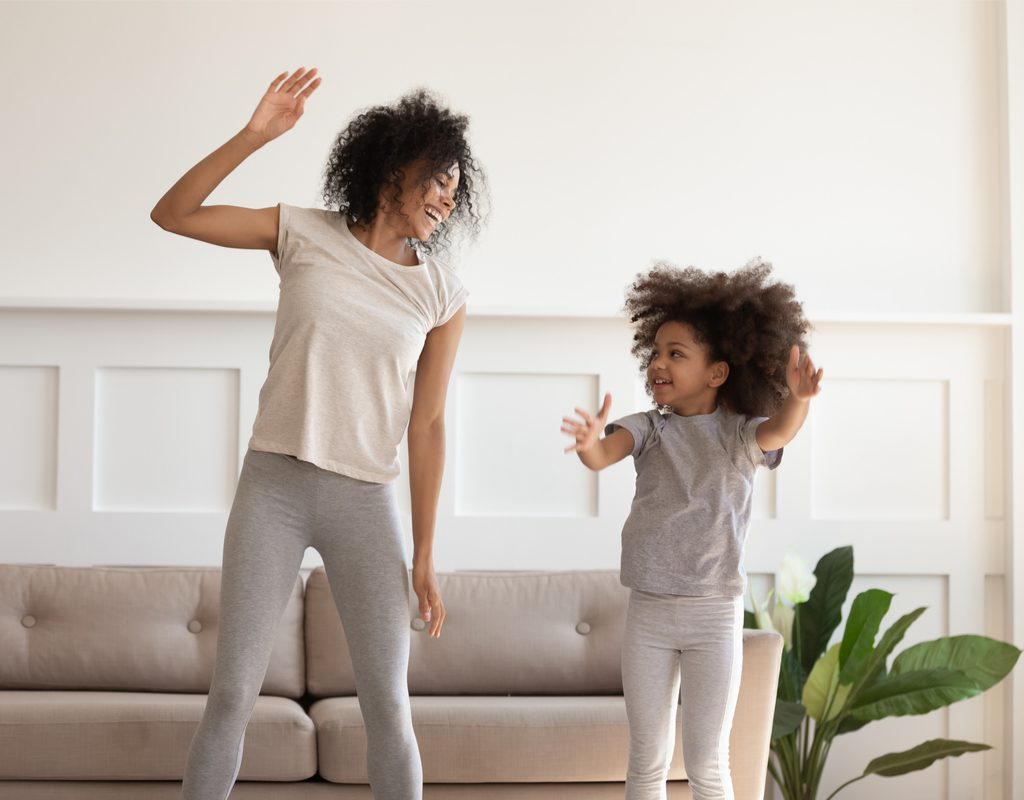
Exercise for children’s growth and development
Physical activity is vital for a child’s development because it doesn’t just develop the body. Playing, running, jumping, sports, dance, and all forms of exercise play a role in a child’s physical, mental, and emotional well-being.
Physical growth
In order for kids to develop healthy bones and muscles, they need to move. When kids participate in different physical activities, they are helping their bones and muscles to strengthen. Strong muscles and bones work to reduce the risk of diseases like osteoporosis when children are older. The heart is a muscle too, and being physically active every day helps to lessen the risk of cardiovascular diseases.
Developing gross motor skills
Gross motor skills involve the large muscles of the body. Unlike fine motor skills, which involve the hands and fingers, gross motor skills incorporate muscles throughout the entire body. Walking, running, jumping, catching are all examples of gross motor skills. In order for kids to develop these all-important gross motor skills, physical activity is a must.
Balance and coordination
While kids are developing their gross motor skills climbing and running around on the playground before heading off to soccer practice, they are also improving their balance and coordination. Both play an important part in a child’s ability to accomplish everyday tasks as well as participate in sports, dance, cheer, or other activities. Having good balance and coordination reduces the risk of injuries too.
Managing weight
The CDC estimates a little over 13% of kids ages 2 to 5 are obese. That percentage jumps to 20 for kids ages 6 to 11. Being physically active for 60 minutes or more each day helps kids to manage their weight. When kids are participating in sports, dance, walking to and from school, or riding their bicycle, they are burning calories and on the road to maintaining a healthy weight. Childhood obesity greatly raises the likelihood kids will suffer from high cholesterol, high blood pressure, and type 2 diabetes later on in life. Some children who are obese struggle with these issues in their teens.
Cognitive development
The fact that physical activity benefits bones and muscles may seem obvious, but it also aids overall child development. Physical activity actually helps the brain. Exercise prompts nerve cells in the hippocampus and prefrontal cortex to increase and construct new pathways. This translates into improved memory and concentration for kids, which in turn boosts academic performance.
Mental health
Don’t kids always look so happy when they are running around on the playground at recess or after school? Of course, they do, because exercise releases endorphins. Endorphins put us in a better mood. This is one reason why daily physical activity is encouraged to help manage stress and anxiety.
Improve social skills
Being out and about on the playground, at practice, or taking part in a dance class is a way for kids to be physically active, but participating is also a way to make friends. When kids are part of a team or activity, they are often introduced to kids outside of their school and neighborhood. Being on a team also teaches kids a lot about responsibility, time management, accountability, and other important life lessons.
Self-esteem
Feeling good goes a long way in helping kids have a positive self-image. Exercising makes your child’s body stronger while simultaneously improving mood, managing weight, and more. All these things combine to nurture a child’s self-esteem. Being part of a team, learning a new physical skill, or excelling in a certain sport or activity helps a child become more confident.

Types of physical activity
There are a lot of ways for kids to be physically active each day. Here are some easy ways to get kids active:
- Walk to and from school or bus stop
- Walk to do errands
- Ride bikes
- Play on the playground
- Recess
- Hide and seek
- Tag
- Sports
- Dance
- Cheer
- Swim
- Chores
Just like adults, being physically active is important for kids, and daily physical activity helps children develop strong bodies and minds. Exercise manages weight, stress, and anxiety while also being a way to make friends and grow their social circle. Most importantly, being physically active sets the tone for a healthy lifestyle. Daily exercise is an important part of reducing the risk of developing certain health problems later in life.