  1. Home
  2. Activities
  3. Stages
  4. Evergreens

The best toddler dance classes for your 3-year-old

Check out these different dance classes that are perfect for toddlers

Add as a preferred source on Google

Encouraging children who love to move and dance to music is a great way to help toddlers cultivate their own independence and personality. Toddler dance classes are a perfect way to allow young children to express themselves in a safe and fun environment.

Toddlerhood can be a frustrating stage of development for little ones, as they don’t always have a way of expressing their feelings and changing moods. Toddler dance classes are a great method for your 3-year-old to not only get some exercise but also channel their emotions through movement while having some fun.

Recommended Videos

There are a number of kids’ dance classes available that focus on different ways of moving, which can be overwhelming for parents who are trying to decide which dance class works best for their 3-year-old. If you’re looking to enroll your toddler in dance class but feel confused by having to choose from ballet, hip-hop, tap, jazz, or even a simple movement class, we are here to help. Keep reading to discover the best dance classes for your 3-year-old to see if there’s one you may want to check out.
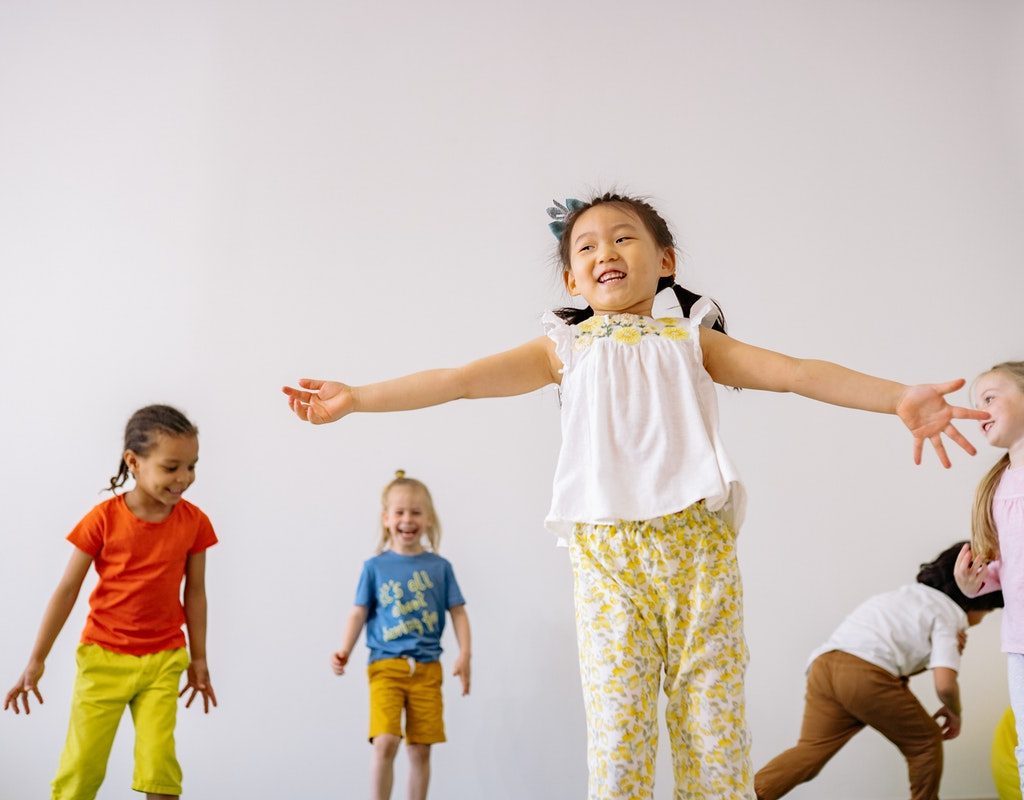
Kids dancing
Image used with permission by copyright holder

Movement classes

Organized activities, like a toddler dance class, require some focus, concentration, and rule-following. If you’re looking for a dance class where your toddler can enjoy music and dancing in a more free-flowing environment, a movement class may be just what you’re looking for. A movement class that introduces young children to the concept of music and movement can also help parents see if their child is even interested in dancing.
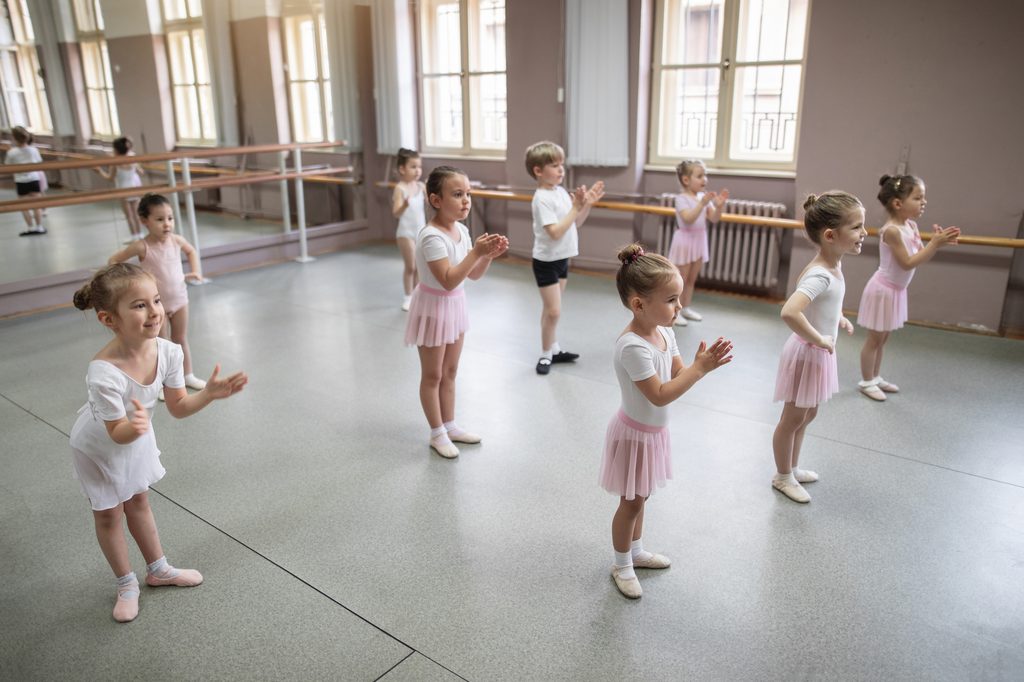
Cheerful toddlers at a ballet dancing studio
Image used with permission by copyright holder

Ballet

Ballet classes are one of the most common “first classes” for toddlers. Dance Parent 101 suggests enrolling your 3-year-old in ballet as an introduction to organized dance classes because ballet teaches children so many fundamentals they will use regardless of which type of dance they take as they get older. Ballet teaches toddlers to point their toes and dance gracefully while it also helps “develop flexibility, increase balance and strengthen their core muscles, which are useful in the practice of all other types of dancing.”
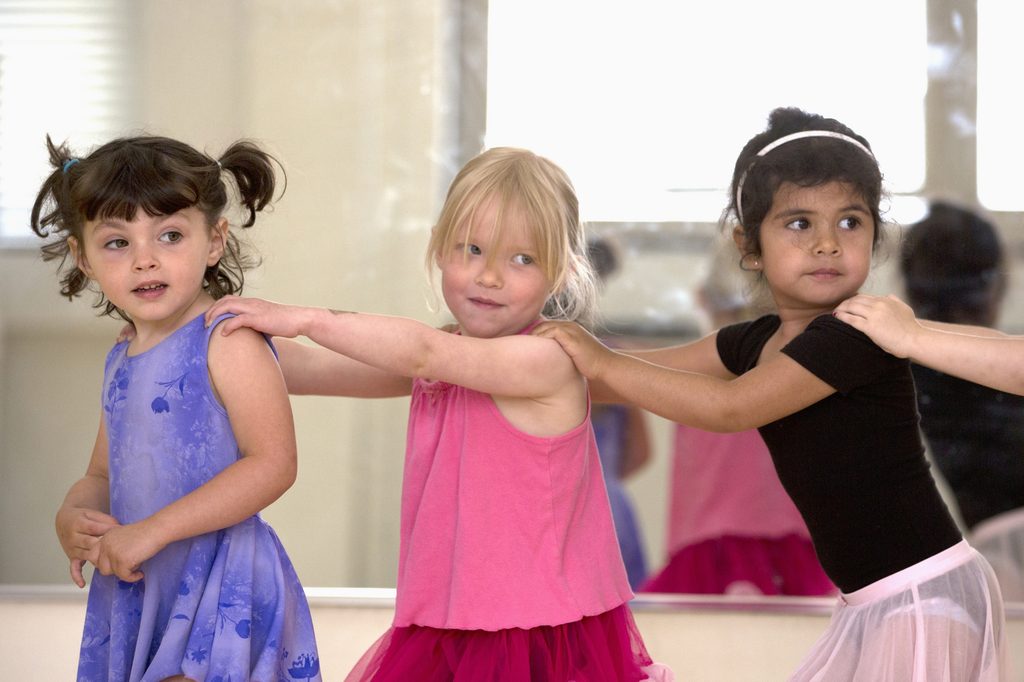
3-year-olds in ballet class
Image used with permission by copyright holder

Tap

Not every toddler is going to be interested in taking a ballet class. If you have a little one who loves to make noise while they dance and express themselves, a tap dance class may be the perfect option. A Dance Place recommends tap dance classes for toddlers “who love to make noise and have fun.”

Not only is tap a great outlet for kids who may have a bit more energy and enjoy making noise, but it’s a good fit for those toddlers who still struggle with coordination. They also note that tap dancing is a great way to inspire toddlers to express themselves while learning in a group environment.
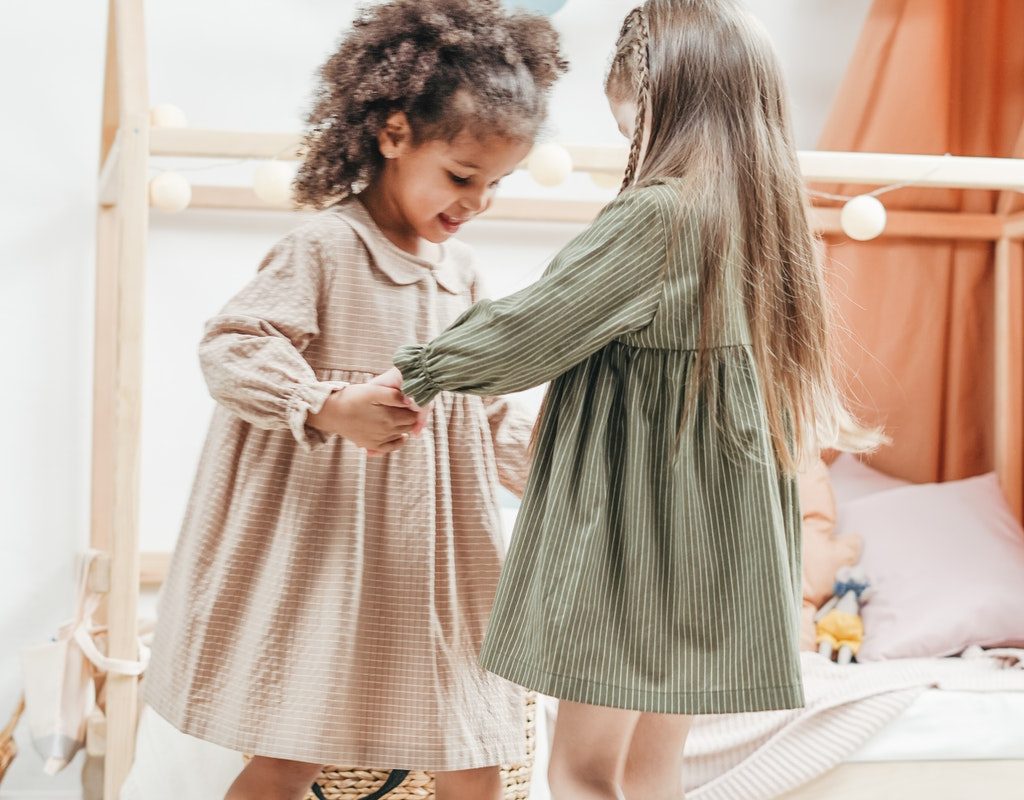
Young girls dancing
Image used with permission by copyright holder

Hip-hop

A toddler hip-hop dance class is perfect for any youngster who loves to move to the beat of current, popular music while incorporating their own personal style. Hip-hop classes teach children the basics of dance while relying a lot on their own improvisation, which is great for those who want to move more freely. Many suggest starting a child who may not enjoy more traditional dance classes, like ballet or tap, in a hip-hop class where they can explore dance more freely.
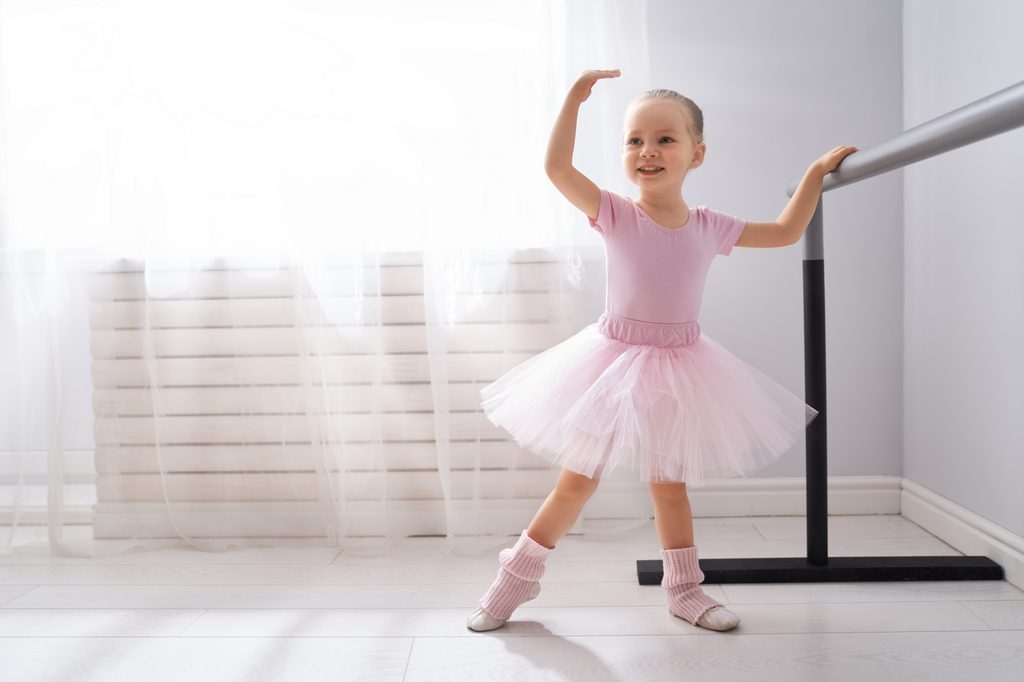
Toddler in ballet class
Image used with permission by copyright holder

Lyrical

If your toddler loves a slower pace while dancing but still enjoys using movement and music to express their emotions, Prestige Dance Studio says a lyrical class may be the right fit. Children enrolled in lyrical dance classes are also typically enrolled in ballet at the same time, as they complement each other well.

Lyrical classes focus on slower, more sustained movements while also encouraging the child to channel their emotions through their movements. A Dance Place suggests lyrical classes for children who love to perform, as it requires a strong connection between the dancer and the music.
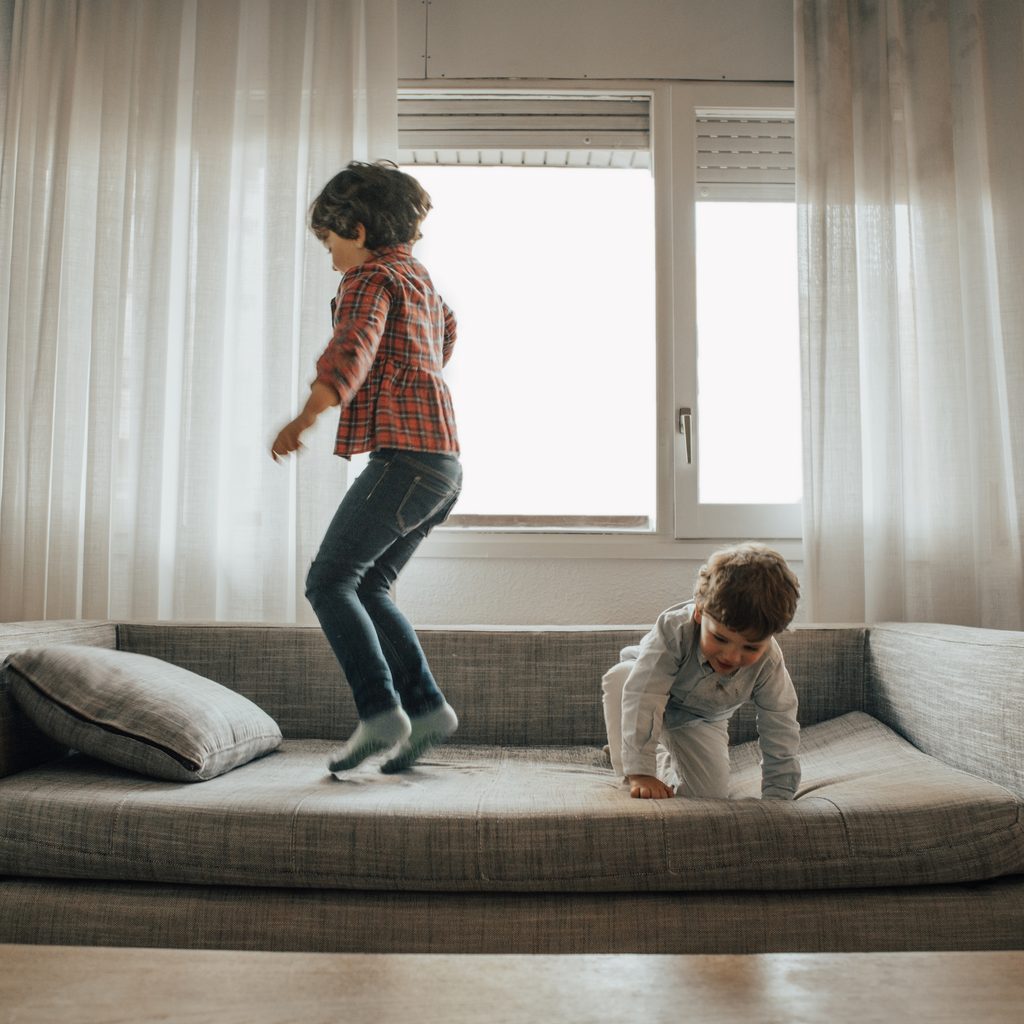
Toddlers jumping on a sofa
Image used with permission by copyright holder

Acro

Is your toddler constantly jumping and tumbling at home? If so, an acro class may be just what they need! Acro, which combines acrobatics with traditional dance, is great for those who love to jump and perform. Dance Class for Toddlers suggests acro is an ideal class for parents who want their kids “to be more physically flexible, balanced, strong, and disciplined.”

Toddler dance classes are a perfect way for children to express themselves through movement and music. It teaches them grace and coordination while also encouraging their own self-expression and creativity. These classes are also a wonderful way for toddlers to socialize with other children as they master different dance skills. With so many options to choose from, there’s a dance class for almost any child.

If you think your toddler would benefit from taking a dance class, reach out to local dance schools or even local community classes to see what’s available and what might be the right fit for your child. Your toddler may even try a few options before finding the class that is perfect for them.

Kelli Catana
Former Author
Is CoComelon ‘Good’ for Kids? Experts Cite Research Pointing to ‘Yes’
Dad brushing teeth with daughter and looking in the mirror with CoComelon

Parents navigating the landscape of kids’ media often question which content genuinely benefits their little ones. Among the most popular kids’ shows today, educational programming like CoComelon has captivated young audiences worldwide, but many caregivers wonder: beyond its ability to entertain, does this musical series offer real developmental value?

Research and child development experts have revealed many details about the educational framework behind the animated series, its potential benefits, and how caregivers can maximize positive outcomes when incorporating such content into their kids’ routines.

Read more
When should your baby be able to stack blocks? Here’s what to know
Know when babies can nest cups and balance blocks by themselves
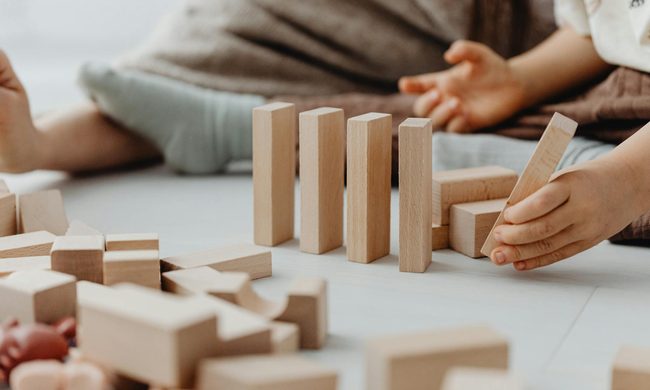
A child playing with stacking blocks

When you’re a new parent, the moment someone gifts your child their first set of blocks, you become obsessed with baby learning and when they should be able to turn the blocks into beautiful creations of their imagination. While stacking blocks are an important developmental milestone for babies, it’s also one of those things that evolves with time and practice. Sitting down to play blocks with your little one is an open-ended game that teaches children physics, resilience, and fun. When can a baby stack blocks and nest cups on their own without your help? Here are some general guidelines so you know how to measure your child’s development with their gift of stacking blocks and how to help your child get the hang of it on their own.
When can a baby stack blocks and nest cups? By age

By 6 months old
At this age, your baby might not be ready to stack blocks the way you want them to, and that's okay. This doesn't mean you can't play blocks with your child or that you shouldn't let your child have fun figuring out what the blocks are. It’s perfectly normal for your 6-month-old to gnaw on blocks or simply hold one, just don't expect them to build the Eiffel Tower just yet.
By 12 months old
This is the stage of banging items against each other and blocks or cups are no the exception. If you offer your child blocks, there may still not be a lot of creativity yet. But keep in mind that knocking things down is a favorite activity of 1-year-olds, so your child is right on track if that's all they do. More likely than not, they’ll be happy to destroy any block tower you build. If your little one can’t get enough of knocking down a stack of blocks, rest assured that they’re right on schedule.
By 18 months old
When can babies nest cups? By a year and a half, stacking is the name of the game. After all, your little one is now officially a toddler and proud of it. If you haven’t done so already, this is a great time to introduce baby blocks. At this point, most kiddos are able to stack two or three blocks on top of each other with ease.
By 2 years old
Don’t be surprised if your baby’s block masterpieces start to get taller by age 2. With improved coordination, your child shows better stacking skills and may be able to balance up to seven blocks on top of each other. This is the beginning of sorting for many young children. If they’re now stacking masters, go ahead and challenge your budding genius to sort their blocks by color or separate them in groups.
By 3 years old
Free play takes a life of its own by age 3. At this point, blocks are much more than meets the adult eye. Your child’s imagination is flourishing, and they’ll start to build tunnels, bridges, or forts with just a few blocks. This is the perfect moment to introduce your toddler to teamwork. If the two of you work together, it’s easier to build tall towers and solve construction problems. Get your child's imagination to full speed and see what they create with blocks of all colors and shapes.
The benefits of stacking blocks

Read more
How to plan a memorable family reunion: Your ultimate guide
Follow these steps when planning a family reunion to remember
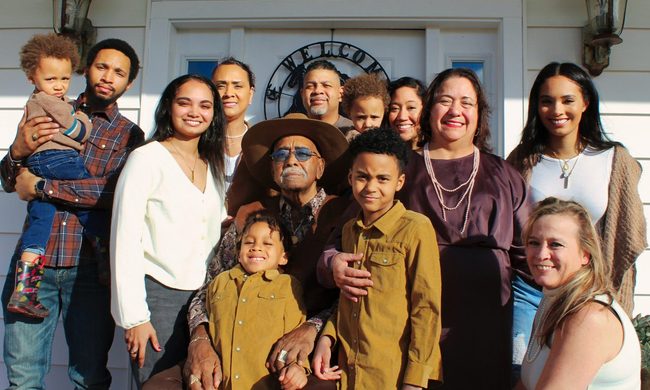
Family posing for a photo at a reunion

No matter how close or far you live from the rest of your family, work and family responsibilities makes it hard to get together. As kids get older and busier it can make getting together even more difficult. Planning a family reunion can be especially daunting though. Logistically, planning a family reunion in advance where all participants can mark the calendar and save the date makes for an ideal plan, but the reality is that is easier said than done. If you have been wanting to get the entire family together, we can help. Here's how to plan a family reunion everyone will enjoy.

Read more