
  1. Home
  2. Inspiration
  3. Evergreens

How kids are using screen time: Surprising stats you should know

What this study shows for children 8 years old and younger

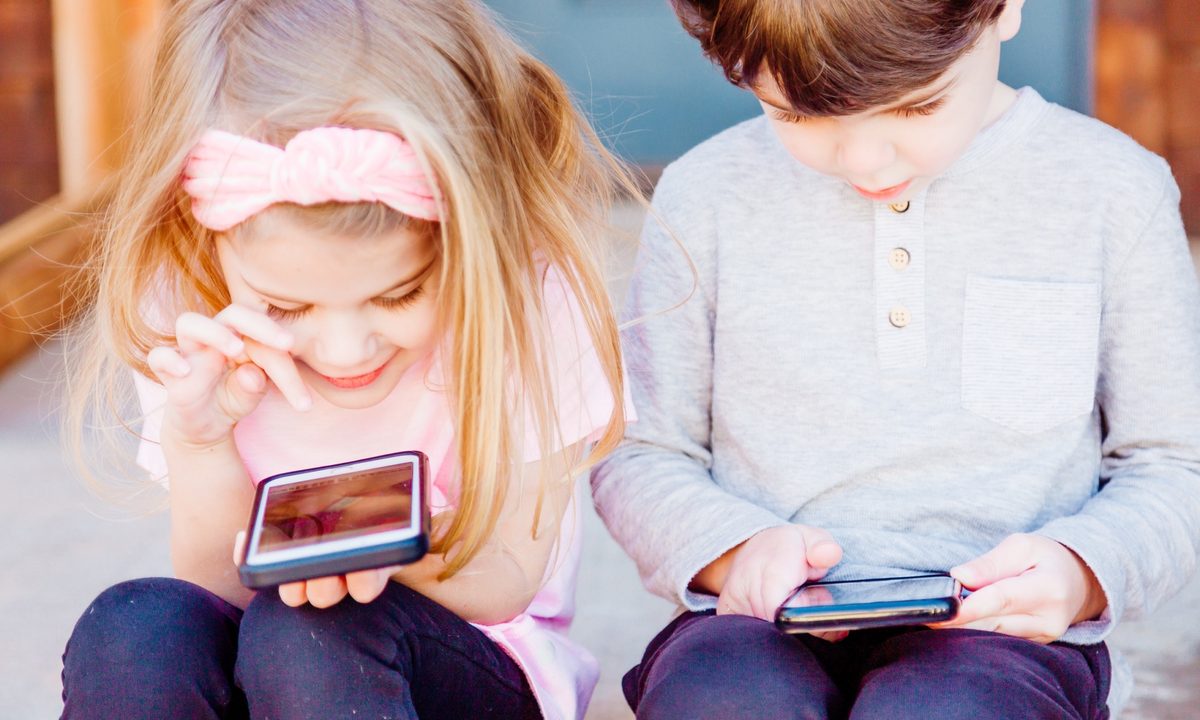
Children on phones
McKaela Taylor / Unsplash

These days, kids are called the iPad generation for how much they stare at their screens instead of being outside and getting dirty. The people at Common Sense Census want parents to understand just how true — or not true — that is with their latest research on screen time usage. See if your kids are over or under the average screen staring time and how your family’s screen habits have changed in rate with the general public, according to this kids’ screen time study.

Kids’ screen time study
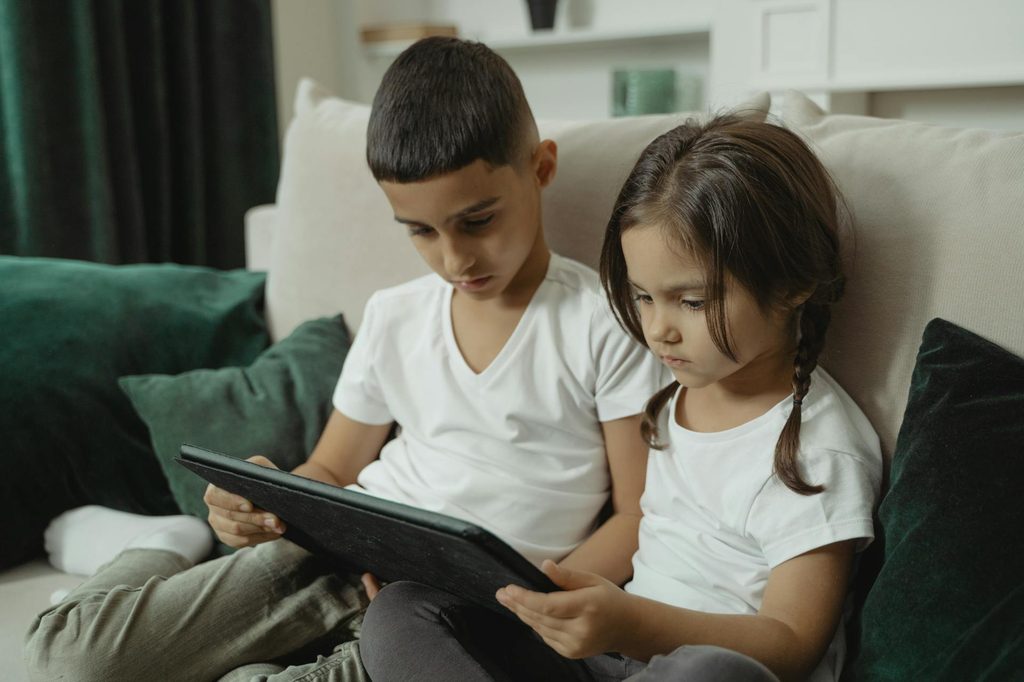
Two children looking at a tablet.
Tima Miroshnichenko / Pexels

The study done by the Common Sense Census focused on children 8 years old and younger. The last study was done right before the pandemic in 2020, so it’s interesting to see how kids’ screen time has been impacted since.

Recommended Videos

There are more ways than ever to have screen time

Between tablets, phones, laptops, and television, children have access to more electronic devices, so it shouldn’t be too surprising that children’s media usage has increased. If you are a millennial parent, you had Saturday morning cartoons and maybe TGIF when you were older. The concept of a tablet or cellphone wasn’t even a thing. With all of the additional ways children have to stare at a screen these days, an increase in watching time is inevitable. 

The study’s findings
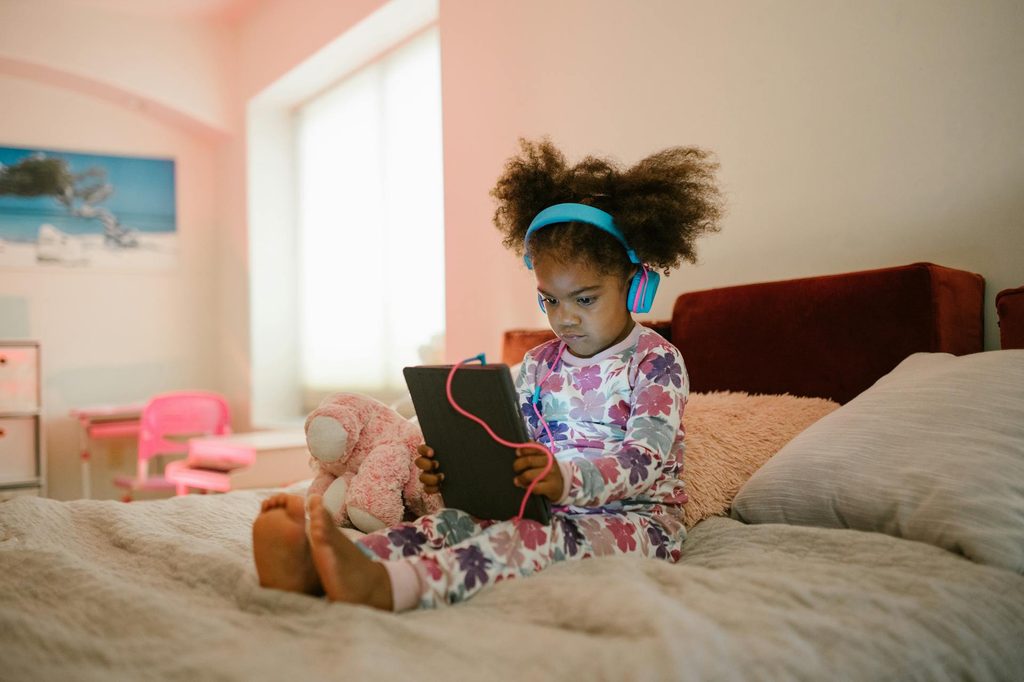
A child sitting on a bed, on a tablet with headphones on.
RDNE Stock project / Pexels

If asked what percent of kids had a tablet by the age of 2, what would you guess? What age do you think a child has a cellphone? The kids’ screen time study asked the burning questions.

  • By 2 years old, 40% of kids have a tablet
  • By 8 years old, one in four kids have a cellphone
  • Kids’ screen time totals 2.5 hours on average
  • In four years, video gaming has risen 65%
  • TikTok and YouTube Shorts have kicked television watching down the list

Almost half of all kids have a tablet by the time they are 2 years old. That might sound insane, but look around the next time you’re at the store and see how many kids are kept quiet by looking at a screen. At 8 years old, a kid is in second grade, and a quarter of them will have a cellphone.

But the kids aren’t sitting in front of a television or laptop to watch shows. In the last four years, video game play has jumped by 65%. With options like Discord and Meta headsets allowing kids to talk to each other while they play, video gaming has a better allure than watching the latest season of a show on Netflix.

With the attention span kids have in modern times, the ease of watching a short video on YouTube or TikTok is more popular with the younger generation. Sitting down to watch a whole episode or series of a show seems to be a parent’s game.

The time kids spend on their screens doesn’t always line up with the time experts recommend children spend on screens. But between the television, tablets, phones, and laptops, kids will find a way to get in front of a screen. Not every family can stick to a no-screen rule every day, and not every family wants to purchase electronics for all of their children, but see how your family averages compare to this kids’ screen time study.


7 noncompetitive games every child will enjoy
Games that get everyone in on the action no matter their competitive level
Group of kids playing improv game outside

Most types of games have winners and losers. While many kids, especially sports minded ones, thrive on the excitement of competition, not all children do. Some actually shy away from competitive sports at recess or in their free time because of the stress and frustration it causes. Just like when we were kids, no one likes being the last player picked in gym class or on the playground. Of course, there isn't anything wrong with playing competitive games. They teach kids an important skill set, but so do noncompetitive games.

Noncompetitive games for kids are nothing new. They're played at school and summer camps. In noncompetitive games, the emphasis is not on winning. Instead, noncompetitive games for kids are more about the activity itself as well as working together to achieve a common goal. Think about games involving a parachute. All the participants have to be engaged in order for the activity to work. Noncompetitive games offer benefits too. They encourage social interaction, they help kids work on hand-eye coordination, and they develop self-esteem and self-confidence while fostering cooperation.

Read more
Cruise lines that teens will love: Our top picks
The entire family can enjoy their vacation on these cruise lines
Disney Cruise ship

When you have teens, you know how hard it is to figure out a vacation that will cater to everyone in the family. It's a mental game of finding somewhere to go where the parents can have time by themselves at least once, the kids can have so much fun they won't even want to look at their phones, but there are still activities for the whole family to come together and make memories.

If you think that is an impossible task, have you thought about taking the family on a cruise? With a variety of activities and zones for each family member to separate out or come together, these are the best cruise lines for teens — and the rest of the family — to enjoy their vacation the way they want.
Before you book a cruise

Read more
This is how much time you spend negotiating meals with kids
Parents should know the total time they negotiate with picky eaters in a year
A toddler not wanting to eat their food

Every parent has pleaded, tried to bargain with, and shamelessly begged their child to eat just one bite of food off their plate. Every parent has had their child tell them they don't like that food anymore when they just ate it last night. Every parent can tell you who their picky child was or what that one comfort food was they would only eat for the entire year. When it comes to the time you spend convincing your child to eat, how long do you think you've spent? Here is the total time parents spend using all their energy to negotiate with picky eaters.
How many hours parents battle with a child's eating habits

In just one year, a parent will spend an average of 67 hours in negotiations with a child to get them to eat their food. Think of all the shows or sleep you could catch up on in that time. A survey of 2,000 American parents with kids of school age found that 44% of the adults stated the constant battle of wits about food is negatively impacting their child's diet.

Read more