

Most parents know the frustration of dealing with a baby who is suffering from colic or constipation. It can be hard feeling so helpless while watching your baby suffer. For generations, seasoned parents have shared their own tried-and-true solutions for constipation or colic with new parents. Chamomile is one of those solutions that has been traditionally used as a “home remedy” for various ailments, including insomnia and digestive issues. The tea is manufactured from the chamomile flower and is known for its mildly sweet flavor that tastes reminiscent of apple.
While chamomile has long been used as an herb that treats a spectrum of issues, is it safe to use chamomile tea for babies’ maladies? And if so, how old should they be before trying this? We’ve researched to find expert insights into this subject, and we’ll share with you whether babies should be given tea — along with some essential precautions to consider.
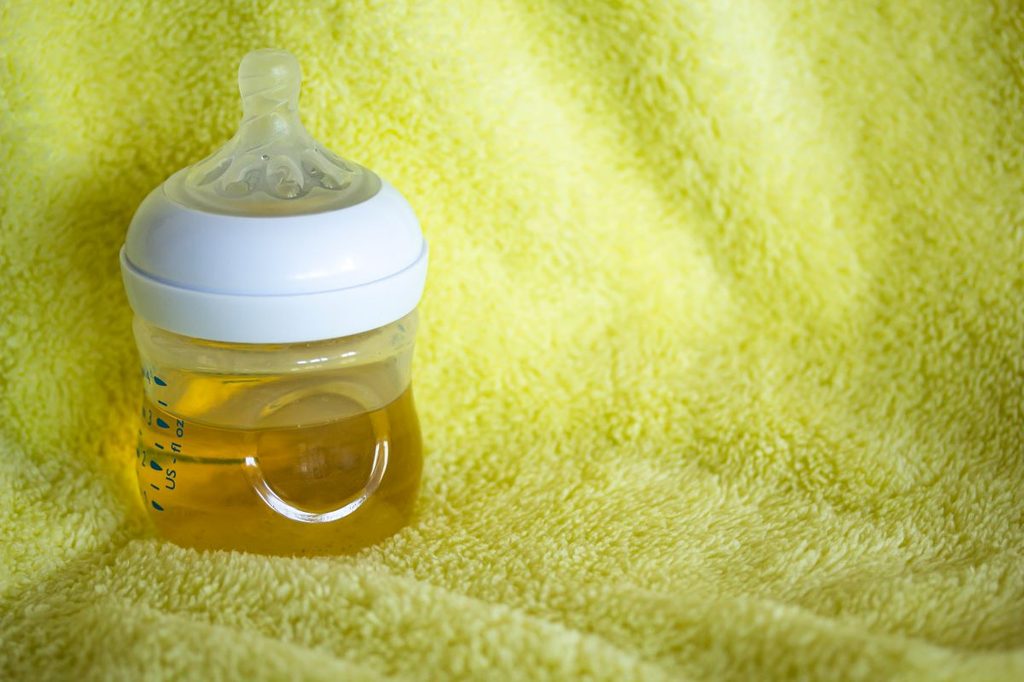
Can babies drink tea made from chamomile?
The American Academy of Pediatrics recommends that parents wait at least six months after birth before introducing babies to any other foods or beverages. Naturally, this would include chamomile or any other type of herbal tea. In fact, Kathi Kemper MD, the managing director of the Center for Holistic Pediatric Education and Research at Children’s Hospital in Boston, weighed the usage of most herbs, including chamomile, that are known to have medicinal qualities that help children. However, as she noted in her February 2007 report in Pediatrics in Review, more research is still needed to ascertain the safety and effectiveness of chamomile.
However, Paula Gardiner, MD, shared the findings from her study that was published in the same year. The results from the study appeared to affirm that chamomile is safe to give to babies who suffer from colic. The research involved 68 healthy babies between the ages of 2 and 8 weeks. They received tea that contained chamomile, fennel, licorice, and other herbs. At the end of the study, researchers found that after seven days, 57% of the parents reported that their children’s colic symptoms were alleviated.
As you can see questions about chamomile tea for babies don’t have a definitive answer because experts seem to agree that more research is necessary. Plus, you have other factors to think about, such as your baby’s age and the amount given versus your baby’s weight. The best option is to check in with your pediatrician if your baby’s colic can’t be relieved, or if your baby has any issues with digestion or sleep.

Vital considerations about chamomile tea for babies
At the same time, some experts outright advise against using chamomile tea for babies or using it only in moderation and with caution. For instance, Sara Schenker, a registered dietitian, mentions that a small amount of chamomile wouldn’t harm your baby, but you shouldn’t use the herb as the cure-all for colic, tummy trouble, or sleeplessness. In fact, Schenker cautions that if you’re using chamomile often, then you should contact your pediatrician instead of trying to diagnose and treat the condition.
In addition to the warning about quantity and frequency of use, Schenker also notes that some brands of herbal teas contain sugar, which would promote tooth decay even for developing teeth. Thus, she warns parents to read labels carefully.
As well as the sugar content, she also reminds parents that some herbal teas, like chamomile, might be mixed with black tea, which contains caffeine. At such a young age, caffeine isn’t a good idea, especially since your little one is still getting accustomed to a regular sleep/wake cycle. Plus, this type of tea contains tannins that block iron absorption, which could adversely affect your baby’s growth and development. All in all, Schenker warns parents to stay away from any additional drinks prior to 6 months, especially if breastfeeding.
Alternatives to chamomile tea
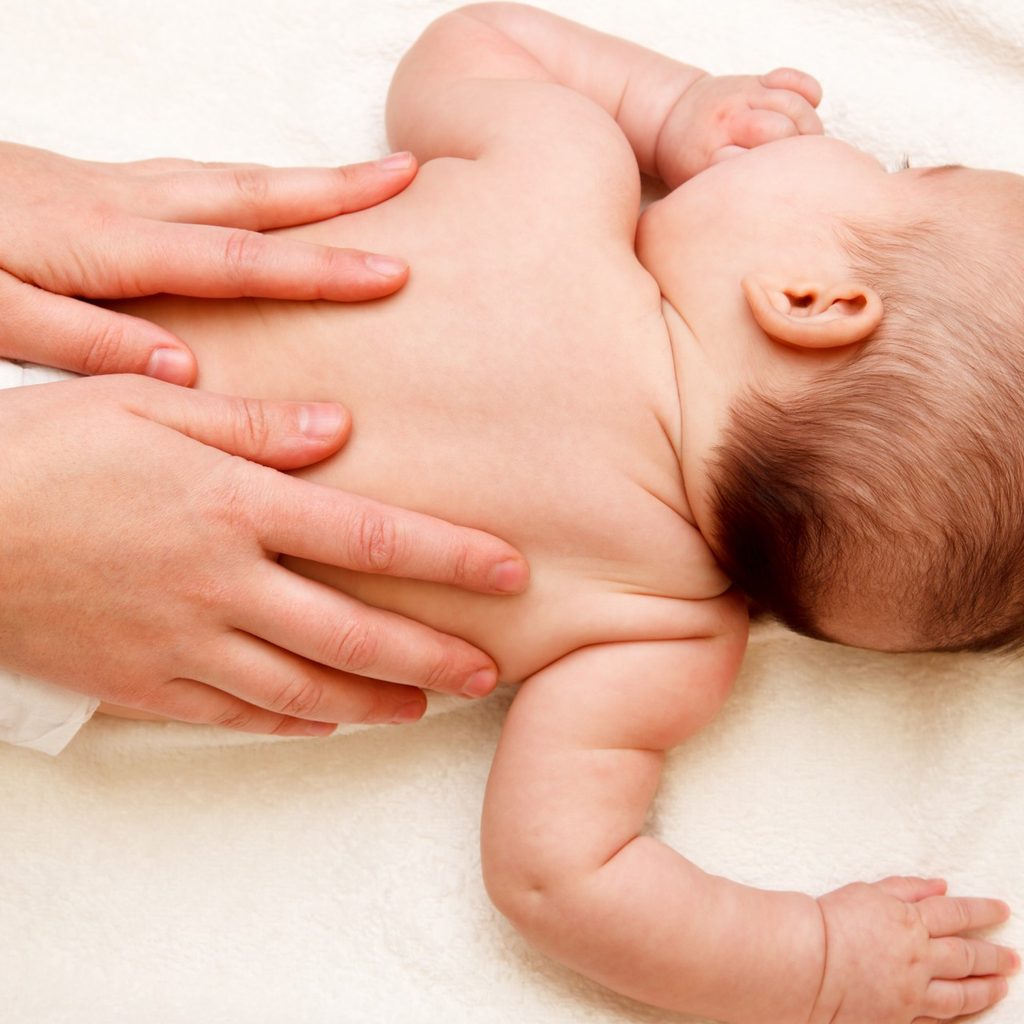
While chamomile tea can be effective in reducing colic and relieving constipation, there are other methods you can try if you’re not comfortable giving it to your baby. Giving your baby a warm bath to help them relax, massaging their tummy in a circular direction, and bicycling their legs are all ways to help get things moving and alleviate constipation.
Gripe water, massage, and swaddling have also been known to help soothe a baby who is suffering from colic. Using a soother can also help by triggering the sucking reflex. Don’t hesitate to reach out to your doctor if your baby seems to be inconsolable due to colic or constipation.
The key takeaway about chamomile tea for babies
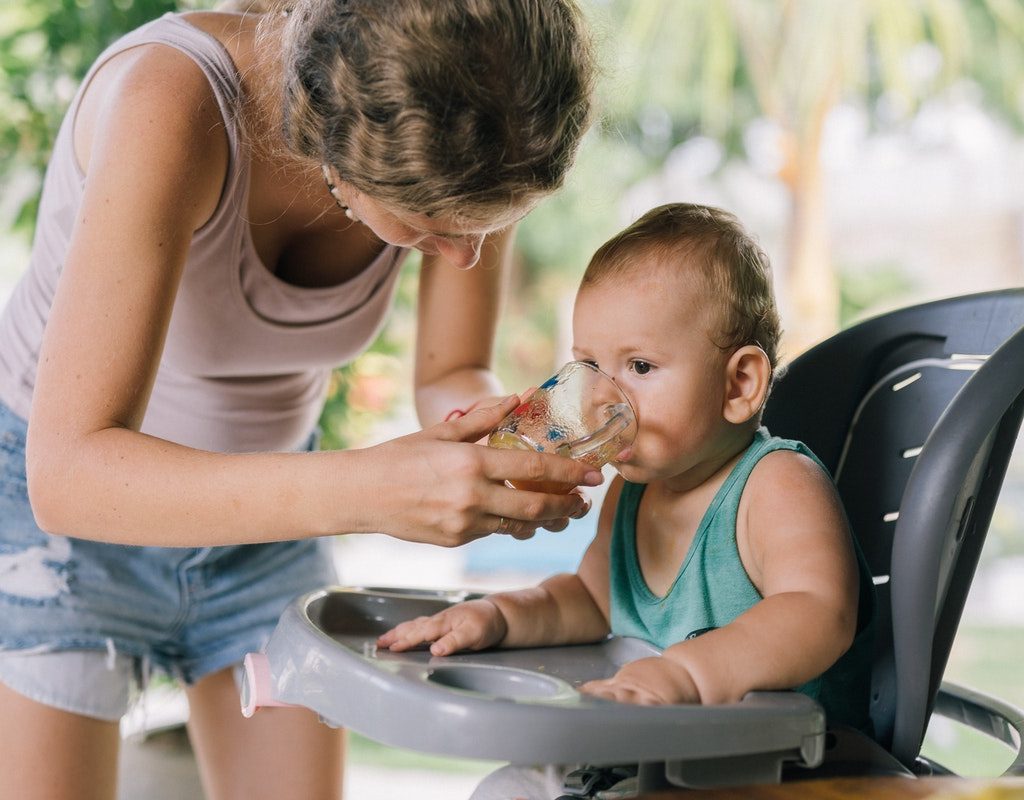
Consulting your pediatrician about whether to give your baby chamomile tea is the best option. On the one hand, this herbal tea has been known to have many benefits, one of which is easing constipation. The perks related to chamomile tea are the decrease in colic and fussiness. However, there may be risks associated with using chamomile tea for babies. These may include nausea, lethargy, an allergic reaction, and diarrhea.
Conclusively, the best option is to refrain from using chamomile tea for babies until they are older. To gain some of the benefits from chamomile, you can stick with bath gels or lotions for babies infused with this herb.