

If you’re noticing a red bumpy rash on your baby’s chin or cheeks, you could be dealing with a drool rash. Many babies have a drool rash at one time or another. A drool rash is caused by saliva sitting on baby’s delicate skin. The rash is caused by a baby’s drool.
Of course, drooling is a common occurrence for babies. Most babies drool, especially when teething. Sometimes drooling happens during sleep. So, what can you do to prevent a drool rash or treat it if your baby has one? Is a drool rash something to call the doctor about? We’ve got everything you need to know about this common problem most parents deal with at some point with their little ones.
Drool rash
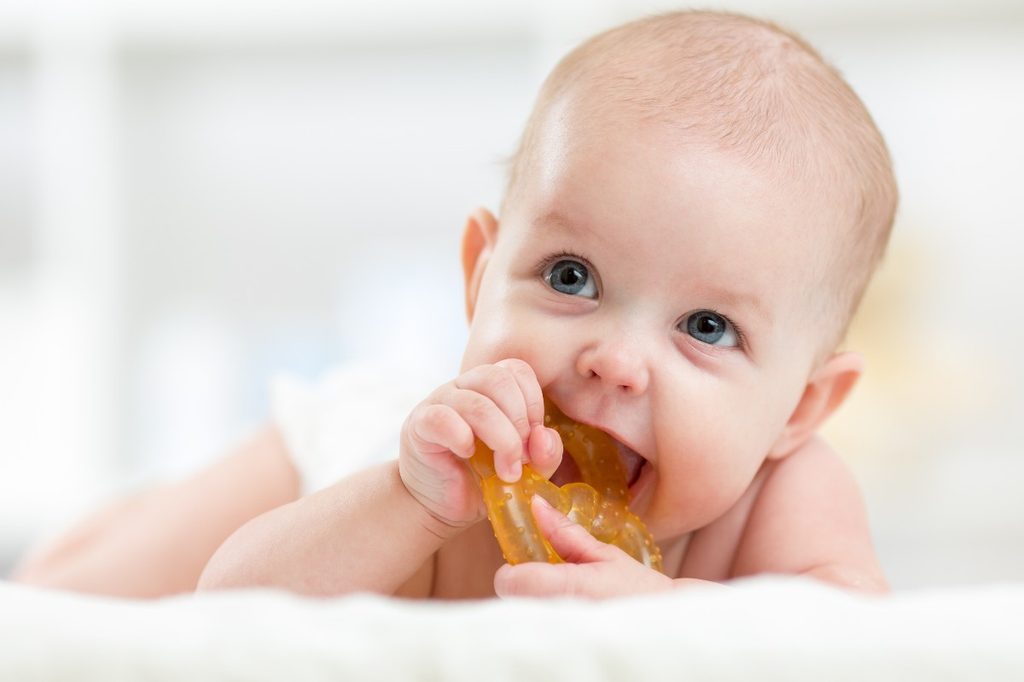
A drool rash can form on babies when saliva rests too long on that smooth and very sensitive skin. Drool rashes typically appear on the chin, cheeks, and sometimes even the neck. A drool rash is a common type of contact dermatitis caused by prolonged exposure to the moisture of saliva on the skin.
Some babies may get a drool rash from a pacifier that traps saliva between the mouth and binky. The rash usually looks like a red, bumpy patch, but it might also be red and flat. Some drool rashes can be uncomfortable for babies, causing itchiness and irritated skin that may feel sore.
When can babies get a drool rash?
A drool rash can occur at any time from infancy and even into toddlerhood. However, drool rashes are most common during the 3 to 6-month period, which is typically when babies begin cutting teeth. Excess drool often accompanies teething, but some babies drool even when they’re not teething.
Can a drool rash be prevented?
Since drool is a commonplace thing with babies, it can be difficult to prevent. That doesn’t mean you can’t try, though. Since the cause is the saliva sitting on the skin, one way to try and prevent a drool rash is to keep the skin around the mouth dry.
Having your baby wear a bib is one way to soak up the saliva running down from the mouth. You can also gently dry the skin by dabbing at the drool with a bib, clean cloth, or tissue. Another option is to apply a thin layer of petroleum jelly on baby’s chin and cheeks. The petroleum jelly acts as a barrier to keep the saliva from coming in contact with the skin.
Treating drool rash

Of course, even if you’re diligent about gently drying the saliva from your baby’s skin, a drool rash may still develop even with Vaseline. So, if a drool rash begins to appear on your baby, the treatment is pretty much the same as trying to prevent one. Continue to keep gently patting the saliva off of baby’s skin and applying petroleum jelly.
At bath time, carefully clean the affected area with warm water, a soft cloth, and a mild, unscented soap. Avoid putting any lotion on the drool rash because it may burn and cause further irritation. Always pat dry, and don’t rub the drool rash. After the bath, apply a thin layer of petroleum jelly.
If your baby is teething, you can try using cold teething rings to soothe baby’s gums. The coolness of a teething ring will also soothe the drool rash. Be sure to pat the skin dry when baby is finished with the teething ring. Remember not to freeze teething rings. Refrigerating them is all you need to do to make them cool.
When to call the doctor
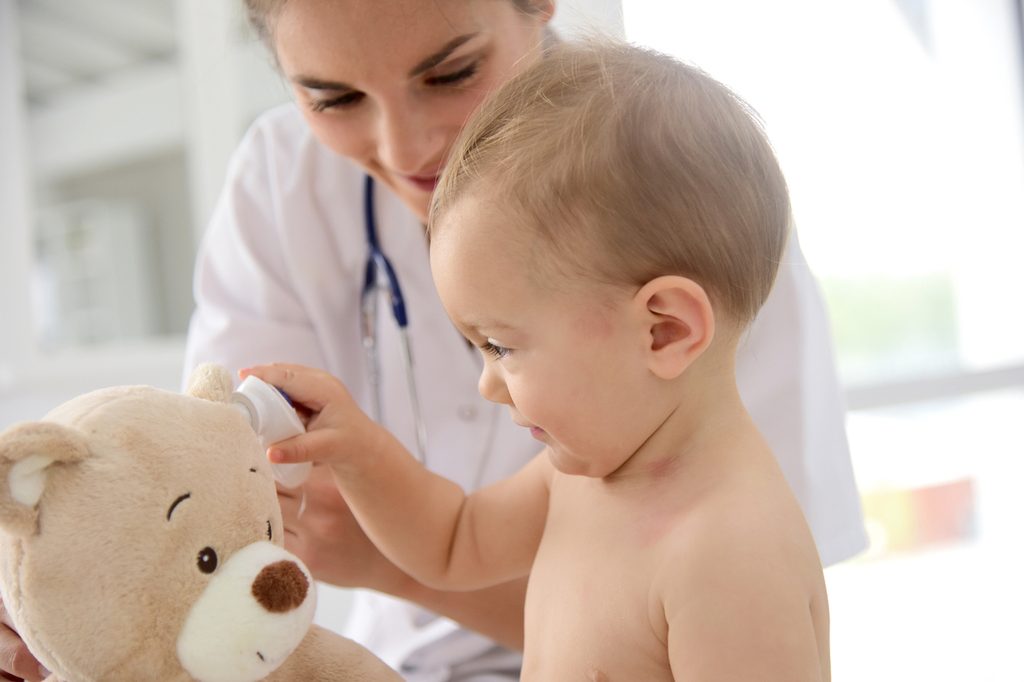
It’s always unnerving to see a rash on your little one. Remember, a drool rash is common in babies. Most drool rashes clear up in a week. There are times, though, when you may need to consult your pediatrician. If your baby’s drool rash isn’t getting better with the at-home treatment of drying the area and applying a barrier ointment like Vaseline or lasting longer than seven days, contact your pediatrician. Your doctor may tell you to use an over-the-counter hydrocortisone cream or prescribe a prescription cream. Other symptoms you need to call the doctor include:
- Spreading of the drool rash
- Rash is itchy and causing your baby discomfort
- Rash is developing blisters
- Rash is oozing
- Rash is crusty
- Your baby has a fever
Is it drool rash or eczema?
Drool rash is a type of contact dermatitis. Eczema is atopic dermatitis and is a common skin condition many babies deal with. Unlike a drool rash, eczema is not caused by saliva, but can look like a red, bumpy rash. It can also appear around the mouth. According to the National Eczema Association, the exact cause of eczema isn’t known, but it’s thought to be caused by environmental allergens as well as genetics. If there’s a family history of eczema or you suspect your baby’s rash may not be caused by drool, talk to your doctor.
Most babies and even toddlers deal with a drool rash at some point. A drool rash is caused by prolonged exposure to saliva. All babies drool, mostly when those teeth start to come in. Other babies may drool even when they’re not cutting teeth. The best way to try and prevent a drool rash is to keep baby’s gentle skin dry. Applying a light layer of a barrier ointment like petroleum jelly can help, too. Drool rash usually gets better on its own with those same preventative measures in about a week. If not, call your doctor. Sometimes a drool rash can make babies pretty uncomfortable. With this go-to drool rash guide, you’ll know what to do and when to call the pediatrician.


