Loud noises can be annoying for most people, but for a baby, loud noises can negatively impact their hearing. Noisy environments can be more than just scary to your little one. The alarming fact is that long-term or even short periods of exposure to especially loud sounds can damage your newborn, infant, or toddler’s sensitive inner ear — potentially leading to noise-induced hearing loss.
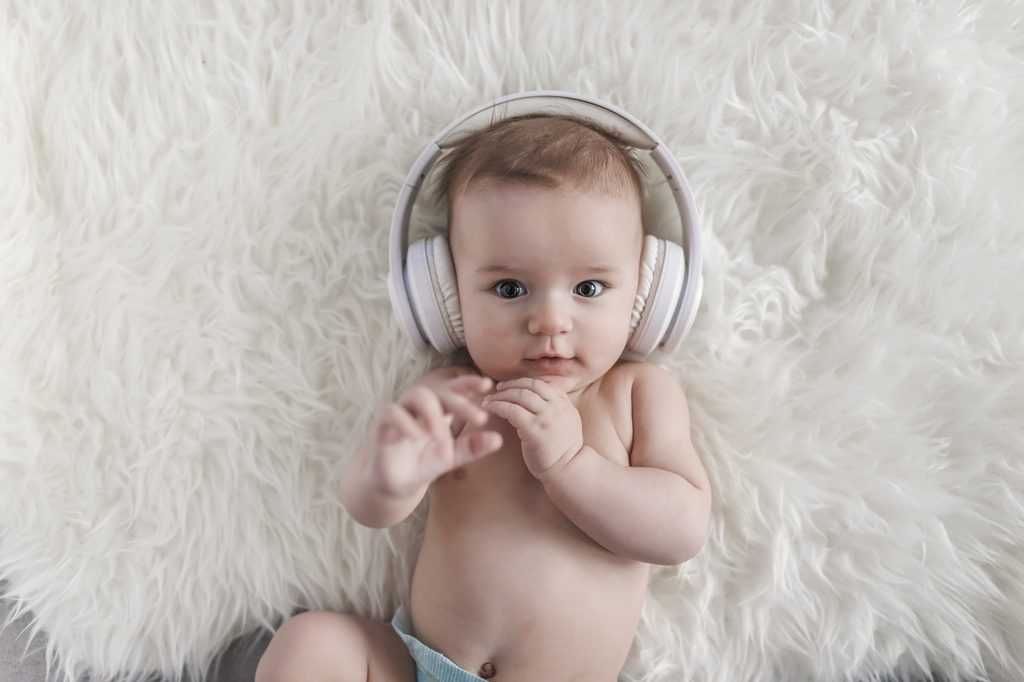
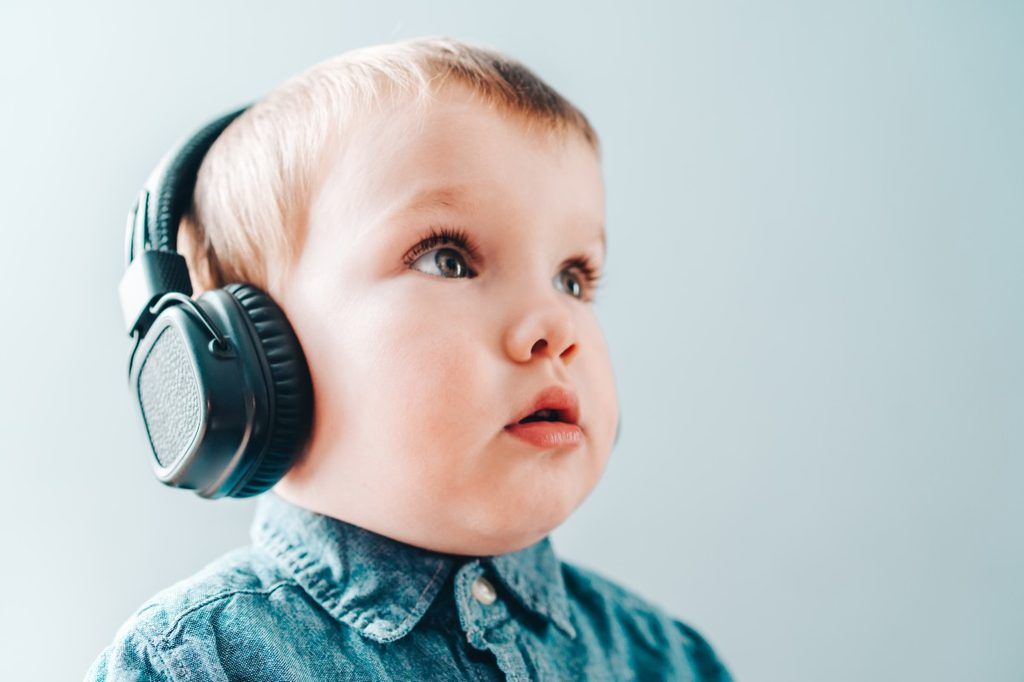
Unfortunately, severe damage to the hearing nerve is irreversible. If you suspect your young child may have some hearing loss, you will want to ask a doctor or specialist to perform tests. To help prevent hearing loss, you’ll want to do everything you can to keep their ears healthy and safe, like getting a pair of baby earmuffs for your little one. Headphones for infants can actually give little ones the protective benefits of noise reduction. Want to know when to slap a pair on your peanut? Read on for all the important tips and info.
8 times your baby definitely needs ear protection
Volume is measured in decibels or dBA. Anything above 85 dBA can potentially harm your babe’s ears, so you will want to have age-appropriate headphones or baby earmuffs handy. Potentially dangerous, high-volume situations include, but are not limited to:
- Indoor and outdoor concerts and live shows
- Firework displays
- Sporting events
- Large events (i.e., weddings and parties)
- Flying in an airplane or sometimes, while using other forms of mass transportation
- When requiring a nap in a noisy environment (noise-reducing headphones can help them get to sleep despite perpetual auditory disturbances)
- At busy indoor restaurants, etc.
- Nearby loud construction work
If you are not sure if a venue is too noisy for your baby, you can also try downloading a sound-level meter app on your phone. If the approximate measurement comes in at around or above 85 dBA, consider putting a pair of muffs over your sweetheart’s adorable little ears.
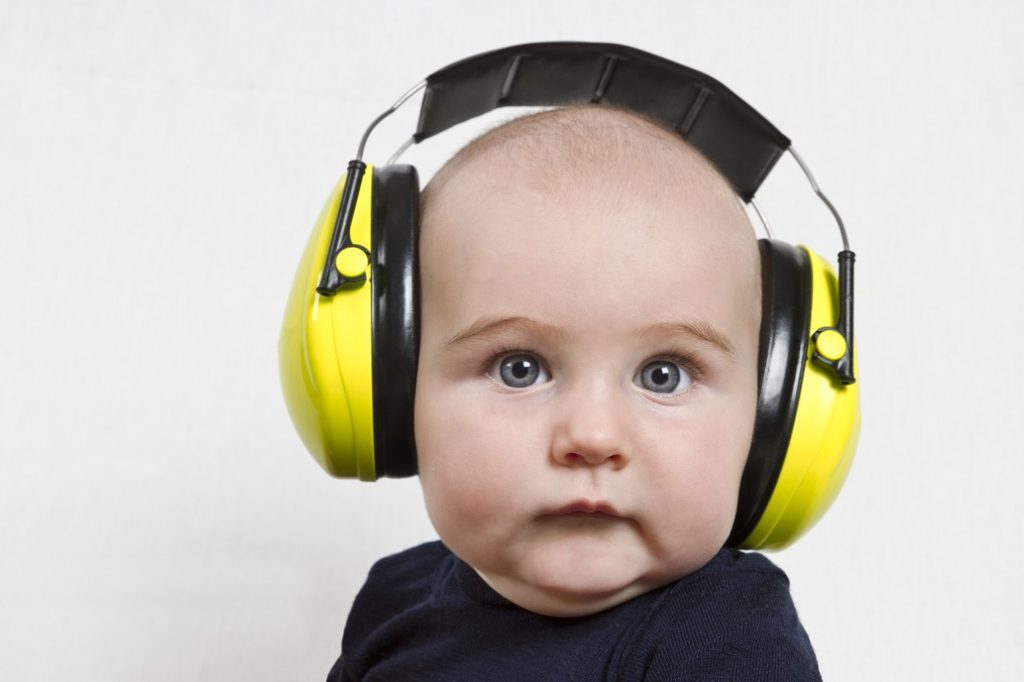
What type of ear protection should you purchase?
Not all baby earmuffs for noise are created equal. You will want to do your due diligence before purchasing any old pair, and look for a few specific and important features:
- First, you will want a pair that is age appropriate and designed with your infant or toddler’s small size and head circumference in mind. That means a band should fit well (cozily) and feel comfortable.
- Look for the noise-reducing level on the packaging. A pair with a higher noise reduction rating (NRR) will reduce more noise. Ideally, you want the NRR to be around 30 dBA or more.
- Avoid small plugs or ear inserts for babies and toddlers. These can easily get lodged in tiny ears, get lost, or even pose a choking hazard (toddlers will be toddlers, after all). Instead, opt for over-the-head baby earmuffs. These are the best (and safest) bets at this stage and age.
- Look for a pair that offers ample padding at the ear. If you are planning to be somewhere loud for an extended period of time, you will want to make sure that your little one stays comfortable, keeps them on, and maybe is even able to nod off while wearing them.
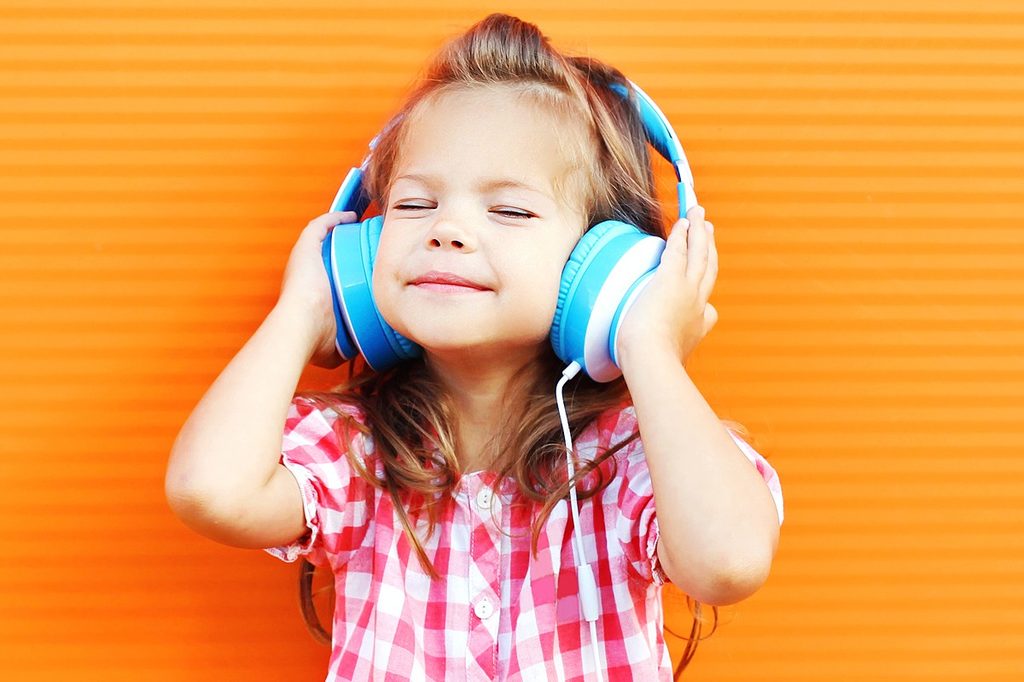
Is hearing loss a real risk?
You may think that your baby doesn’t need earmuffs, especially if you don’t think they’ll be exposed to loud noise for any extended period of time, but the Minnesota Department of Education notes that hearing damage can occur during a brief exposure to extreme loud sounds or consistent exposure to moderate level noise. They also found that an estimated 1 in every 8 children aged 6-19 years have permanent hearing loss due to noise.
If you think something may be too loud for your baby, you’re probably right. “Noise that is potentially dangerous to an adult is even more dangerous to a child,” Levi A. Reiter, head of the audiology program at Hofstra University, told the New York Times. Baby earmuffs can help protect your child from,
You want your baby to be able to hear all those sweet soft lullabies, those smitten coos, and the adoring “I love you” whispers. That is why it is important to safeguard their tiny, sensitive ears from day one. Under normal circumstances, you won’t need to do anything, but if you are in a loud or disruptive environment, you will want to take some precautions and have noise-reducing headphones or earmuffs ready. No need to skip out on concerts, shows, and other life events with your littlest family member in tow, just be prepared and keep them protected.