Parents try their best to prepare for their baby’s arrival. One way to ensure that you’re ready is to gather items for a baby medicine kit.
Any parent wants to protect their children from any ailments or injuries. However, accidents and illnesses happen. Thus, having the right equipment on hand is important. So what are some essentials of baby first-aid kits? Find out!
Thermometers
Fevers are scary, especially when you have a baby who is just a few weeks old. Parents can probably tell just by holding the baby if he or she feels warmer than usual, but the sense of touch can’t give an exact measurement.
This is where thermometers are vital. Here are some of the most common types:
- Rectal
- Ear
- Forehead
- Contactless
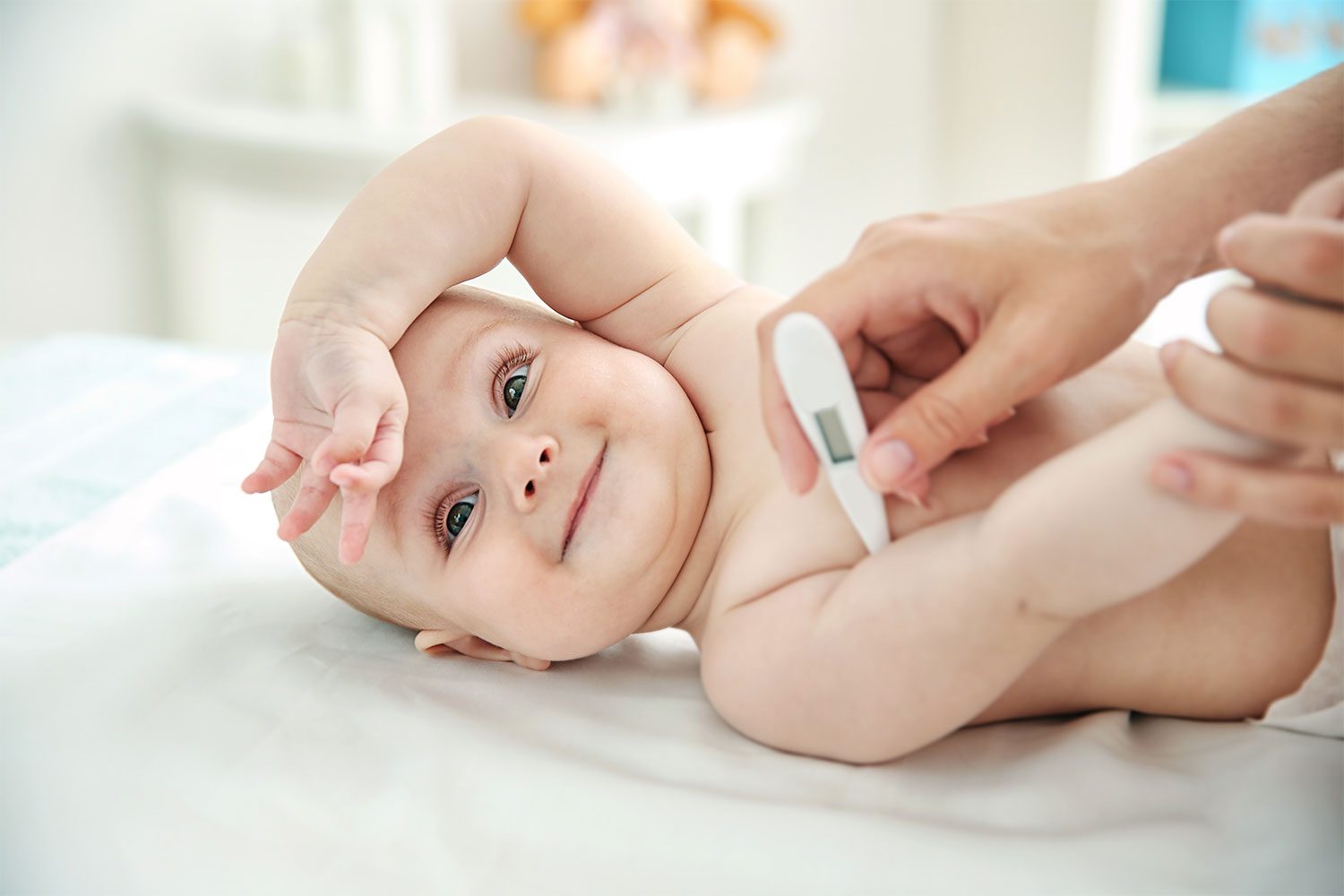
Also, oral and underarm digital thermometers are options for older infants and toddlers who can be held still.
In the event you question the accuracy of any type of thermometer, your pediatrician would be the best source of information.
Baby nail clippers and tiny emery boards
Keeping a set of nail clippers and fine-grain emery boards that are specifically made for babies is imperative. During the first month, babies can’t control fine or gross motor skills, which leave their tiny faces vulnerable to scratches from their fingernails. So for proper hygiene and for safety’s sake, finger and toenails both need to be trimmed two or three times a week.
During the first three weeks, emery boards come in handy if you’re still a bit nervous about using a nail clipper on such tiny fingers and toes. You run less risk of trimming your baby’s nails too short; plus, filing might be easier than clipping, especially when your newborn is asleep, winding down, or pleasantly distracted by the crib mobile.
Once you graduate to nail clippers, you can still trim their nails while they’re asleep or in a calm state if this has worked out best so far. Also, another alternative to consider is to trim their nails shortly after their bath since nails tend to be softer after having been immersed in water for a while.
Nasal aspirator and saline nasal drops
Another important item for your baby’s medicine kit is the nasal aspirator. Very few maladies are more miserable than a stuffy nose. To top it off, not being able to breathe properly cuts into eating and sleeping time, making baby even more miserable.
This is where the aspirator and saline nasal drops come in handy. Better yet, your baby won’t have the side effects of over-the-counter cold medicine. By gently spraying the saline solution inside of your baby’s nose, you’ll clear out the sinus congestion in no time at all.
Gas drops
Aside from the stuffy nose, another alarming scenario involves gas that can also keep your baby from sleeping and eating properly.
Gas drops work effectively if burping and gently rubbing your baby’s back hasn’t helped. The main ingredient, simethicone, breaks up gas bubbles, making them easier to pass. Also, gas drops can be mixed with formula, breast milk, or administered directly to the baby.
Pain reliever/fever reducer
In the event you actually need over-the-counter medication, an infant formula of acetaminophen or ibuprofen would do the trick. Either medication effectively brings down your baby’s fever long enough to get to a pediatrician’s office or an urgent-care clinic where your doctor will give you more detailed instructions for dosage and frequency.
Diaper rash cream
Diaper rash cream is really a miracle worker, especially since babies have such sensitive skin. Other benefits of diaper rash cream (also known as zinc oxide) include:
- Soothing skin irritation and chapped skin
- Forms a protective layer between the skin and the diaper
- Treats redness and itching
Cotton balls
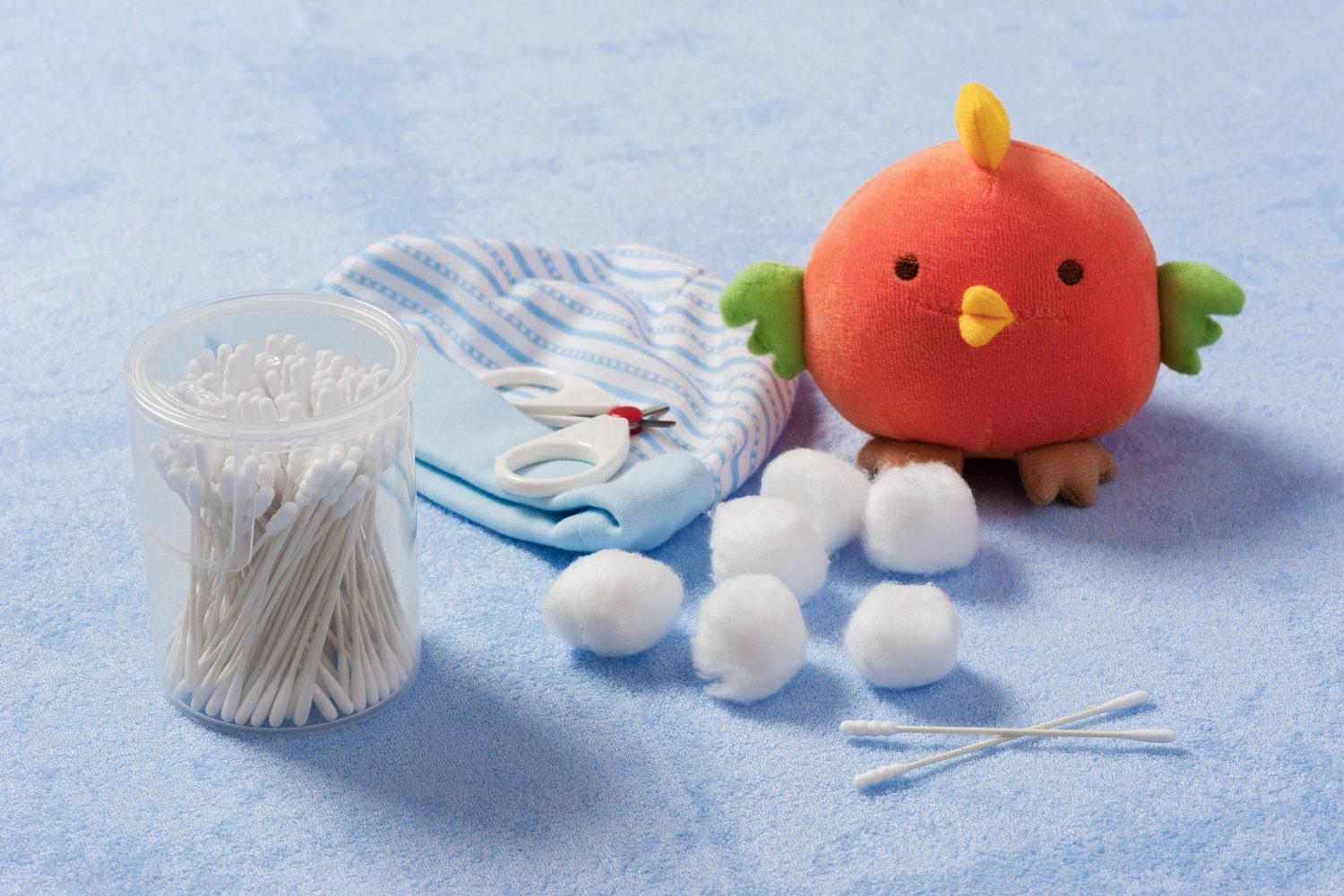
Finally, don’t forget the cotton balls, which involve multiple purposes. A safer alternative to swabs, you can use them to clean tiny ears and noses. They’re also used to apply creams and topical medications.
As you can see, a well-stocked baby medicine kit is highly important yet easy to put together. Once you have your supplies gathered in a handy container or bag, don’t forget the emergency-contact card with important phone numbers in case of a medical emergency. Now you and your baby are all set.