One day, your kid will come inside the house from riding his bike or playing basketball with his friends, and — lo and behold — what’s that funky smell?
Time for deodorant. You may be taken by surprise, but puberty starts at different ages for different children. Some girls and boys may start experiencing changes as early as 9 or 10, while others won’t have any adolescent growing pains until their early teenage years.
Regardless of age, the initial growth of early body hair and sweat make a nasty, stinky combination. Body odor is a fact of growing up; as an adult, you know it’s no big deal and par for the course. To a tween, however, this can feel like a huge, major, and embarrassing ordeal — so it’s important to broach the need for deodorant with empathy, love, and kindness.

What to say to your tween about deodorant
Choose your words carefully. The early stages of puberty can leave your kiddo feeling vulnerable and awkward, so you will definitely want to be sensitive in your approach. While your instinct might be to joke around, it is important to be straightforward and honest about the changes happening in your child’s body at this time. Use anatomical terms and be open to answering follow-up questions. That’s not to say you can’t have a giggle together (that’s actually encouraged!), just don’t rely on humor. Here are a few ways to start a conversation:
- Approach with sincerity and excitement: This is a major milestone. And while it might not feel particularly thrilling for either one of you, you can change the narrative and celebrate this moment. Deodorant may very well be the first noticeable step your child takes toward puberty. They are officially transitioning into adolescence. This comes with big challenges, but it also means your tween or teen can soon exert some autonomy and find their own unique voice. Be truthful — the next few years will come with peaks and valleys, bodily betrayal, and all sorts of weirdness. It will also be amazing, exciting, and full of opportunity.
- Talk about how it’s important to take care of your body: Our bodies are a blessing; eating, moving, and sweating are all privileges. To that end, talk about how it’s important to fuel your child’s growing body with healthy nutrition. Instill the need for exercise and activity. Of course, with motion comes sweat. They may begin to smell a bit funky under the arms after gym class or when playing with friends; remind them that it’s totally normal, and there are ways to keep your body healthy, fresh, and clean.
- Touch on hygiene and why it’s important to stay showered and clean: If your tween groans every time you say the word “shower,” you’ll want to talk about the pillars of healthy hygiene. It’s important for the wellness of their bodies and minds to rinse off, use soap, and exercise “self-care.” Instill proper grooming habits and establish a morning and evening routine that includes washing body parts and using deodorant.
- Tell them about the deodorant you use: Your child has probably seen you put on deodorant. Show it to them and explain how it works, how it smells, and when you apply it. The fact that you, a bona fide adult, also get body odor from time to time can help cushion the blow of this puberty news flash.
- Suggest taking a trip to the store together: A shopping trip is never a bad idea. Tweens and teens like to be involved in decision-making, especially regarding their own health and hygiene. Go to the store together and browse deodorant options. While you’re there, treat them to a little goodie — a celebratory chocolate bar or a new hair accessory (whatever works!). This can be more than an errand; it can be a bonding experience — so slow down, browse aisles, and smell all the pit-fragrances.
Best deodorants for tweens and teens
Ready to purchase a roll-on or two? Not so fast! While you may have a tried-and-true product you love to use, your tween’s needs may be a bit different.
First, you need to establish whether you’re going to opt for deodorant or antiperspirant. What’s the difference? Deodorant simply eliminates odor; antiperspirant stops you from sweating. Antiperspirants can have harsher ingredients, so you are probably better off sticking with a plain and more natural deodorant for your child’s first foray into this personal-care product. Here are our top picks for the best deodorant options for tweens and teens:
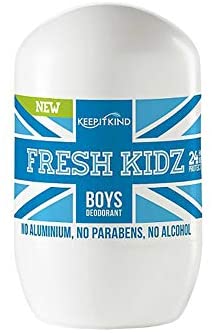
Fresh Kidz Boys Deodorant
This is a great starter option made specifically for kids. It offers strong odor control, but it is formulated with gentle ingredients for your child’s sensitive skin. It features a kid-size applicator that is the perfect width for your tween’s underarm area. Plus, it goes on clear to prevent clothing stains.
Not My Mama’s Aluminum-free Deodorant for Girls
This super-fun four-pack of deodorant adds fun, fashion, and flair to this new stage. Safe, non-toxic, and effective, it features cool designs, quirky names, and delightful scents to help encourage your tween to be excited about this addition to the daily regimen.

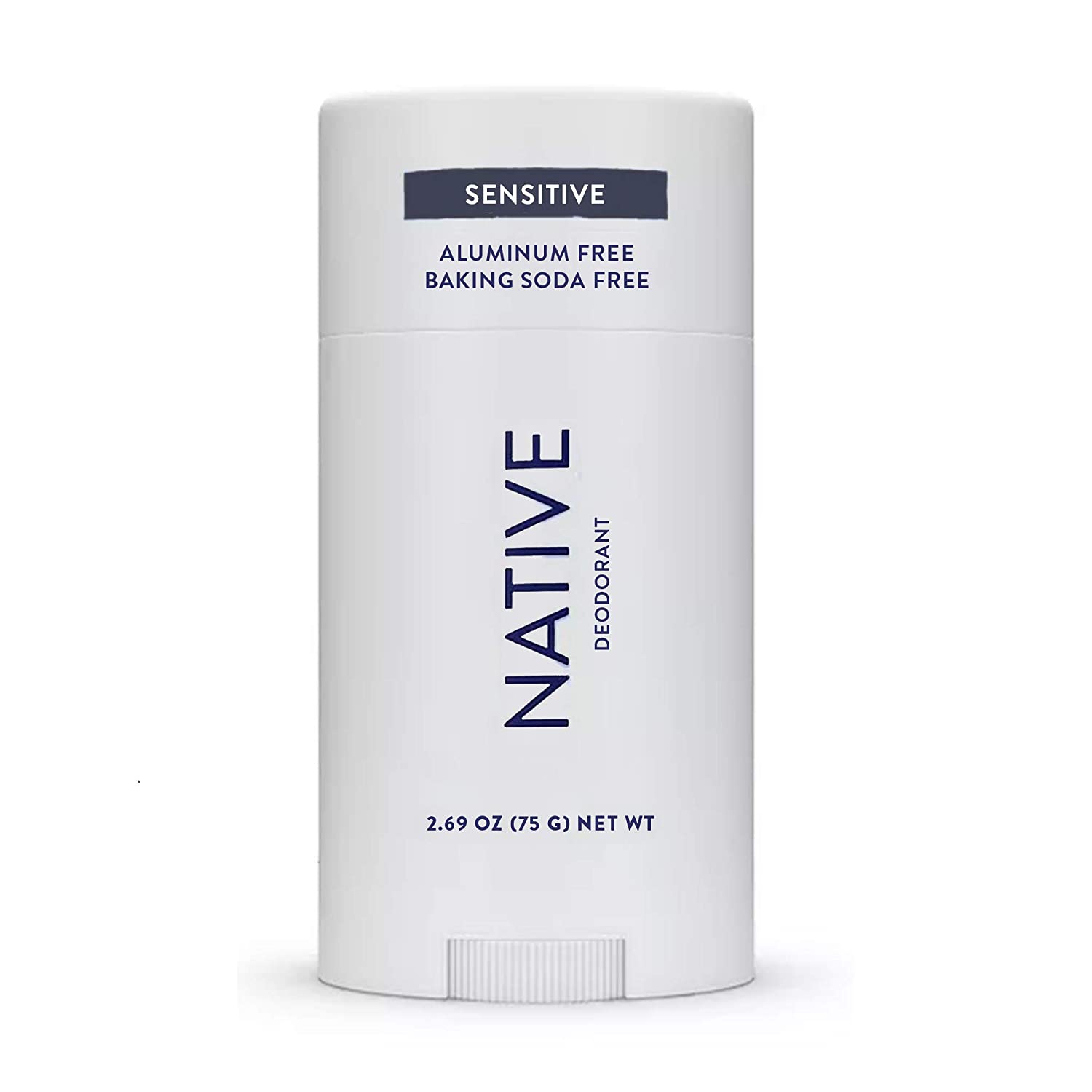
Native Sensitive Deodorant
If your kiddo has sensitive skin, this option from Native, made with all naturally derived ingredients, is the way to go. It is baking-soda-free and fragrance-free, but it goes on smooth and works for hours without causing irritation.
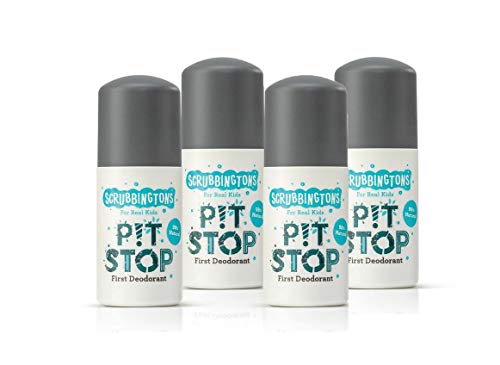
Scrubbingtons Pit Stop First Deodorant
Made without alcohol, parabens, SLS, or artificial dyes, this gender-neutral deodorant offers a fresh but subtle scent boys and girls will both enjoy. Plus, it’s got a funny name — and that wins mega points with kiddos.
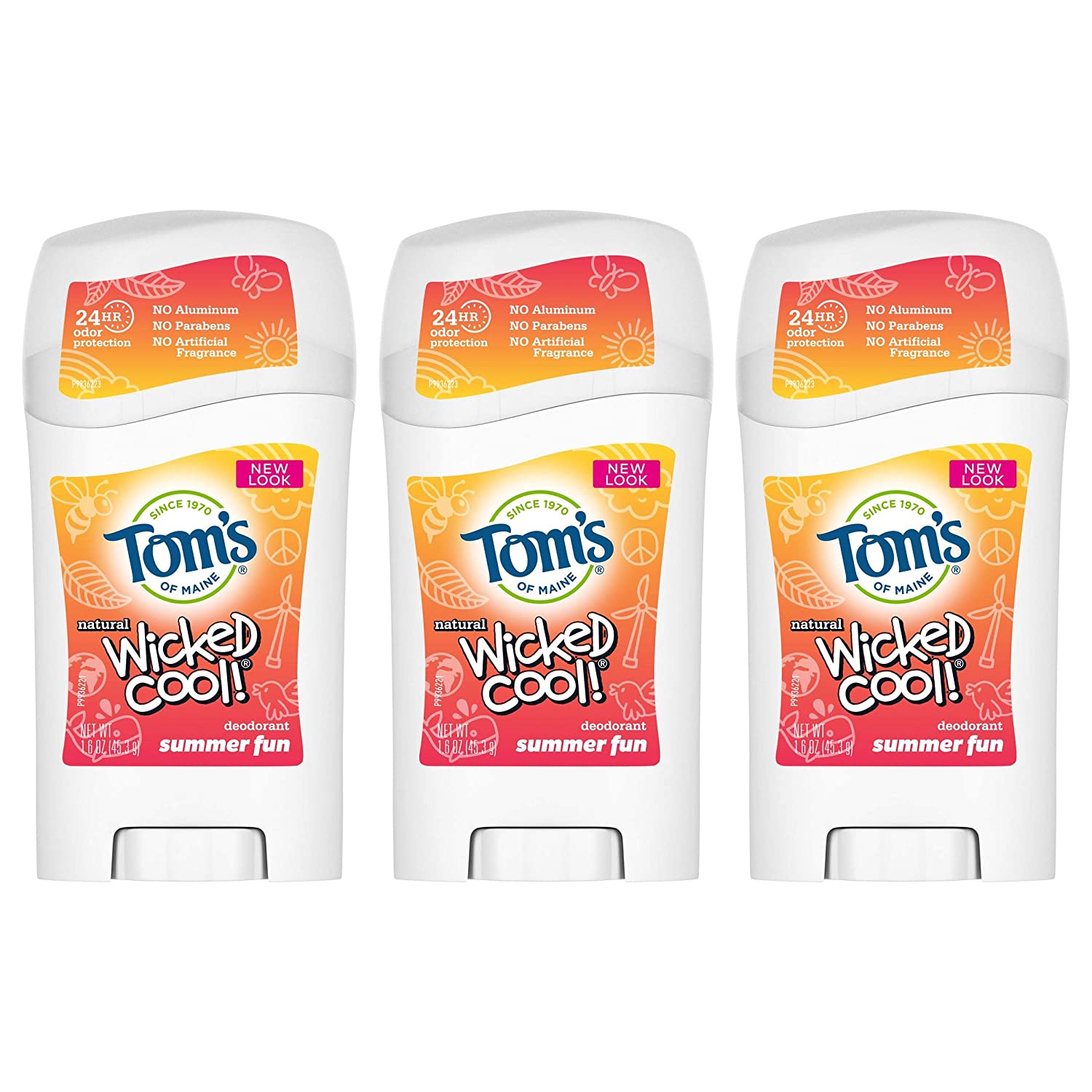
Tom’s of Maine Wicked Cool! Deodorant
You can have peace of mind as a parent when providing your child with deodorant from this iconic brand in natural products. It’s free of harsh chemicals, offers round-the-clock protection, and has a fun and bright scent.
Your tween or teen’s deodorant should be safe and effective. It should be aluminum- and chemical-free, and made with sensitive ingredients. But, even more important, it shouldn’t spur feelings of embarrassment or resentment. Wearing deodorant means embracing a major aspect of growing up. It might be hard for you — but it’s probably even harder for your child. So remember to welcome this new phase with an open mind so your kiddo feels comfortable and accepted. Puberty is awkward enough on its own without the added stigma of stinky armpits.