
We know it’s hard to keep food down during pregnancy, but you shouldn’t skip breakfast if you can help it. This is a time when it’s even more important to make sure you’re nourishing your body. Eating breakfast as a pregnant woman helps with morning sickness, since having food in your stomach is one of the strategies to combat nausea, and having breakfast packed with nutrition will help your baby grow.
A good breakfast for everyone, but especially pregnant women, has protein, calcium, fiber, and iron, and these all have additional vitamins to boot. If you’re not normally a breakfast eater or are simply looking for some new ideas to add to your meal plan rotation, here are healthy recipes to add to your pregnancy grocery list that don’t take long to make. These breakfasts for pregnant women will inspire a healthy start to the day and hopefully keep that nausea away.
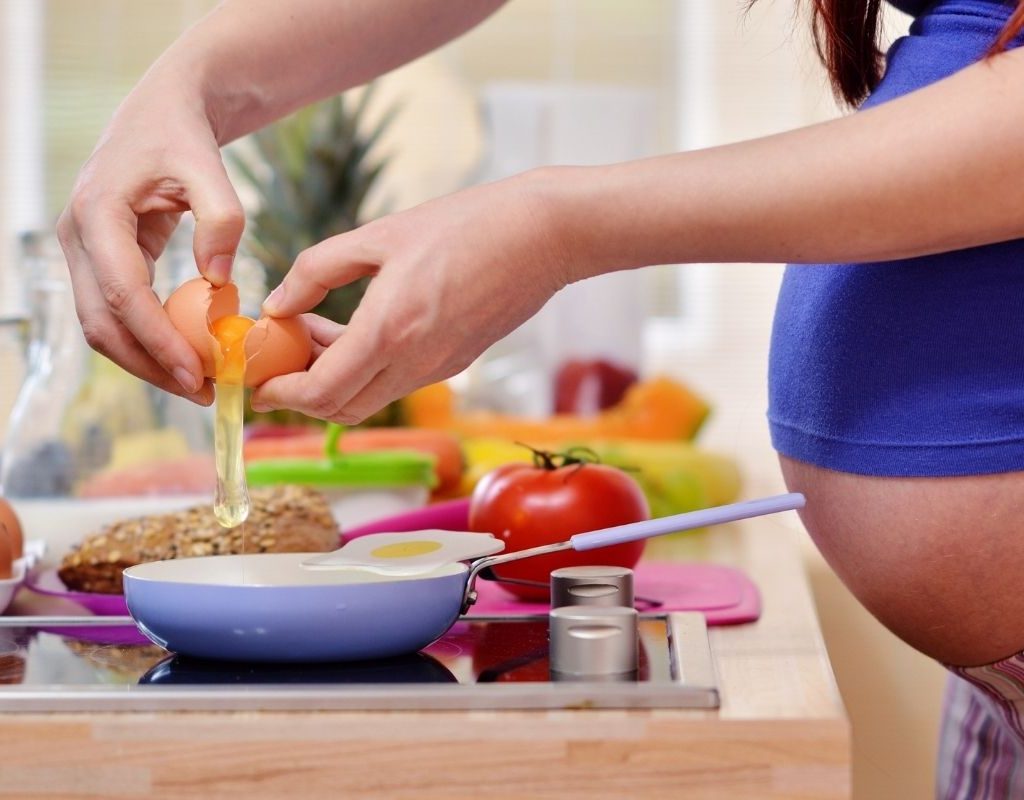
Spinach-cheese egg scramble: Packed with protein and antioxidants
Eggs are nutrient-dense complete proteins and are safe to eat during pregnancy as long as you cook them thoroughly (don’t leave any runniness). They also have choline, vitamin B12, and antioxidants, which are all excellent for a healthy pregnancy.
Scramble up your eggs with greens and cheese for a delicious breakfast. Spinach is a prime pregnancy food because it contains folic acid, iron, calcium, and many vitamins. Choose a cheese made from pasteurized milk to add in for extra protein to keep you full longer.
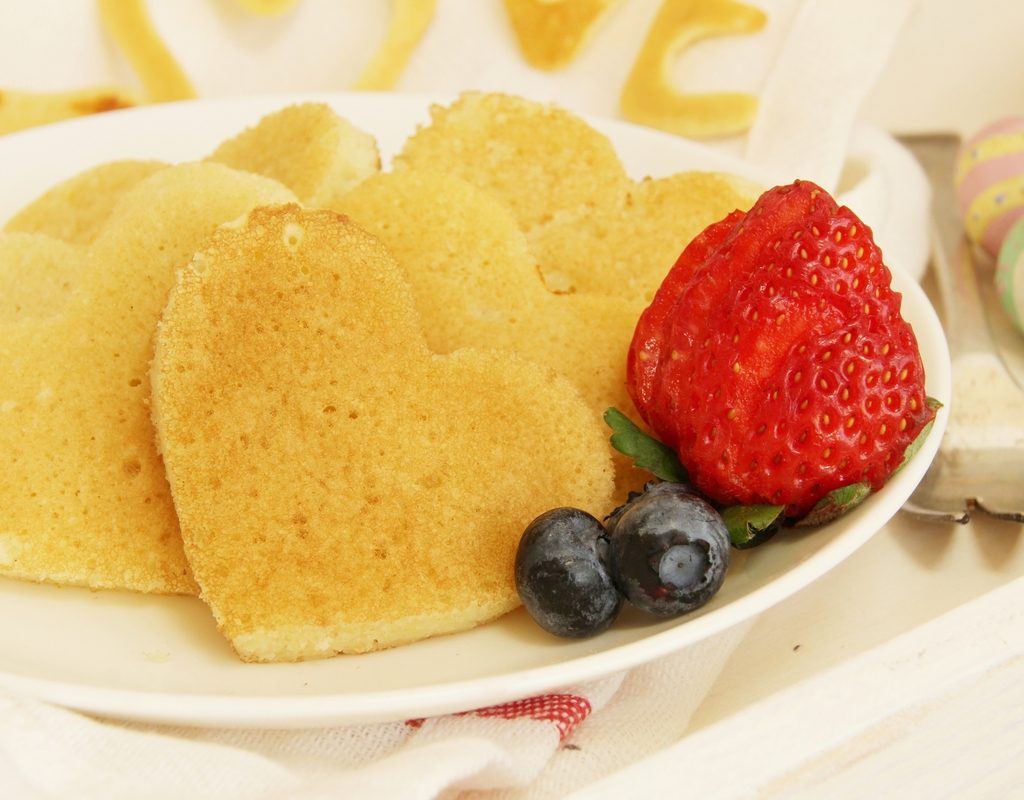
Ginger blueberry whole wheat pancakes: The whole family will love these
Keep it easy with a pancake mix, but choose one that is whole wheat and has protein added. Add flavor to the batter by mixing in a teaspoon of ground ginger, a teaspoon of cinnamon, and a cup and a half of blueberries. Blueberries are nutrient-dense fruit with antioxidants and vitamins and ginger is an anti-nausea home remedy to help with morning sickness. Drizzle with real maple syrup for sweetness.
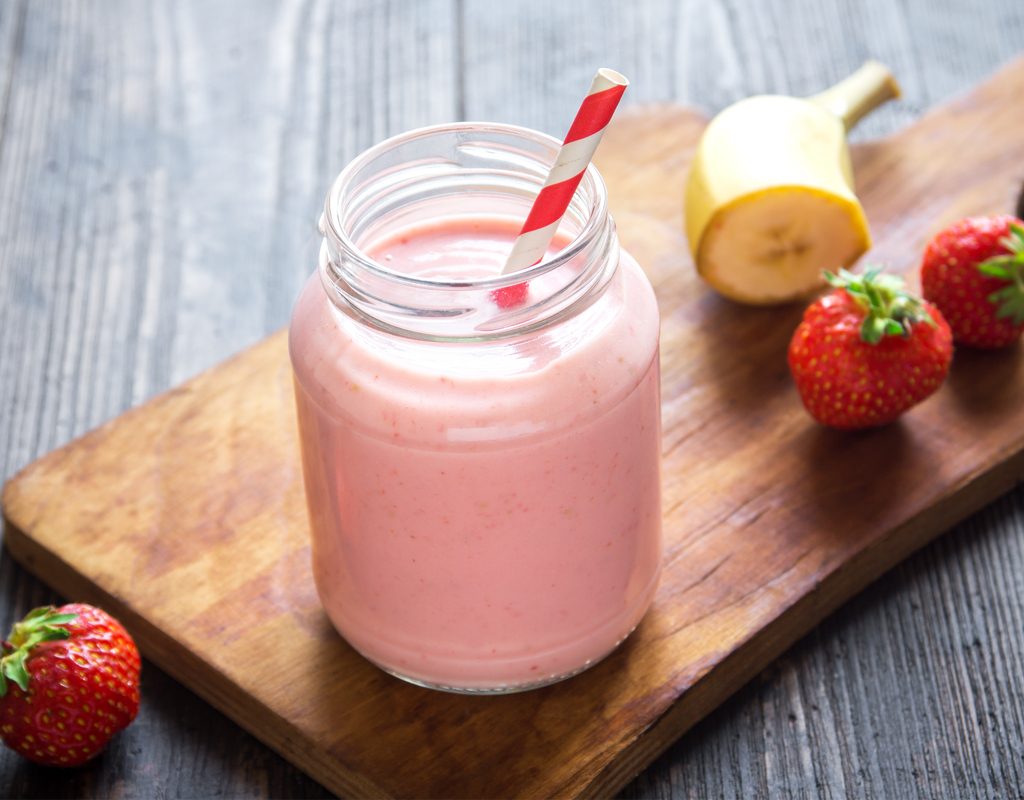
Banana berry smoothie: Perfect for mornings when you feel queasy
Get blueberries or strawberries and add banana, another powerhouse fruit filled with good nutrients for pregnancy. Blend with protein powder to keep you full longer, and, of course, some ice and a liquid of your choice, like milk, non-dairy milk, or water.
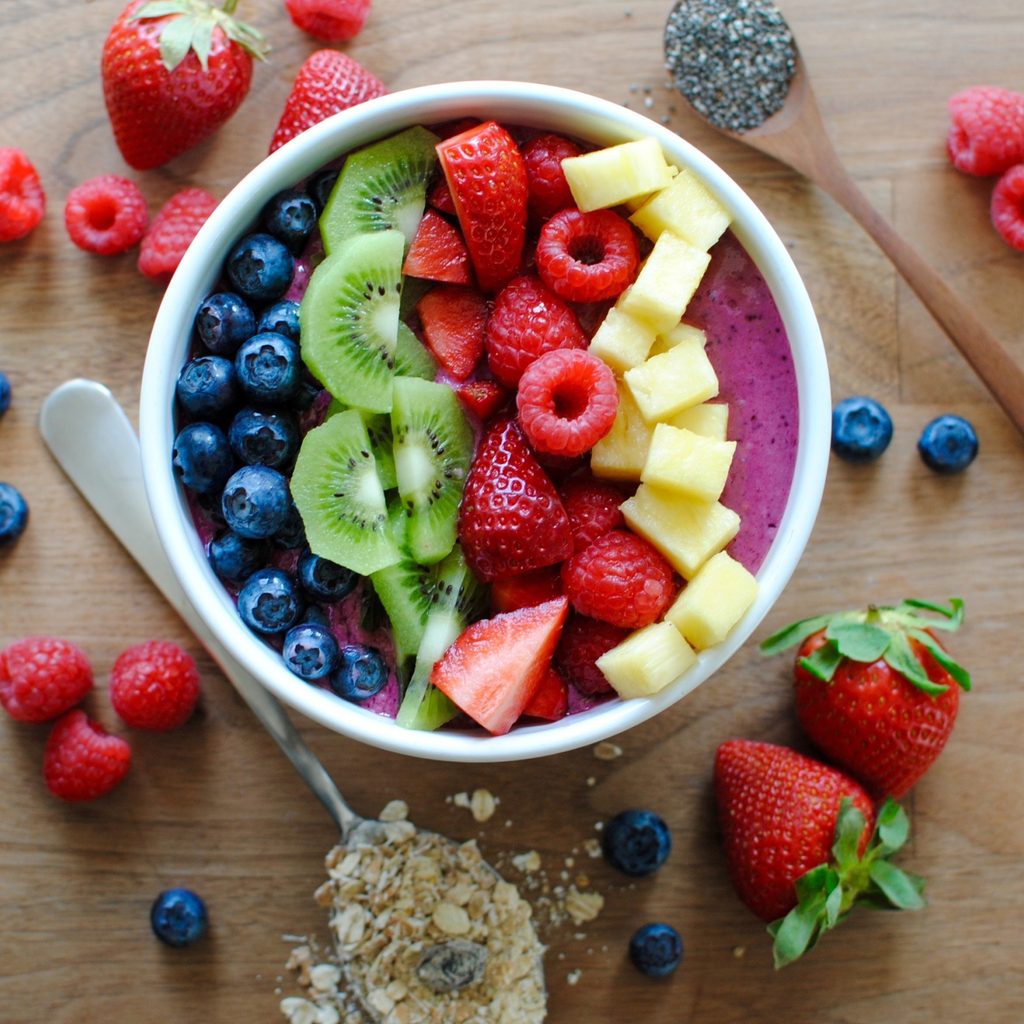
Breakfast parfait: Packed with fiber, vitamins, and probiotics
Layer or mix some Greek yogurt with granola and fruit for a nutrient-packed breakfast. Yogurt is a good source of protein and probiotics, and the fruit will add even more nutrition while the granola brings the crunch. These are easy to make ahead and take out of the fridge when you’re ready in the morning. Add in chia seeds, lemon zest, honey, or maple syrup for some additional flavors.
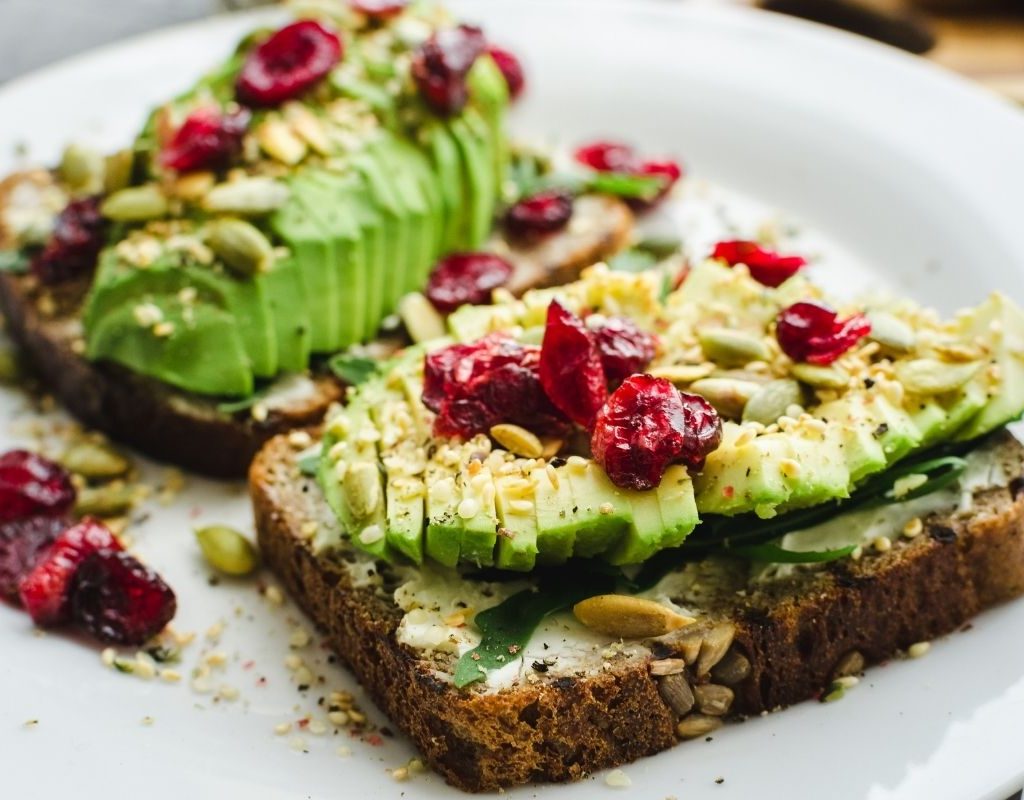
Hearty avocado toast: A source of whole grains, vitamins, and protein
Load up your whole wheat or multigrain toast with as many ingredients as it can hold. Spread cream cheese right on the bread to start off with creamy protein, and then add a bed of arugula or other greens under the sliced avocado (put one-half of an avocado per piece of toast).
Avocado is a dream food during pregnancy because it is full of folate, healthy fats, potassium, fiber, and vitamins B5, B6, C, E, and K. Add seeds like hemp seeds or chia seeds for extra vitamins and dried cranberries or other fruit for sweetness. Every bite will be filled with nutrients and a variety of textures and flavors.
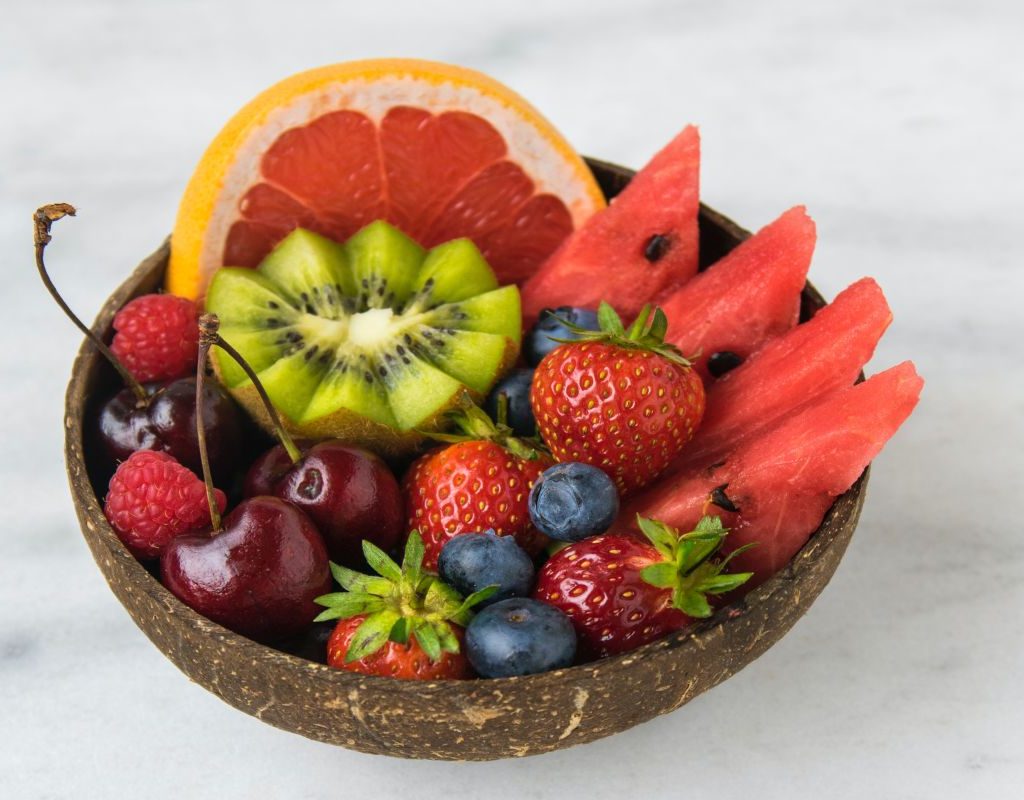
Ginger melon salad: Your go-to for B vitamins and vitamin C
Breakfast is as easy as chopping up some fruit, and fruit salad is a sweet way to get your vitamins. Add a half-tablespoon of minced fresh ginger into your chopped melon (think watermelon and cantaloupe together along with grapes or any other fruits you’d like) and toss. Add in mint, juice concentrate, and lime zest for even more flavor.
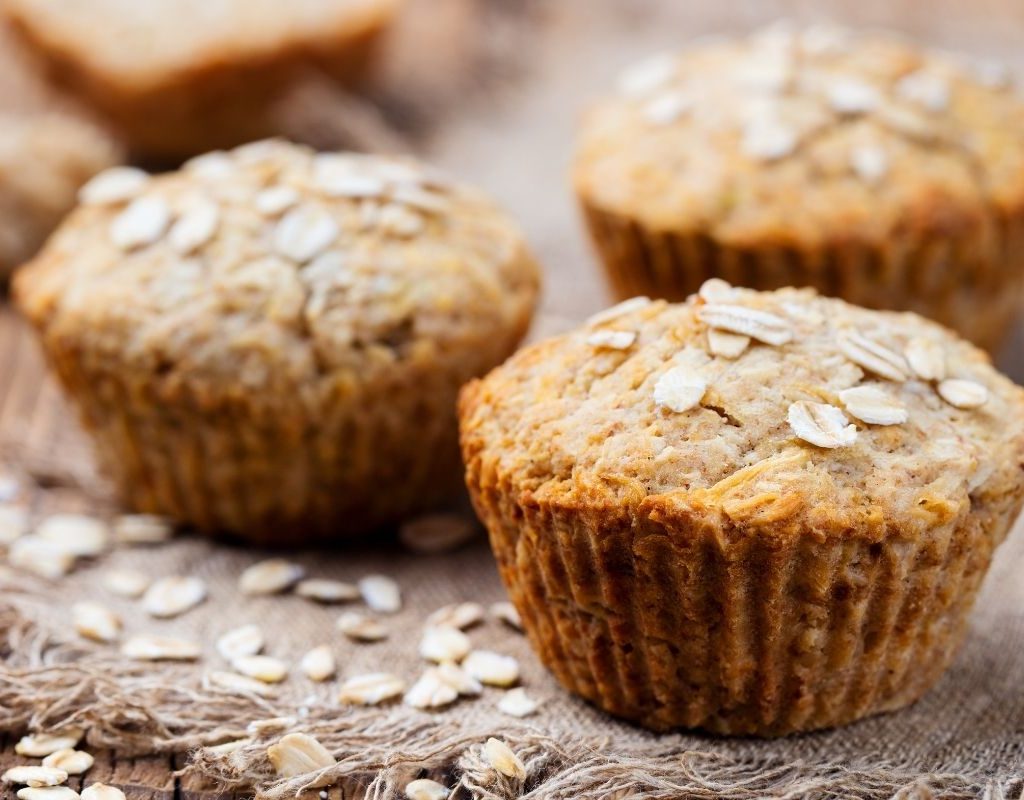
Carrot muffins: Easy on the tummy and great for breakfast to go
Healthy muffins make a great pregnancy breakfast, and this carrot muffin recipe sounds delicious. Something about a homemade pastry just hits the spot, especially warm out of the oven. With ginger (our favorite morning sickness remedy), Greek yogurt for protein, and, of course, healthy carrots, this breakfast will keep you going for hours and makes a good afternoon snack, too.
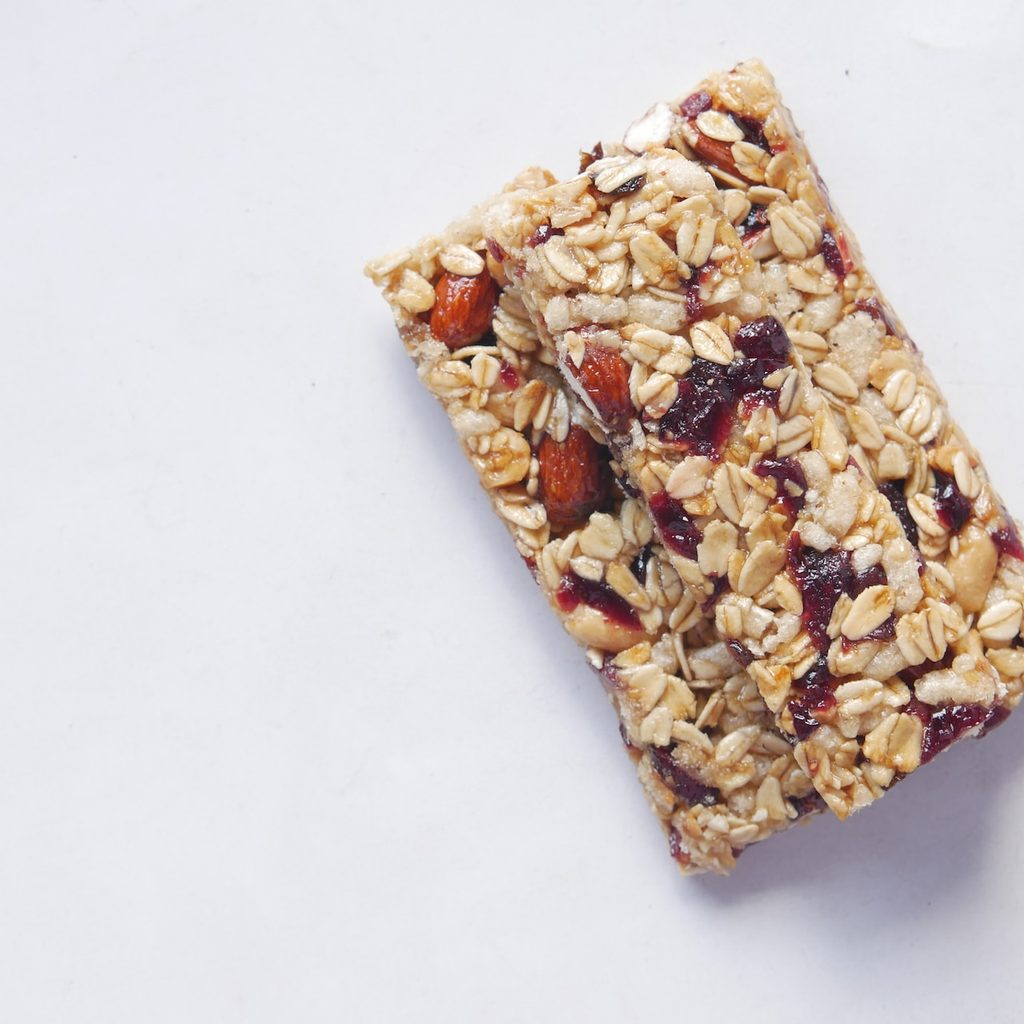
Make your own granola bar: For breakfast or a mid-morning snack
Another grainy option you could eat as breakfast but also take leftovers with you to snack on later is homemade granola bars. Grab your favorite oats, seeds, and nuts, mix in honey, butter, peanut butter, and brown sugar, and you have the base for all sorts of granola bars.
Whether you want to add dark chocolate chips, dried fruit, or spices like cinnamon or nutmeg, customize the bars to what your stomach is able to handle. If you can’t eat a lot for breakfast, these fiber-packed bars are great to munch on throughout the day. These will help keep your energy up as high as possible when all you want to do is take a nap.

What are the best foods for morning sickness?
Sometimes eating breakfast is easier said than done, especially if you’re dealing with morning sickness. If you find yourself nauseous during the day, there are foods to try that will not only help you feel better, but will give you the nutrients you need during pregnancy.
The BRAT diet (bananas, applesauce, rice, and toast) is easier to digest for those who are suffering from morning sickness. Higher protein foods like peanut butter and beans help as well. The Mother Baby Center suggests foods high in water content, like watermelon or cucumber, in addition to smoothies and foods containing ginger.
Keeping up with your prenatal vitamins is wonderful, but getting additional amounts of those necessary vitamins through vegetables, whole grains, and fruits throughout the day helps your body (and baby) absorb them even more. You’ll feel great eating healthy — or at least good enough to not throw what you ate back up — and these quick breakfasts won’t take too long to make so you’ll be able to eat before that next wave of morning sickness hits. Make a pregnancy grocery list and try all of these ideas to see which ones help your stomach stay settled so your little one can grow a little easier.