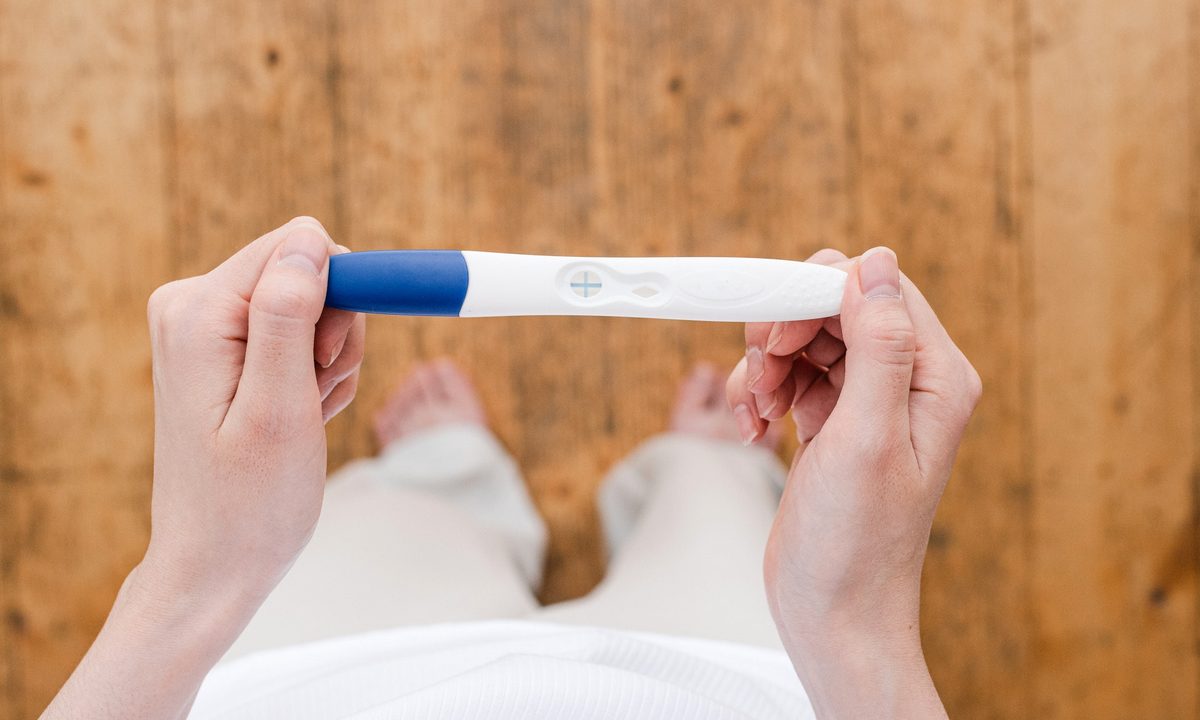
Pregnancy symptoms can feel like a lot of different things. Maybe it’s PMS, or you’re tired from a long week at work, or maybe, all that stress you’ve been experiencing is taking its toll. Whatever the cause, if you’ve been feeling rather odd lately, you may be wondering if you could be pregnant. Or are you simply imagining some of the physical and mental changes that are happening?
The early pregnancy symptoms that occur in the first two weeks seem so subtle that anybody can easily mistake them for another condition. To find out more information about what to expect shortly after conception, read on. You might feel reassured that these signs are not wishful thinking (or the flu) and that yes, you’re actually pregnant.
Most common early pregnancy symptoms and signs almost anyone can miss

In a poll conducted this year by the American Pregnancy Association, about one-fourth of the women who participated reported a missed period and nausea as the first sign of their pregnancy. While these early signs of pregnancy are two of the most familiar, you shouldn’t be surprised if the missed period goes unnoticed, especially if you have a history of irregular cycles.
Likewise, some people cross nausea off as a stomach virus or even a food intolerance that they’ve never detected before. However, you’d be surprised how many pregnancy symptoms go unnoticed or are simply disregarded as imaginary.
Early signs of pregnancy that you’re not imagining

Other less commonly known early pregnancy symptoms seem to appear out of nowhere. However, you can now take comfort in knowing the following symptoms are not only real but are quite common.
Nasal congestion
Another unusual early pregnancy symptom involves nasal congestion. At first, you might think that you’re suffering from seasonal allergies or even coming down with a cold. However, that’s not the case. The increased blood flow that’s brought on by hormone changes causes the mucous membranes to swell. Consequently, these membranes tend to dry out and bleed easily. This means dealing with stuffy or runny noses and nosebleeds.
Implantation bleeding and cramping
Although one of the preliminary signs of pregnancy involves skipping a period, you can still experience some light spotting. In addition to the spotting, you might also suffer some cramping similar to that of a menstrual cycle. Although these symptoms might make you wonder if you’re pregnant, they’re actually very normal. This situation is called implantation bleeding, when the fertilized embryo implants itself on the wall of the uterus. The changes that take place cause you to cramp and bleed, but this is the body’s way of preparing for the developing embryo.
Food aversions
Often you hear about strange food cravings that occur during pregnancy, but have you ever heard of being turned off by certain foods or even by certain aromas? This is not your imagination working overtime. Some smells and flavors will make you feel squeamish, which is a normal part of pregnancy. You can blame the hormones for this sign as well.
Swollen breasts
As your body changes at the beginning of the pregnancy, your breasts might feel sore and swollen. Fortunately, this phase is rather short-lived, and the soreness tapers off going into the second trimester. Nonetheless, you’ll still notice a difference in size and shape due to the body’s preparation for the baby’s arrival and breastfeeding thereafter.
Moodiness
Suddenly, you start feeling the blues and can’t figure out why. There’s no reason to worry because, during the first trimester, your hormones fluctuate, which, in turn, impacts your mood. So, you’re not losing your mind. Rather, you’re going through the changes that affect the entire body — including the brain — that are brought on by pregnancy. Regardless of the frequency and or the gravity of the mood swings, this symptom usually levels out within a few weeks.
Fatigue
Along with the mood changes, you might feel tired more often than usual. When you’re pregnant, your body produces more progesterone than usual. This hormone prompts the uterus to prepare for implantation and for the safekeeping of the embryo during the early weeks. Going into the second and third months, the placenta then takes charge of continuously producing the progesterone until the baby is born.
So, on the one hand, you can look forward to this fatigue throughout the pregnancy, but on the other, you’ll feel a sense of renewed energy closer to your due date when you develop a sort of “nesting instinct” right before your baby’s arrival.
Frequent urination
Are you going to the restroom more than usual? Chances are, you’re making more restroom runs during the day than before. The marked increase in urination comes as a result of the kidneys working overtime to keep up with the increase of blood flow throughout the body. This change helps to provide nourishment at a rapid pace for the developing baby. Consequently, this process leads to a higher volume of fluid in your bladder.
When to see a doctor
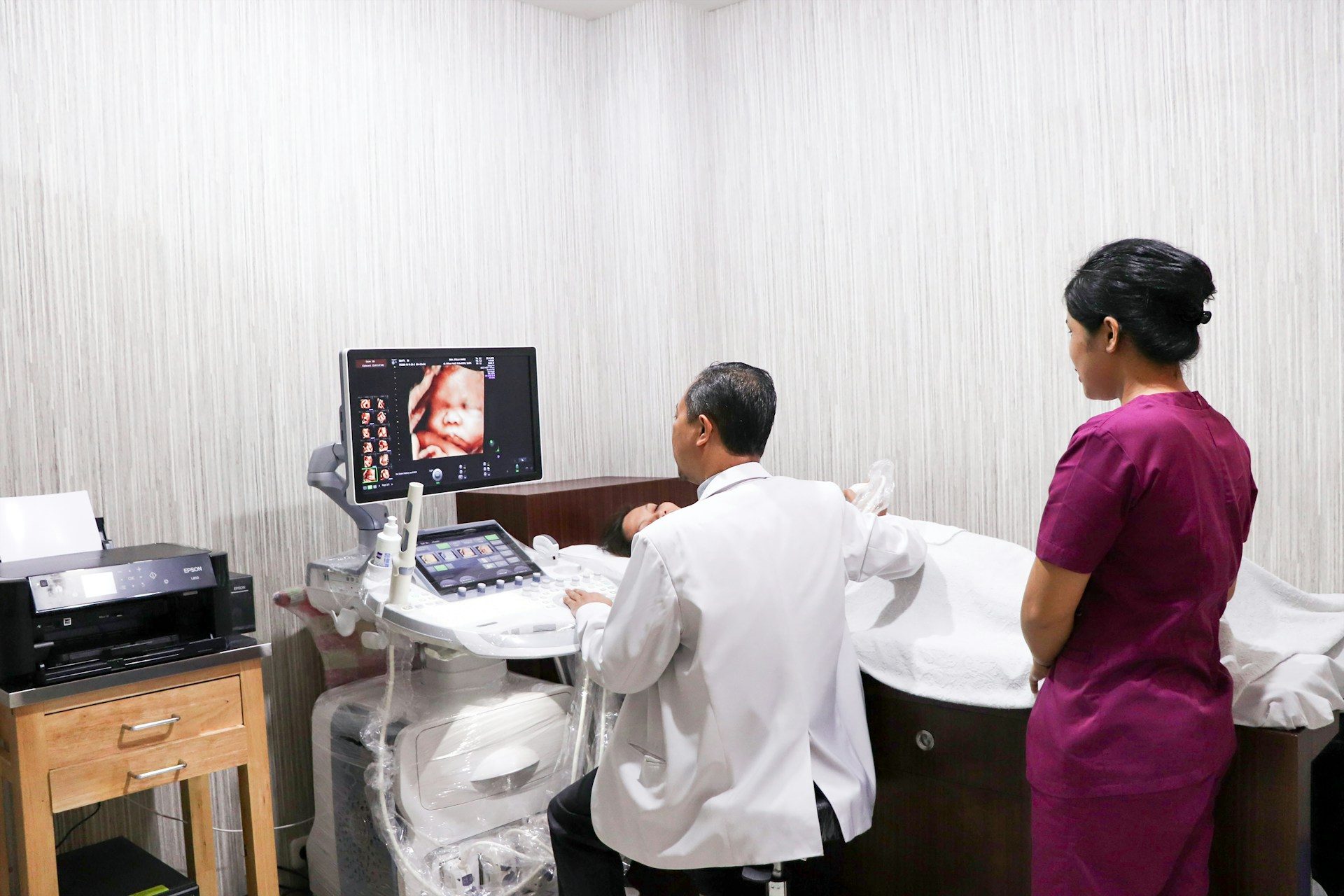
There are some early pregnancy symptoms that could indicate an issue with your pregnancy. If you are experiencing painful urination, any sharp stomach pains, a fever over 100.4, excessive vomiting, sudden swelling, or vision troubles, you should contact your doctor immediately. While these symptoms may be something as simple as a UTI that can be treated quickly with antibiotics, they may also be a sign of something more serious.
It’s always best to err on the side of caution, so if you’re concerned you may be pregnant or have just found out you are expecting and are experiencing any of these symptoms, call your doctor immediately or visit the closest emergency room.
Of course, if you’re not sure if you’re experiencing early pregnancy symptoms, then you should consult with your doctor. One or more of the previously mentioned symptoms might signal the great news of expecting a little one, but most importantly, you would at least know that these occurrences were not just your imagination after all.