Breastfeeding gives your baby one of the healthiest starts in life. While your baby gains many valuable nutrients through breast milk, it’s not uncommon for them to react unfavorably to certain foods you eat as well. For the most part, you and your baby will not experience any issues, but just in case, we’ve brought you information about foods to avoid while breastfeeding, as well as which ones to include to ensure that your baby is gaining vital nutrients.
Does what you eat impact your breastfeeding infant?
A mother’s diet and her breast milk are intertwined. While a breastfeeding diet doesn’t need to be restrictive, it should be a healthy one. According to the Mayo Clinic, choosing healthy foods helps with breast milk production. Mom’s diet should contain a mixture of lean proteins, whole grains, fruits, and vegetables.
An increase in calories is important, too. That will help with milk production as well. Those extra calories should come from nutrient-rich foods. A healthy variety of food will also have an effect on the flavor of mom’s breast milk. This may have a hand in getting your little one to try and like a range of solid foods when they’re ready.

Gassy foods to avoid while breastfeeding to prevent discomfort and tummy aches
You might wonder how to pinpoint which foods to avoid while breastfeeding. To find out, you’ll need to watch your baby’s reaction after mealtimes. If you notice a repeated pattern between what you’ve eaten throughout the day and your baby’s issues with gas, then you can try removing a particular food to see if your child’s condition improves. Additionally, you might try omitting the following foods to start off since they have been known to cause gas.
Leafy greens
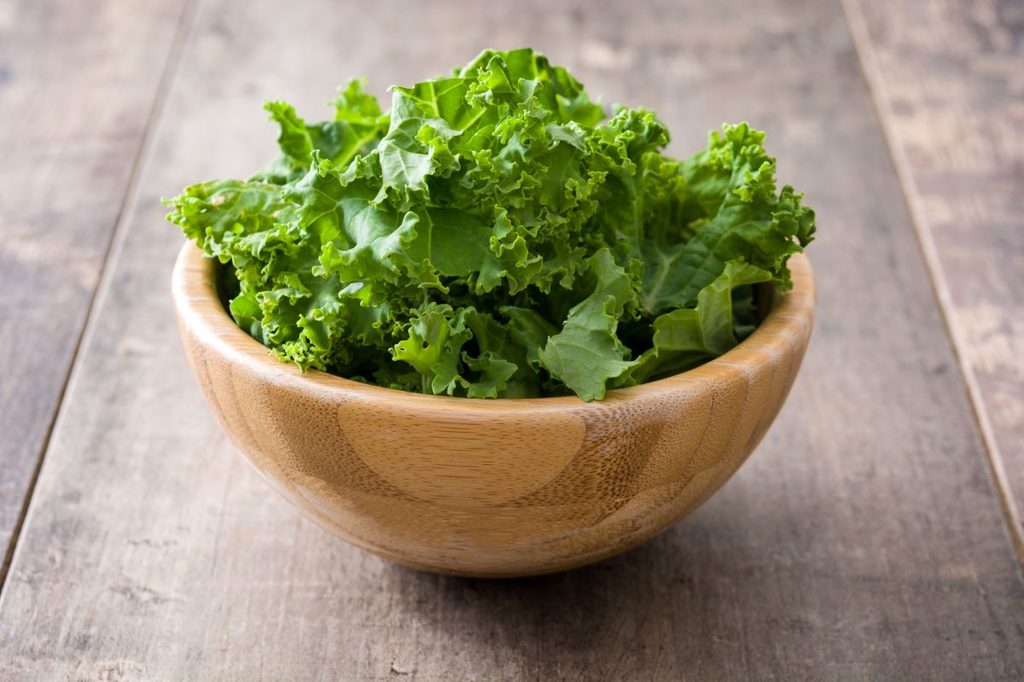
In some cases, vegetables like kale, spinach, and darker lettuce might cause your baby to get gas. This might seem ironic, considering how healthy vegetables are, but you might need to wait a few more weeks or even months before eating leafy greens if you notice a connection between your baby’s tummy ache and the salad you had for lunch.
Beans
Beans contain a chemical called Raffinose that works the digestive system a bit more than other foods. The result is usually burping or flatulence. So, if you suspect this chemical is passing through your breastmilk, then you might add beans to your list of foods to avoid while breastfeeding.
Peppers and spicy food
Just like spicy foods with chile or paprika or different types of peppers can produce a gassy effect for adults, the same can happen to your baby. In fact, you’ll be able to tell right away if these spices and peppers are the culprits behind your baby’s discomfort.
Garlic
Garlic may be one of the most difficult ingredients to give up, but if you see a correlation between your child’s bouts of gas and the buttered garlic you had off of the grill, then you might take a break from this wonder herb since not all infants can tolerate garlic. Garlic can also affect the smell and taste of breast milk.
Foods with milk or soy proteins
Although this rarely happens, milk, cheese, and other dairy products might give your baby gas. Likewise, edamame, tofu, and soy milk might pose an issue with food allergies. In this situation, your pediatrician can provide more insight into the possibility of an allergy to milk or soy with your baby. Likewise, your doctor can recommend some milk substitutes that still provide an adequate supply of calcium without giving your little one gas.

Signs of a more serious problem
Although rare, approximately 3% of exclusively breastfed babies will have a food allergy or sensitivity that could be causing them discomfort or pain during feeding. According to Johns Hopkins Medicine, blood or mucus in poop, vomiting, diarrhea, wheezing or difficulty breathing, skin rash, eczema, or hives, severe fussiness and indications of abdominal pain like a tight, swollen belly are all symptoms of a potential food allergy in an infant. Contact your pediatrician immediately in the case of a more serious reaction.

Hazardous foods to avoid while breastfeeding to help facilitate development
Other foods to avoid while breastfeeding include a few surprises that normally would seem healthy at any other time. Some contain ingredients that impede neurological development, while others possess little to no nutritional value. According to a registered dietician, Kelli McGrane, MS, RD., these are a few to leave off of your shopping list while breastfeeding.
Seafood
Some types of fish and seafood contain high levels of mercury. This element, in high concentrations, poses a risk for developmental delays that affect speech, visual-spatial awareness, the development of fine motor skills, and cognition. Seafoods to avoid while breastfeeding include:
- Orange roughy
- Shark
- Marlin
- Tuna
- Swordfish
- Tilefish
Supplements
Because they’re made from natural substances with healing properties, you might never guess that supplements would qualify as one of the food groups to avoid while breastfeeding. Most are not approved by the FDA for the purpose mentioned on the label and they might affect your baby’s digestion.
Alcohol
According to the CDC, breastfeeding moms ideally should avoid alcohol. However, timing and quantity can help you to play it safe should you choose to imbibe in moderation. So, a limit of one drink in a 24-hour period and waiting at least two hours before the next breastfeeding session should be safe.
Processed foods
Processed foods carry their own sets of risks when it comes to preservatives and high fat or sugar content. So naturally, they don’t have a place in a well-balanced diet while breastfeeding. In addition to the risks they pose to Mom, studies have shown the flavors of processed foods pass into breast milk. Thus, they impact a child’s diet later on because he or she develops a preference for them. Therefore, staying away from processed foods gives your baby the best start in making healthy food choices later on in life.
Caffeine
Caffeine is another chemical that causes a nursing baby much misery. If you accumulate a sizeable quantity of this substance, it passes through the milk and causes your baby to be restless and fussy. So, the CDC recommends no more than three cups of coffee or caffeinated tea a day and for nursing mothers to also avoid energy drinks altogether.
Foods to eat while breastfeeding to avoid colic and digestive issues
You may have heard about a correlation between feeding time and the subsequent bouts of colic in babies. To play it safe, you might consider incorporating the following foods and ingredients into your diet to curb this problem.
Plenty of water
Staying hydrated presents a win-win situation for both mother and child. While drinking plenty of water doesn’t necessarily increase milk production, dehydration can adversely affect it. Furthermore, drinking enough water helps you and your baby avoid tummy issues.
Fruits and non-cruciferous vegetables
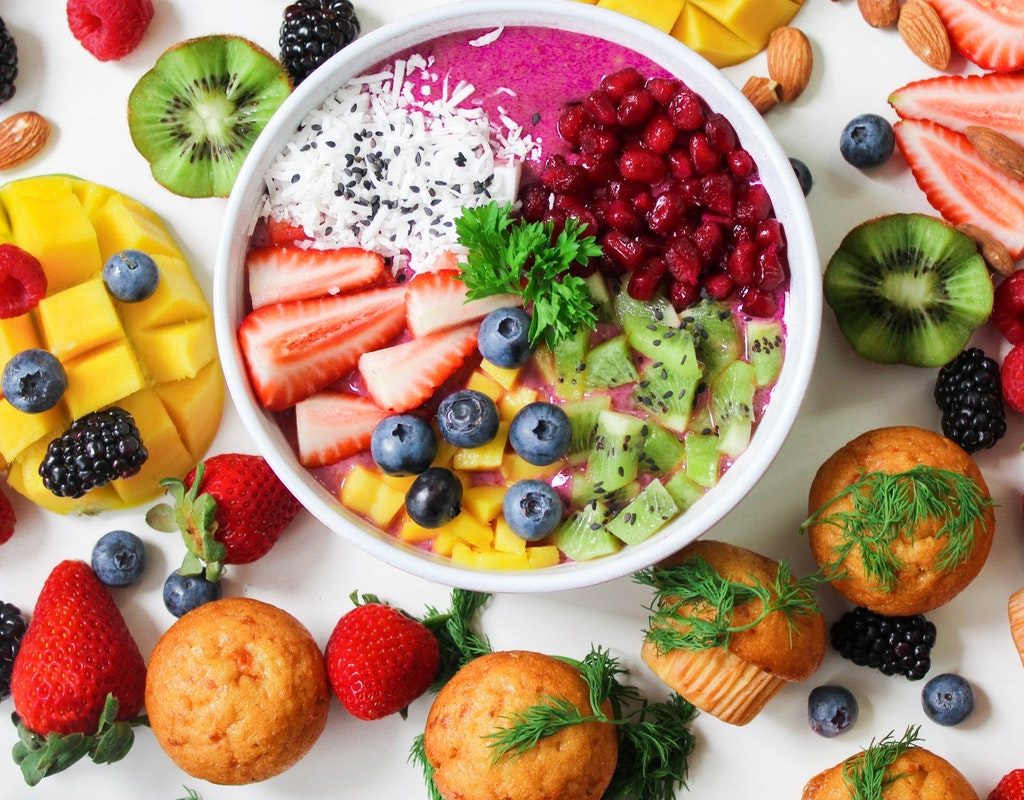
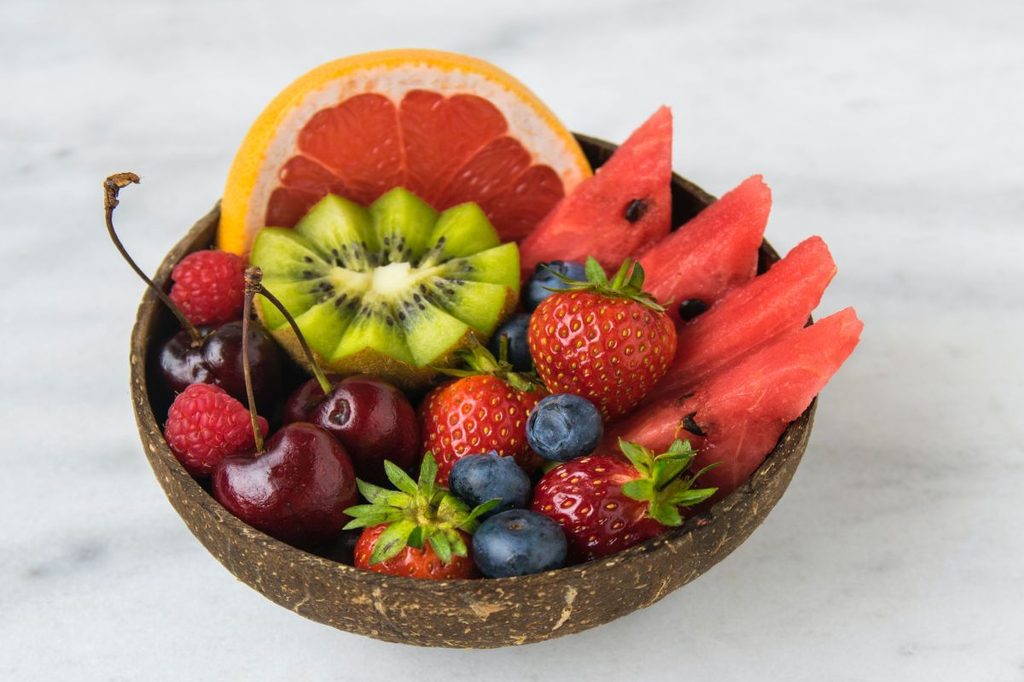
If you’re still looking for sources of vitamins and antioxidants without the gassy effects, you can opt for a variety of fruits, berries, and non-cruciferous vegetables like chard, cucumbers, celery, gourds, and carrots. Plus, some of these options will also give a good dose of fiber, another necessary component of a healthy diet.
Lean proteins
You can’t forget the protein, which helps with muscle maintenance and development along with cell repair. Thus, opting for poultry and other white meats plus very lean beef (in moderation) helps you and your baby to get an adequate amount of protein. Other healthy protein options include legumes, cheese, peanuts, almonds, Greek yogurt, or cashew butter.
At first glance, you might look at the list of foods to avoid while breastfeeding and wonder if it’s possible to give your baby the best nutrition. As you can see, there are many healthy choices to pick from. So, with the help of this information and a few pointers from your lactation specialist and your pediatrician, your baby will reap all the benefits of a nutritious diet during the first year.