
Many of us know as soon as you see that little pink plus on your pregnancy test, you should adjust your diet to keep your growing fetus and yourself healthy. If you are actively trying to conceive, you can make changes to your diet to maximize your health, too.
While there are many things you can include in your diet, like extra folic acid and increased fruits and vegetables, health providers also include some foods to avoid while trying to get pregnant.
Don’t panic if you’ve been eating these foods while trying to conceive and speak with your medical provider about what you can do to stay healthy.
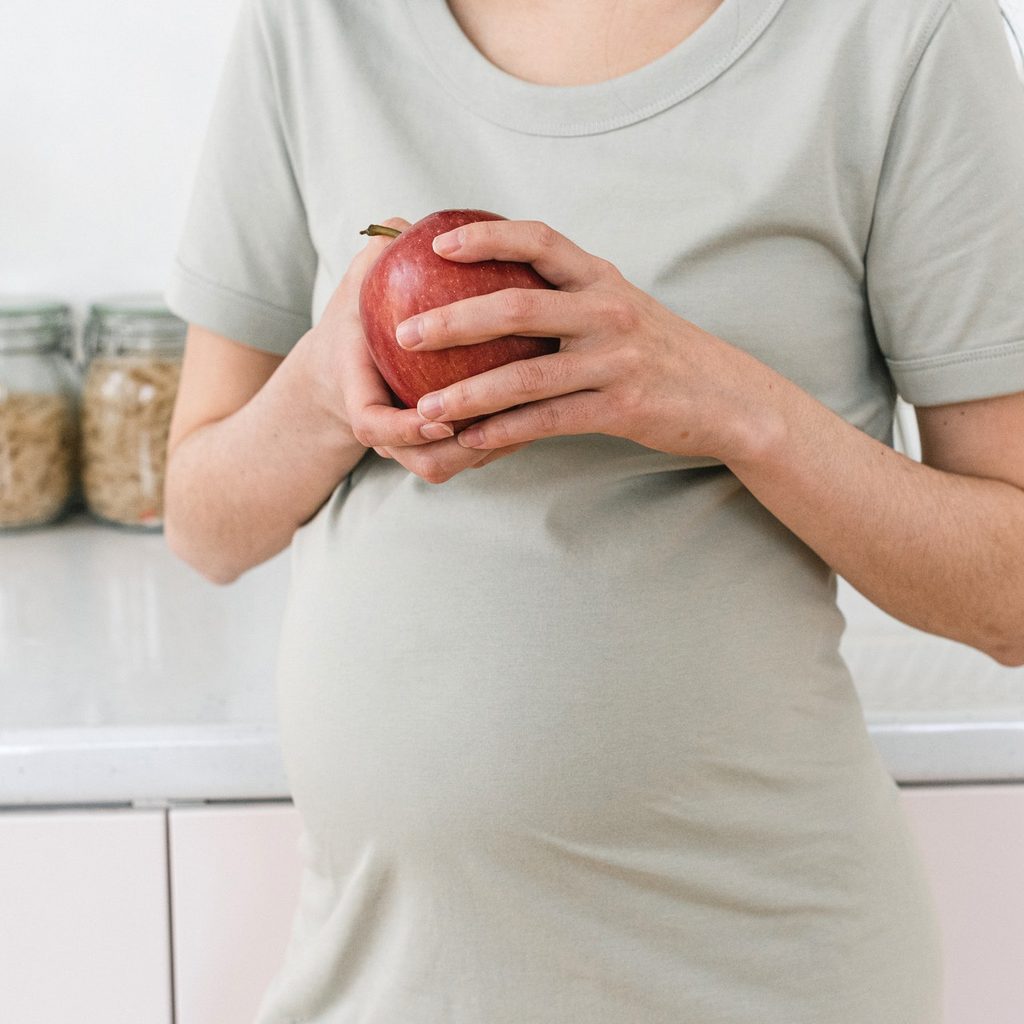
What foods should you avoid while trying to conceive?
In moderation, nearly all foods are safe while trying to conceive. Understanding daily recommended amounts for the different food groups can be helpful in determining what moderation looks like.
Our diet can cause interactions within our bodies. There are several foods to be cautious of while trying to conceive. According to Kendra Tolbert, R.D., the following four foods are among the top food offenders.
1. Listeria-containing foods
Listeria is a germ that can cause serious illness in people who eat contaminated foods. The CDC states that pregnant people are more likely to develop complications like a listeria infection, and this can put women at an increased risk of having a miscarriage.
Foods that are susceptible to containing listeria include deli meats and unpasteurized soft cheeses (like gorgonzola and brie). You should also keep an eye on the news to see if there are any listeria outbreaks in certain foods. Recent outbreaks have included packaged salads.
2. High-mercury seafood
Fish and other seafood have wonderful health benefits and include many beneficial vitamins, including omega-3 fatty acids and vitamin B2 and D, and minerals like iron, magnesium, zinc, and potassium. Many kinds of seafood contain calcium as well.
However, some fish contains high levels of mercury. Fish like swordfish and tuna can contain high levels of mercury. That mercury can build up in the body. Tolbert explains that exposure to high levels of mercury can directly harm a fetus, while other studies suggest mercury may increase a woman’s infertility.
3. Trans fats
Many fried foods and foods that are made with shortening contain trans fats. According to Tolbert, trans fats can create inflammation and cause insulin resistance. This can cause decreased fertility. Tolbert recommends that both women and men avoid trans fats while trying to conceive because both can be at risk of experiencing fertility issues.
4. Alcohol
We all know to avoid alcohol while pregnant, but recently the CDC issued a statement recommending that women who are thinking about trying for a baby or are simply not practicing safe sex, should give up alcohol.
Although the message was met with mixed reactions, newer research suggests excessive alcohol consumption can make it more challenging for women to get pregnant. The study examines both men and women and the effect alcohol can have on reproductive health.

What foods stop you from getting pregnant?
Researchers are still studying the connections between diet and fertility. These studies are starting to show growing evidence that suggests consuming too much of specific foods might decrease your chances of becoming pregnant.
Some health professionals suggest those trying to conceive may increase their chances of getting pregnant if they avoid the following:
Sugar
Sugar, especially processed sugar, has been associated with lower fertility outcomes. Surprisingly, poorer fertility results can show up in both men and women. Although scientists are still studying the connection, women trying to conceive, and their partners, can make an effort to reduce their sugar intakes.
When you think of sugar, your mind may jump straight to the usual culprits — candy, baked treats, and sodas. But did you know you can find added sugar in a variety of unexpected foods? Even many popular bacon brands have added sugar. If you are trying cut down on your sugar intake, make sure you are reading labels for sneaky sugar.
Groceries that can be high in added sugar include:
- tomato sauces
- salad dressings and condiments (ketchup, BBQ sauce, etc.)
- white bread
- flavored yogurts
The American Heart Association (AHA) recommends 24 grams, or about six teaspoons, of sugar a day for women. To put that into perspective, several popular flavored yogurt brands contain between 19 and 34 grams of sugar per serving size.
Saturated Fats
Like sugar, researchers are beginning to make connections between lower fertility outcomes and saturated fats. Occurring naturally in several foods, saturated fats may affect your cholesterol levels. According to the AHA, many meat and dairy sources contain saturated fats. Other sources include coconut oil and palm oil.
How much saturated fat you should consume in your diet depends on your caloric intake. The AHA recommends keeping your saturated fats at about 5 to 6% of your total daily calories. For example, most people who eat 2,000 calories a day should have about 13 grams of saturated fat a day.
Foods high in saturated fats include:
- beef
- pork
- coconut
- butter
- cheese
Understanding the nutritional content of the foods you consume is key. Although most everything is fine in moderation while you’re trying to conceive, if you are struggling to get pregnant, it could be time to look at your diet.