
As adults, we use gross motor skills every day without realizing it. Gross motor skills are those large movements that use the body’s big muscles. Standing, walking, running, and bending over to pick up your baby are all examples of gross motor skills. Basically, gross motor skills incorporate the larger muscles of the body in the arms, legs, and torso. Gross motor skills work in conjunction with the body’s skeletal muscles, bones, and nerves to achieve simple movements like waving to more complex ones like riding a bicycle.
As children develop from infancy, a lot of attention is paid to gross motor skills because developing them relates to other body functions, such as balance and hand-eye coordination, as well as body and spatial awareness. When you take your child to their well visits, you’ll hear a lot about gross motor skills because they are an essential piece of your child’s development, and we’ve got everything you need to know about developing those everyday skills we use without a thought.
Physical development
Gross motor skills fall under the heading of physical development. Physical development also includes fine motor skills. The difference between fine and gross motor skills is simple. Fine motor skills use the small muscles of the body, like the ones in a finger. These smaller muscles allow you to text on your smartphone or write with a pen as well as use utensils to eat. Developing fine motor skills, though, depends on gross motor skills. For example, you can’t throw and catch a ball with your hands if the muscles in your arms and core are underdeveloped.
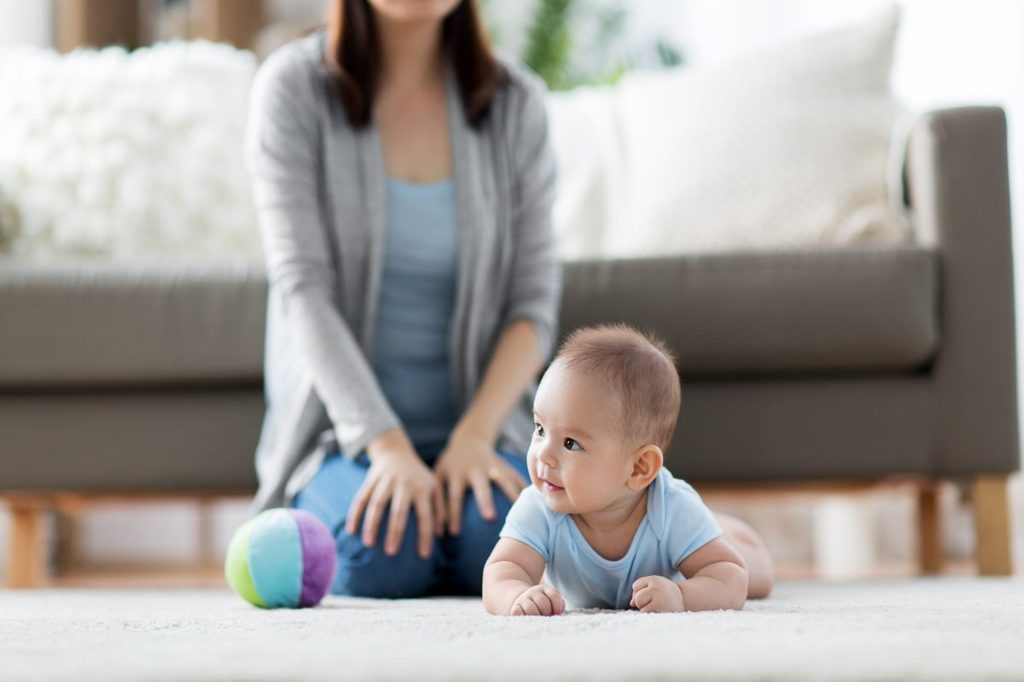
Developing gross motor skills begins right from infancy with the very important tummy time. Tummy time helps develop a baby’s neck and arm muscles, eventually leading to rolling over. Rolling over moves into crawling, which starts baby on the path to walking.
Many of those early baby milestones are tied to gross motor skills development, which continues through toddlerhood and beyond. While not all babies will master gross motor milestones at the same time, it is important to look for these achievements and provide opportunities for development.
Activities that foster gross motor skills
You’ve probably heard that sitting is the new smoking. It’s a creative slogan to remind adults that it’s important to keep moving. Movement works to reduce the risk of health issues in adults. It may sound crazy, but little ones need movement, too.
Movement encourages gross motor skills development, and it starts as early as infancy. One of the best things you can do for your child’s gross motor skills development it to provide opportunities for movement. Incorporating movement into the day for babies, toddlers, and even preschoolers is vital in encouraging gross motor skills development. Here are some fun and easy ways to get your kiddos moving.
Babies
One of the best things you can do for your little ones is to set aside times during the day for tummy time. Tummy time develops important neck, arm, and core muscles that are needed for babies to learn to sit up, roll over, crawl, stand, and eventually walk. Sessions on the tummy don’t have to be long. A simple 5 to 10 minutes three or four times a day is ideal. The older your baby gets the longer tummy time can be. Remember, though, tummy time does need to be supervised. Here are some other fun activities to encourage gross motor skills.
- Peek-a-boo
- Head turning to look at toys or siblings
- Sitting on your lap
- Cruising
- Walking with assistance
- Crawling for toys
- Playing with toys in the bath
- Mommy-and-me swim or gym classes
Toddlers
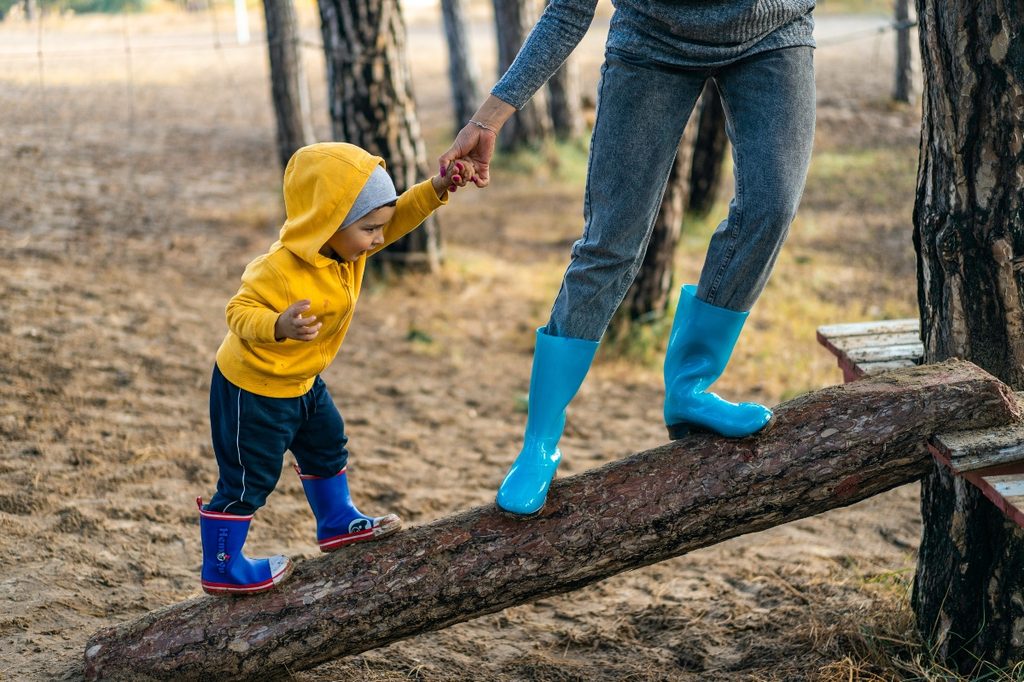
Once babies hit the toddler stage, they are really on the move. They want to go everywhere and touch everything. As nerve wracking as the toddler stage can be, it’s especially important to provide opportunities for movement with and without toys. Remember that developing strong gross motor skills is vital for fine motor skills. They go hand in hand. An easy way is to let toddlers walk whenever possible is holding your hand and on their own when safe. Like babies, toddlers on the move require lots of supervision. Here are some simple ways to get toddlers moving.
- Playground time — spending time with your toddler in an age-appropriate backyard or park playground works the large muscles of the body
- Running around the yard
- Join a playgroup or mommy-and-me gym class
- Make an age-appropriate backyard obstacle course
- Jumping on a small trampoline
- Rolling balls
- Playing with bath toys
- Moving to music
Preschoolers
When kids are ready to head to preschool, they should have time during the school day for activities that encourage gross motor skills development. Playing with bigger toys like blocks, Duplos, and large puzzles also helps gross motor skills. Preschoolers love to be busy and on the move, so take advantage of this fun age with activities that encourage gross motor skill movement.
- Walking
- Running
- Riding a tricycle
- Tag
- Hide and seek
- Trampoline
- Swimming
- Dancing
When kids hit age 4, it’s the ideal age to introduce them to organized sports like soccer, T-ball, and even basketball. Many towns offer Fundamental Four programs that begin teaching sports basics to preschoolers. These programs are great for gross motor skill development and more.
Delays with gross motor skills
It is very important to remember that all children develop at their own rate. Don’t compare when your little one started crawling to Johnny down the street, who’s already walking. Children develop at their own rate, and a wide range is considered normal for kids to achieve those important milestones.
Sometimes, though, there are developmental delays with gross motor skills. With a developmental delay, early intervention is key. This is why your pediatrician will ask at well visits if children are hitting those baby milestones. Milestones continue after baby’s first year, too. If you have concerns about whether your child’s gross motor skills are developing properly, be sure to bring it up with your pediatrician. Your child’s preschool teacher may bring up issues with gross motor skill development at parent/teacher conferences. Since gross motor skills impact fine motor skills, take any suggestions your child’s preschool teacher offers and follow up with your doctor. There are a lot of interventions when it comes to a delay with gross motor skill development, including physical therapy.
Gross motor skills development is a crucial piece of your child’s physical growth. Gross motor skills directly impact fine motor skills. Parents can help develop gross motor skills by giving opportunities for movement. Gross motor skills begin developing in infancy, so make sure to set aside times during the day for tummy time. Remember to have fun, too. Providing opportunities to develop gross motor skills is a wonderful way to bond with your kids and get you moving, too.