
When does a hobby become an addiction? That’s a question many parents may have on their minds when it comes to their teens and video games. Video games have been a thing since the ’70s. Unlike those early days, though, kids don’t have to go to the local arcade to play. All they have to do is turn on the video game console in their home.
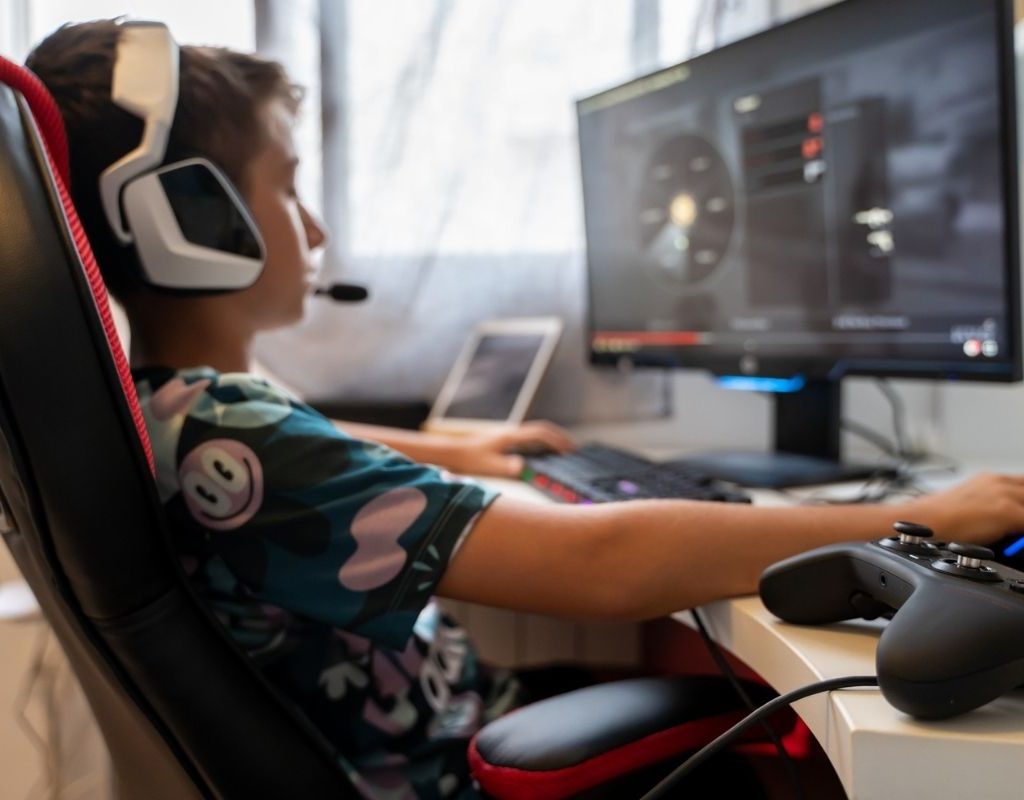
Most teens have an Xbox or a PlayStation in their room, which means getting them to come out even for a family meal can be a challenge. Gamers can connect with their friends through the video game console and interact with other gamers around the globe. Teens play for hours on end, with some staying up into the wee hours of the morning.
During the COVID lockdown, many teens spent a large portion of their days playing video games. So, at what point does gaming become an addiction? Like many other additions, gaming becomes an issue when it starts to impact other areas of your teen’s life. To avoid gaming from becoming a problem, it’s imperative that kids have hobbies to replace video games; so that addiction doesn’t happen to them.

Signs your teen has a problem with video games
The jury is still out on whether a video game addiction is an actual disorder. The World Health Organization (WHO) said it was in 2018, but the American Psychiatry Association (APA) didn’t. Many parents probably agree with the WHO, especially when they can’t get their teen to put down the video game controller to come down to eat dinner with the family or go to bed at a reasonable hour.
The APA might not have classified gaming as an addiction, but it did list warning signs to watch out for in its DSM-5 manual, which is used to diagnose patients. Here are red flags to watch out for if your teen is an avid gamer.
- Thinking about gaming whether playing or not
- Moody when unable to play
- A need to play in order to feel happy
- Lack of interest in other things they used to enjoy
- Problems at home, work, and school caused by a preoccupation with video games
- Underestimating how much time they spend playing video games
- Inability to cut down on video game time or abstain from playing
- Sleep deprivation
- Obesity
- Vein issues from prolonged sitting
- Dehydration and nutrition issues
How to combat a gaming addition
If you’re starting to see any of the red flags listed above, it could be time to take action. The first step is to remove the gaming console from the bedroom. Make the bedroom a cell phone and gaming-free zone. Understand this first step will be a difficult one and something your teen will challenge you on. Once the gaming console is in a common area of the home, limit the times your teen can play. This will be a rough adjustment, but be firm. Finally, try to get your teen interested in activities other than gaming.

Hobbies to replace video games
It won’t be easy, but getting your teen interested in hobbies besides gaming is an important way to break the addiction cycle. Sometimes reconnecting with activities they used to enjoy can be the answer. If not, here are other hobbies to get your teen involved in.
Sports
Exercise is a wonderful way to help burst the gaming bubble. Team sports like soccer, lacrosse, basketball, and hockey get teens out of the house for practice and games while introducing them to new people. If your teen isn’t into team sports, try tennis, golf, or swimming.
Running
Running is different from other sports because it’s more about personal achievement. It’s an excellent form of exercise and gets your teen outside. For teens uninterested in joining the cross-country team at school, try a local running club. There are running clubs that welcome novice and advanced runners. A running club is also a perfect place for teens to make friends outside of the virtual gaming world.
Hiking
Connecting with nature is another option for teens tied to their video games. Exploring local trails or taking road trips to check out other scenic hiking trails is a family activity everyone can get on board with. You can use the time on the trails to reconnect and talk with your teen. Teens who enjoy hiking as a family may also enjoy kayaking, rafting, or camping. All of these activities provide the ideal opportunity to disconnect.
Art
Artistic endeavors are extremely soothing and can be useful when it comes to breaking a video game addiction. Teens may be edgy and moody when they first step away from excessive gaming. Art can have a calming effect. Coloring, drawing, painting, and sculpting are all creative activities teens may come to enjoy. Try a local art studio and sign up for a class together.
Cooking
Teens aren’t too far away from college and cooking is a life skill they will need to know before heading off to university or whatever is the next big step in their lives. Bring teens into the kitchen and teach them how to cook or enroll them in a class.

Other hobbies to replace video games
If these five hobbies don’t entice your teen to put down the controller, don’t give up. Here are other hobbies to try.
- Learning to play an instrument
- Martial arts
- Yoga
- Knitting
- Dance
- Photography
- Volunteering at an animal shelter, soup kitchen, or senior center
- Mountain biking
- Rock climbing

Is my teen addicted to video games?
Not every teen who plays video games becomes addicted, but for many teens, putting down the video game controller is a difficult thing. If your teen is ignoring schoolwork, family, friends, and activities they used to enjoy in favor of gaming, there’s a problem brewing.
Video game addiction is an issue in many homes and teens need help handling their gaming habit. One way to help combat video game addiction is to get teens interested in other hobbies or help them reconnect to activities they used to have fun doing. There are a lot of hobbies to replace video games which your teen may grow to love. Give one of more of these activities a try with your teen. They’re all great options for helping to move teens away from those video games.