  1. Home
  2. Stages
  3. Evergreens

This is how many baby diapers you should actually go through per day

What to know about how often diaper changing should occur

Baby boy with diapers
HDesert / Shutterstock

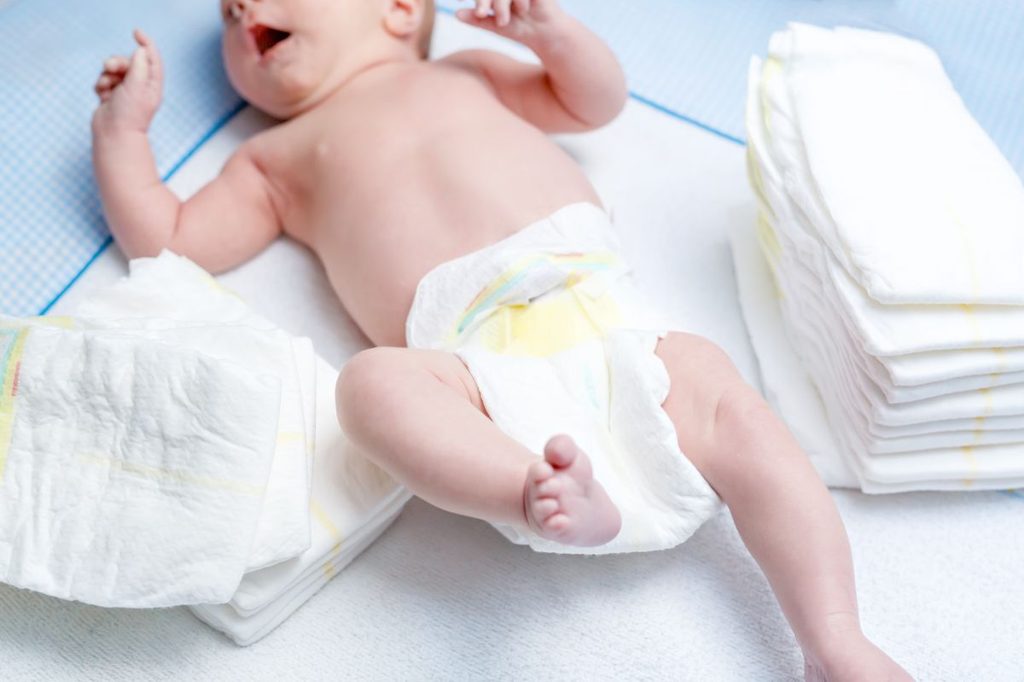
Nothing can truly prepare new parents for how many baby diapers they will go through in a day. Whether you’re using cloth or disposable, it can feel like you’re constantly changing diapers! And that’s because, at least when you have a newborn in the house, you really are changing your baby a lot.

It can be overwhelming for new parents when they first bring their baby home from the hospital as they try to navigate their new normal with a new little person in the house. Here are some general guidelines for all parents who find themselves wondering just how many diapers a day is normal.

Recommended Videos

The newborn phase

Baby In a diaper
Irina Wilhauk / Shutterstock

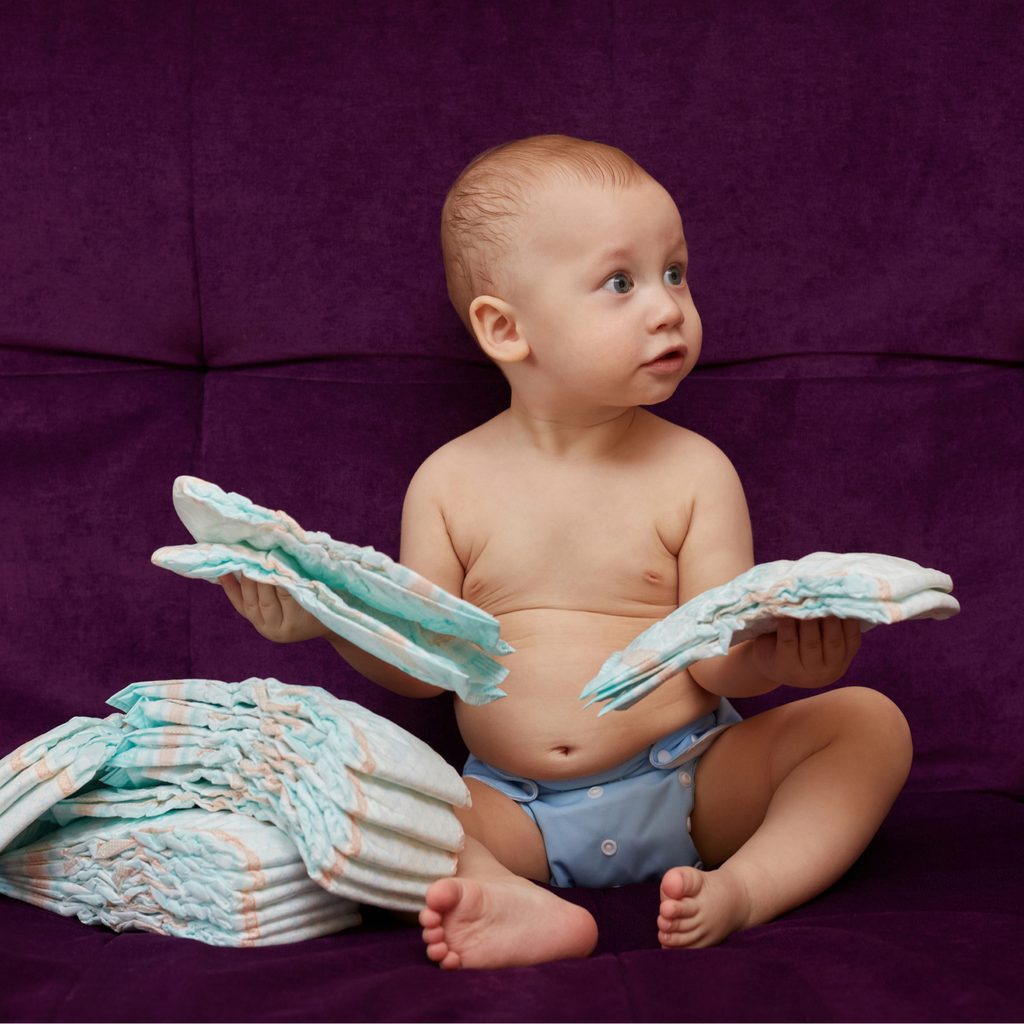
One of the most exciting parts of preparing your nursery for your baby’s arrival is stacking all those adorable, tiny diapers. From the time you bring your baby home from the hospital to around the 3-month mark, you’ll probably be changing your baby every 2 to 3 hours. That means you’ll be going through roughly 8 to 12 diapers per day, or around 700 diapers before they’re 3 months old.

Frequent diaper changes are important when your baby is a newborn to help keep their skin dry and healthy and prevent any risk of infection. However, you don’t want to run out and buy 700 newborn diapers before your baby arrives, as they may quickly grow out of them. Most diapers will come with a weight range listed, so buy accordingly.

As they get older
baby wearing a diaper
Shutterstock / Rawpixel.com

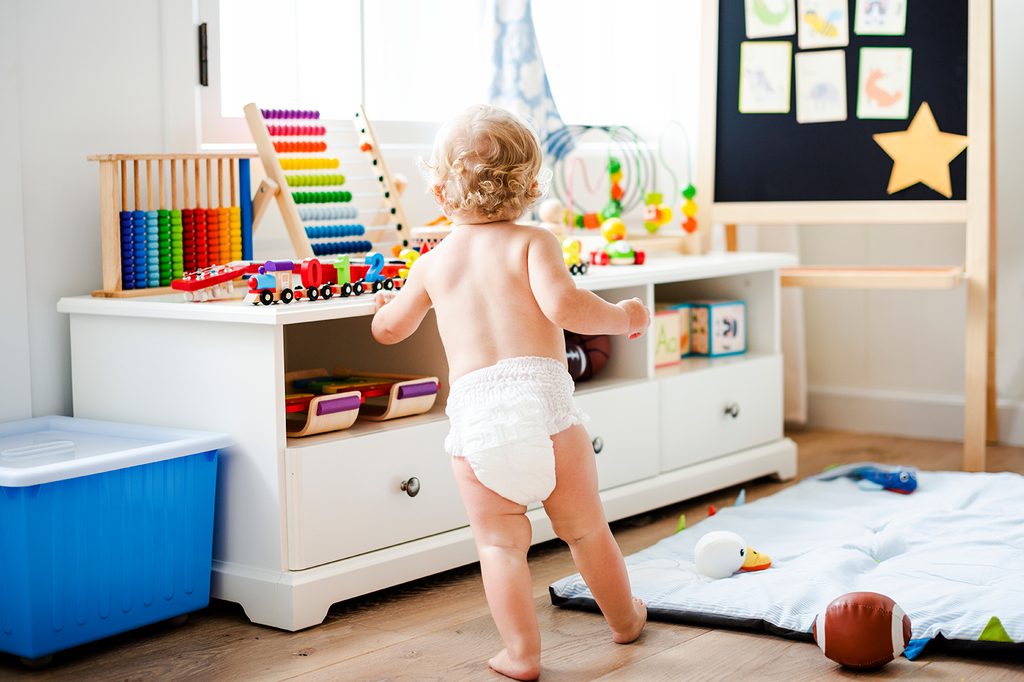
Fortunately, as your baby gets older and you start to introduce solid food, diaper changes become less frequent, thanks to their bladder growing and their bowel movements becoming less frequent. It’s still important to monitor your baby’s diaper and change it if it’s soiled. Sitting in a too-wet or dirty diaper for too long can irritate your baby’s sensitive skin and cause accidental leaks. Once your baby reaches 6 months old, you’ll probably only change their diaper five to six times daily, on average.

The first year
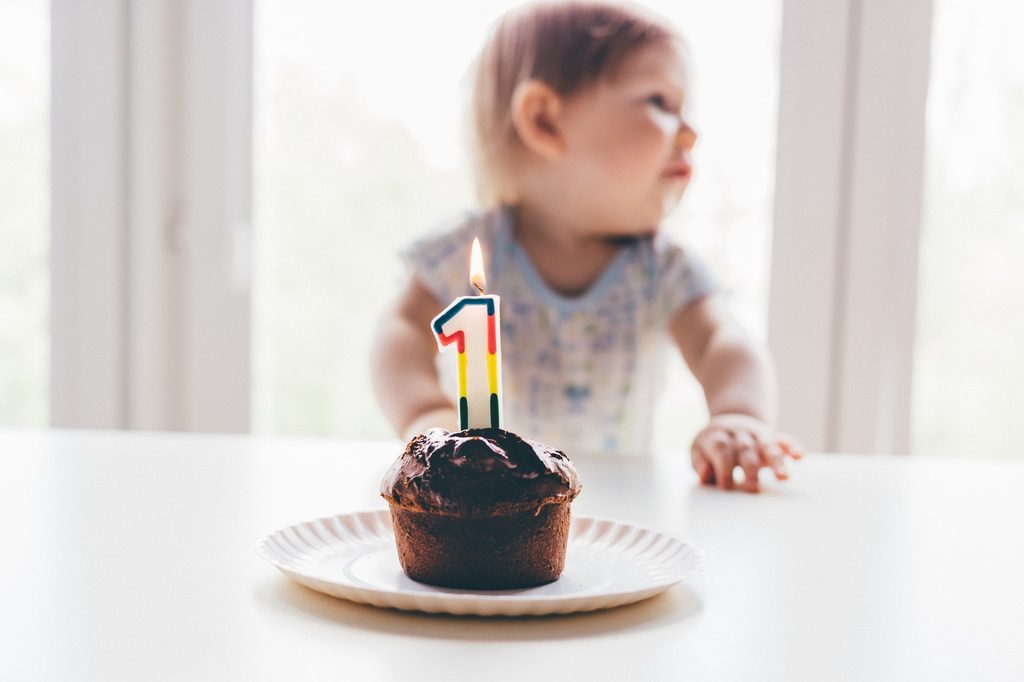
baby sitting with a first birthday cupcake
Freestocks / Unsplash

It’s hard to believe, but by the time you celebrate your baby’s first birthday, you’ll have changed anywhere from 2,000 to 2,200 diapers! At this time, you’ll probably have a handle on just how many changes your baby will need in a day, and how to anticipate when they will need to be changed.

It can also be tempting to stock up on diapers, especially when they go on sale, but keep in mind that, especially when your baby is smaller, they can grow out of them quickly. Try to have a variety of sizes on hand to ensure they’re wearing the size diaper that fits them best.

Diaper changes are a part of being a parent, and while it may not be the most glamorous job, it’s probably one of the most important. Keeping your baby’s skin clean and dry ensures they’re healthy and comfortable, and changing their diaper is a great bonding opportunity. Before you know it, you’ll be potty training and ready to say goodbye to diapers forever!

Kelli Catana
Former Author
Is your newborn eating too much? What to know about overfeeding
Cues to watch out for to let you know if you're overfeeding a newborn
Mother holding baby in nursery

Every parent knows the excitement and anxiety that comes when it's time to bring their baby home from the hospital for the first time. Besides the sleep schedule, many new parents may be worried about whether their infant is getting enough to eat. But is going the other direction something parents should also worry about? Is there such a thing as overfeeding a newborn? The short answer is yes. Overfeeding a newborn is a possibility, but it doesn't happen often.

Every newborn has differences in appetite where one might drink a bottle or breastfeed longer than another. Before you stress, don't worry. There are signs to be on the lookout for when it comes to giving your little one too much food. Whether it's your first or third child, if you are concerned about overfeeding your newborn, we have the information you need to know.
Why overfeeding a newborn is something you don't want to do

Read more
Recognizing early autism signs in toddlers: 6 things to know
Which toddler behaviors are quirky and which are red flags for autism?
Toddler boys playing a party game

The Centers for Disease Control and Prevention (CDC) has found that about 1 in every 36 children has been identified with autism spectrum disorder. If your child is on the spectrum, the initial diagnosis can be upsetting, but early intervention following a diagnosis is vital. The early signs of autism in toddlers, though, can be easy to overlook. If you have a child you think might be on the spectrum, it's best to know the early signs as your toddler develops.

There is a long list of possible signs as the autism spectrum is wide and diverse. One sign may appear in one child, but not in another. Certain early signs of autism are more common than others, which is why knowing the red flags is important. The earlier a child receives a diagnosis, the better the support system will be for them.
Understanding autism

Read more
Can you use a heating pad while pregnant? Here’s what you should know
Heat pads and pregnancy work together, just follow some precautions
Pregnant woman using heating pad hot water bottle

Pregnancy is an exciting time filled with awe and wonder, but it's also painful and uncomfortable. Experiencing all. the changes your body goes through as your baby grows is magical, but it's also kind of a pain. As pregnancy progresses throughout the trimesters, so, too, does the discomfort. From backaches to sore feet and sciatica to insomnia, pregnancy can be very hard on a person's body.
Often, a heating pad can provide some much-needed relief from those pregnancy-induced aches and pains, but many wonder if it's safe to use a heating pads while pregnant. Using heating pads during pregnancy can be an understandable concern.
Despite the relief they may give, many pregnant people are hesitant to use them out of fear the heat they produce may harm their baby. Fortunately, using a heating pad while pregnant can be very safe as long as you do so carefully and take proper precautions.

Why would you need a heating pad?

Read more