A woman’s body goes through many changes when she becomes pregnant, and it’s important that she pay extra attention to her health and nutrition, not just for the sake of the baby’s health but for her own. Pregnancy can cause food cravings as well as food aversions and can also make you super thirsty. We all know that proper hydration is important for everyone, but how much water should a pregnant woman drink?
Pregnant women are often told what they shouldn’t eat and what they shouldn’t drink, but many women wonder if they need to be drinking more water while they’re pregnant, or if they can actually drink too much water. Drinking the proper amount of water during pregnancy is extremely important. Keep reading to find out why, and how much water a pregnant woman should drink.
Why is hydration so important?
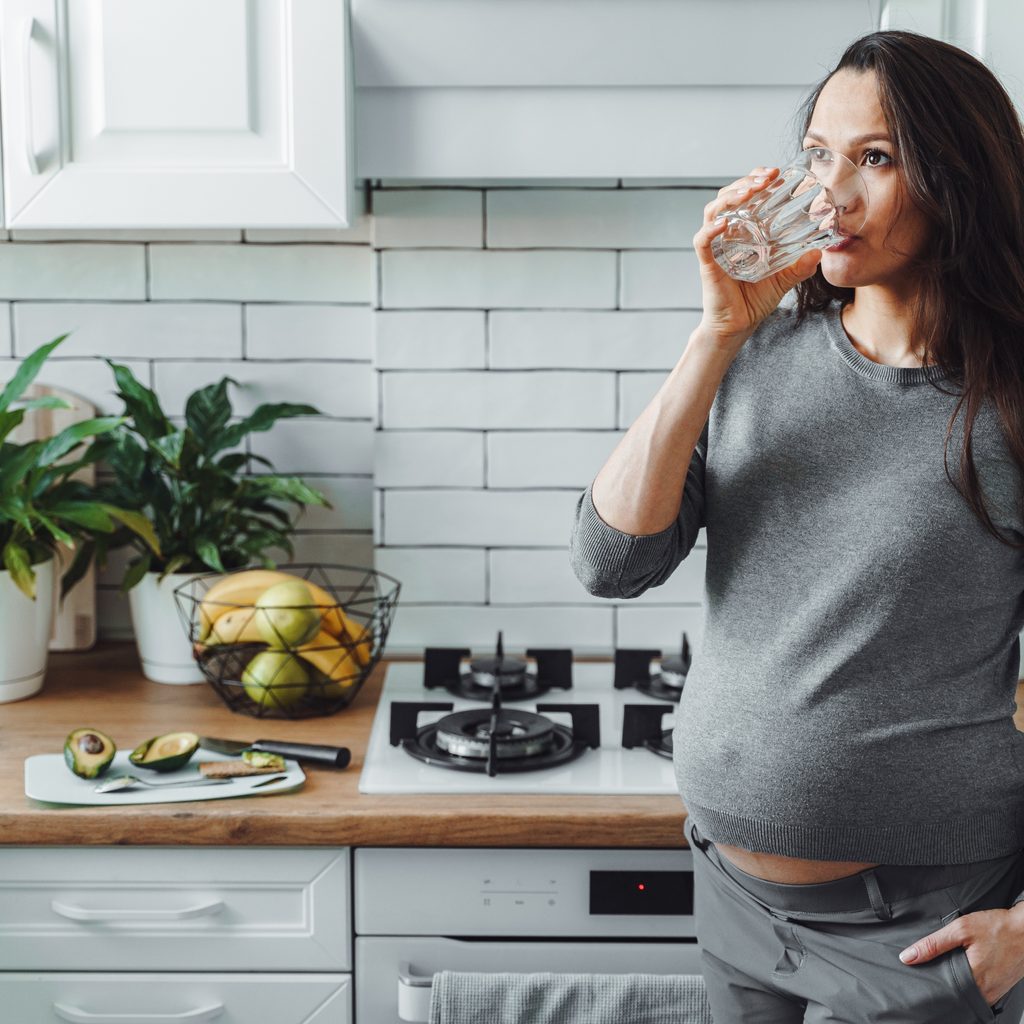
Drinking water is one of the easiest ways a pregnant woman can contribute to a healthy pregnancy because the benefits are so many. According to BabyCenter, drinking water aids with digestion, which can often be an issue for pregnant women, it can help regulate your body temperature, and create hormones. Pregnancy also increases your metabolism as well as contributes to a higher blood volume which requires more water. Many pregnant women suffer from swelling and constipation and drinking plenty of water can also help alleviate those problems.
How much water should a pregnant woman drink?
While adults who aren’t pregnant are typically advised to drink eight, 8-ounce glasses of water a day, pregnant women actually need to increase their water consumption beyond that. The American College of Obstetricians and Gynecologists note that pregnant women should be drinking 8 to 12 cups (64 to 96 ounces) of water every day. Not only does this increase of water help with the benefits listed above, but it also helps form the amniotic fluid around the fetus and aids in circulating nutrients throughout the body.
Can you drink too much water while pregnant?
It can seem that you’re always drinking when you’re trying to make sure you’re getting your 8 to 12 cups in a day, but there is very little risk that you will end up drinking too much water while you’re pregnant. Registered nurse Carrie Madormo tells Taste of Home that drinking 1 to 2 gallons of water in a short period of time can lead to water intoxication, but the risks of actually drinking too much water are minimal. “It’s possible to drink too much water when you are pregnant, but it’s not easy to do so. Morning sickness, acid reflux, and tiny bladders usually prevent you from chugging too much water throughout the day,” she said.
Is 4 liters of water a day too much while pregnant?
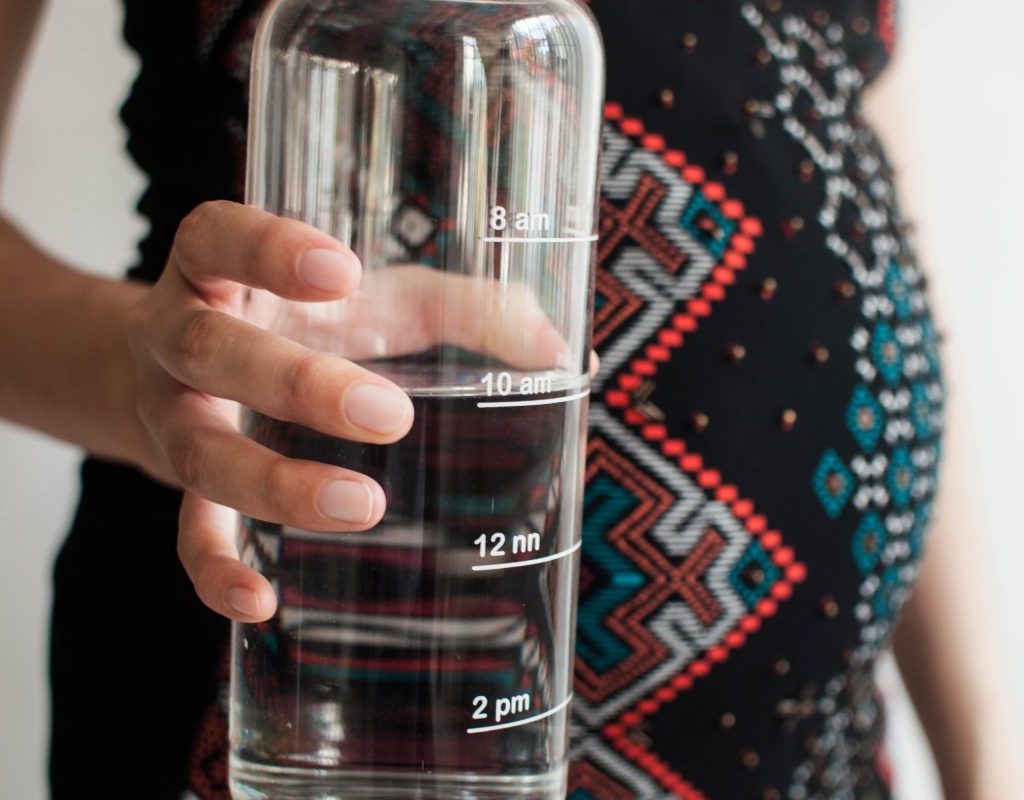
MedicineNet notes that a typical human body requires about two liters of water a day on average to support proper metabolism. Depending on your activity level or gender that may vary. Overhydration can occur when an individual consumes too much water in a short period of time. If a pregnant woman consumed four liters of water a day in a short period of time that could cause overhydration and result in health issues. Most experts suggest pregnant women steadily sip water throughout the day to ensure they’re drinking enough and not overhydrating.
What happens if I don’t drink enough water during pregnancy?
If you don’t drink enough water during your pregnancy you can put yourself at risk of becoming dehydrated. Dehydration can be especially worrisome for pregnant women because water is not only used to form the placenta but also used in the amniotic sac. Healthline warns that dehydration during pregnancy can cause complications such as:
- neural tube defects
- low amniotic fluid
- premature labor
- poor production of breast milk
- birth defects
Some signs of dehydration during pregnancy to watch for are overheating, headaches/sluggishness, extreme fatigue, and dark or concentrated urine.
Which trimester is water most important?
While ensuring you are properly hydrated throughout your pregnancy is important, the third trimester is where you will see your blood volume really peak. BabyCenter notes that it can increase by 50 to 60 percent compared to its pre-conception levels making adequate hydration incredibly important. This is also the trimester where women are advised to increase their caloric intake which also requires them to drink more water. Dehydration in the third trimester can also cause Braxton Hicks contractions.
It can often feel like a chore to drink those eight glasses of water a day when you’re pregnant, but it really is important to not only the health of the expectant mom but the baby too. Many women find it easier to have water bottles stashed throughout the house so they can take little sips throughout the day instead of trying to drink a glass at a time. If you’re struggling to drink enough water try to change things up by adding in some fresh fruit, making yourself an herbal tea, or indulging in food with higher water content, like watermelon or soup.