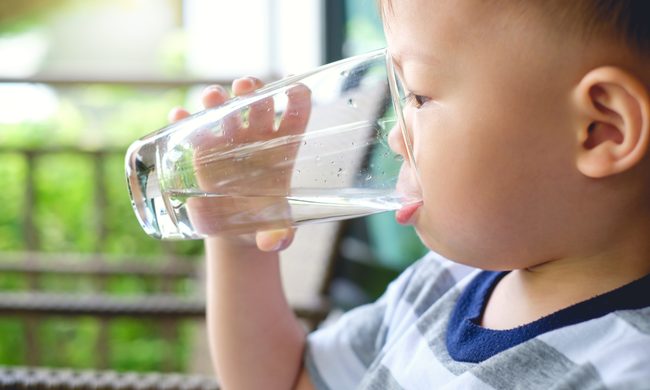
Bibs might be typically thought of as a must-have for young babies, but have you ever thought of just how useful they are in the care of toddlers, too? Toddlers might be slightly more coordinated than little babies, but they are infamous for continuing to create chaos. Here are just a couple of reasons why you should choose to dress your kid in a bib throughout their first few years, how to convince them to want to wear one, and how to pick out what type of bib is best for them.
Bibs are easier to clean than clothes
As children get older, their clothing will probably cost a little bit more per outfit than it did when they were infants. Though it might be frustrating to see your toddler accidentally get their clothes dirty while eating, those situations can often be avoided with the use of a toddler bib. Bibs can quickly be put on a child to avoid messes from being created elsewhere, which are arguably less quick to clean up. Many bibs are made of water-repellent materials or are machine washable. Both features make these protective garments easier to thoroughly clean than your average article of clothing. Yet other bibs have deep pockets that contain messes better than flat bibs, which can then easily be wiped or even dumped in the trash to be voided of crumbs or spills.

Involve toddlers in the process of picking a bib for them
Your toddler might initially be reluctant to the idea of wearing a bib, especially if they have a younger sibling and notice that babies wear bibs. However, ask any wee one what their favorite color or children’s character is and you’re sure to get an enthusiastic answer. Ease them into the act of wearing a bib again by letting them have a say in what bibs are bought for them. Since bibs come in myriad shapes and sizes, it is possible to pick a bib that your child will see as not being babyish. Be it a set of blue night sky-themed bibs or a few bibs with jungle animals on them, you’re likely to see your toddler welcome bibs more warmly if they are in a style that they like. It is probably also a good idea to explain to your toddler the value of keeping one’s belongings and clothes clean and how the use of a bib can help achieve that. Perhaps have them help with doing cleaning tasks around the house if you do not already to show your child what happens when things get dirty.
Toddler bibs can be great for messy activities besides eating, too
Many an older baby is interested in making slime or playing in dirt. Larger bibs and aprons are fantastic options for biblike things for your toddler to wear during these endeavors that might otherwise result in dirty clothes. Besides by choosing to dress your child in older or already stained clothes (maybe you have a set put aside just for getting soiled during messy pursuits), you can be even more reassured that your child’s outfit won’t get too unclean by purchasing them a smock. These coverings can catch much more than just the anticipated paint spill. Bibs can also prevent water or sand from getting on clothes. You can even bake muffins or cook pancakes with your toddler mess-free by giving them an apron, large bib, or smock.

Get aprons or smocks for the whole family
Everyone from baby to grandma can wear a similar piece of apparel to the toddler, as seeing older siblings and parents participate in the act of wearing an apron or smock could possibly instill a sense of independence in your child. Since these protective coverings are so versatile, your family could wear them while doing various happenings. From pulling weeds in the vegetable garden to popsicle stick and pom pom crafts, think over which projects your household can do all together while utilizing an apron or smock. If your kid wears such a garment during fun activities with the family, they might be more willing to wear one while eating. These family get-togethers can therefore be rewarding in multiple ways, aside from the obvious result of something enjoyable being done. Plus, you will avoid the needless washing of not only your toddler’s clothes but also those of everyone else in the house!
Consider the material and style of the bib(s) you buy
Whether you opt for a traditional pocket bib or a full-on apron for your toddler, you are likely to discover that your chosen product is available in a seemingly endless variety of fabrics. Some materials resist water better than others that are more absorbent. Highly absorbent bibs are probably not ideal for the eating and play habits of most toddlers; instead, leave those bibs for drool and milk messes typical of infants. You are likely to be more appreciative of rubberized or water-repellent bibs and aprons as these can be easily wiped clean. For instance, neoprene is what makes up wetsuits, but is often a component of bibs as well. Many classic smocks have a plastic outer layer that water runs right off of and that paint can be rubbed off. Furthermore, some bibs have deep plastic pockets that catch spills. These types of bibs can be rolled up for simple storage. Contemplate what exactly you will be having your toddler wear a bib or other protective garment for and take those purposes into account when selecting a product to be sure that you are picking one that best suits your family’s needs.
Have you noticed that your toddler is not as tidy as they can be? Do you want them to be able to enjoy messy activities without your getting a headache from the resulting disarray? Then purchase a toddler bib or other covering for them today. An object with more uses than initially evident, a bib, apron, or smock is perfect for that transitional period in a child’s life, when they are still learning how to coordinate their movements and how to be clean and tidy.