
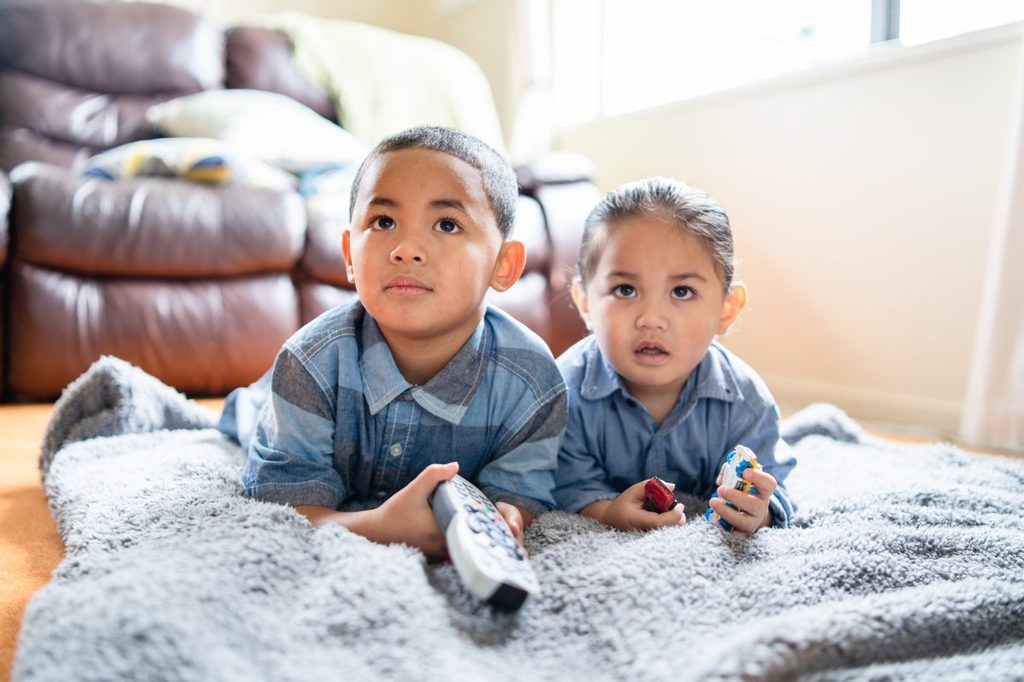
By now, every parent has gotten the message that the time their kids are watching TV should be limited. Parents are inundated with messaging around screen time and how much is too much, but the reality is that kids watching TV can often give parents a much-needed break. Whether it’s to get a meal ready, throw in a load of laundry, or simply enjoy a few minutes without a child asking you for something, letting your kids watch TV feels like an easy and harmless way to keep them occupied, but what amount is okay and how much is too much?
Watching TV can impact children in a few ways, and it all depends on multiple factors. For instance, are you spending time with them while they watch? How many hours per day do they spend glued to the tube? What shows do they watch? We’ve collected the important information so you can make the best decision about your child’s television intake.
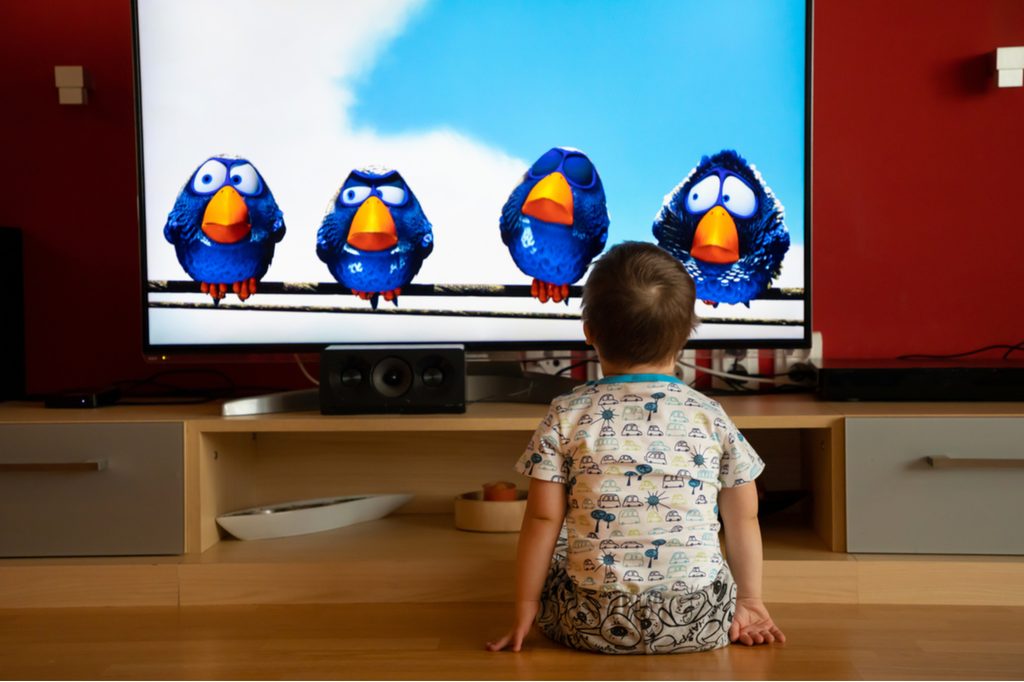
What age is too young for kids to watch TV?
According to pediatrician Dr. David Hill, MD, FAAP, “it takes around 18 months for a baby’s brain to develop to the point where the symbols on a screen come to represent their equivalents in the real world.” So, it’s important that babies get real-life social interaction, and not stare at screens all day.
But what’s the harm of them watching TV if it doesn’t mean anything to them? What if they just like the colors? Dr. Hill says, “Good evidence suggests that screen viewing before age 18 months has lasting negative effects on children’s language development, reading skills, and short-term memory. It also contributes to problems with sleep and attention.” He says even having the TV on in the background delays language development because parents talk and interact with a child less when the TV is on.
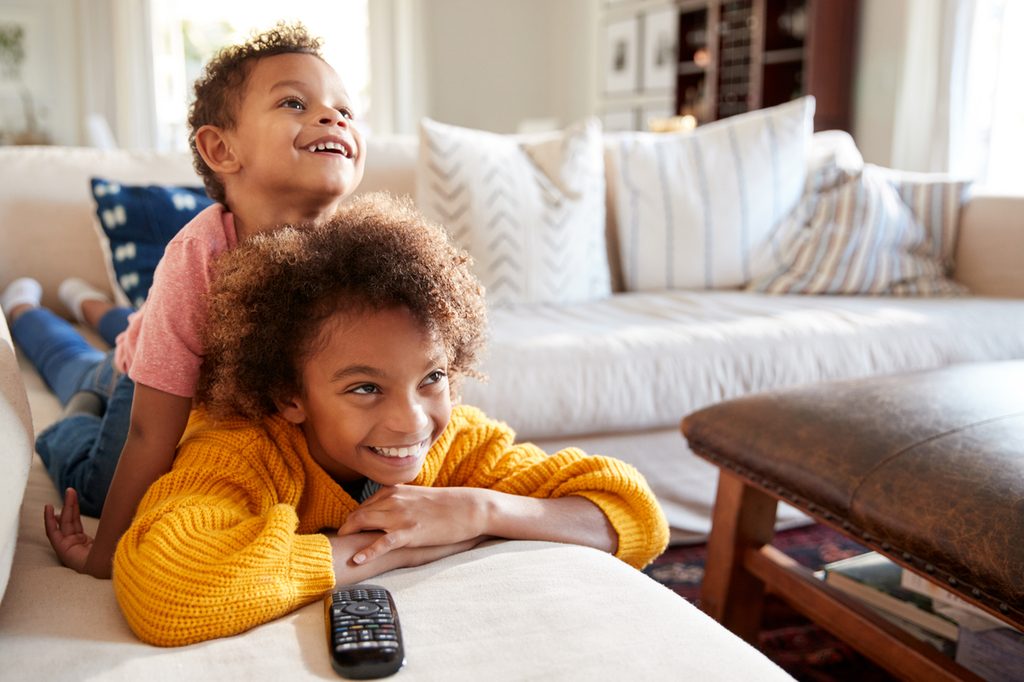
How does watching TV affect a child’s development?
Watching TV may seem harmless, but research has linked it to potential negative side effects in a child’s development.
- Delayed language development
- Delayed kindergarten readiness skills
- Attention disorders
- Sleep problems
- Aggressive behavior
- Fewer social skills
- Long-term negative effects on academic achievement
- Obesity
An hour here and there of screen time isn’t going to give your child all of these issues. It depends on how many hours and over what period of time a day or week they spend watching. Other factors in your child’s life like exercise, other screen time, outdoor time, social time, and other parenting choices play a part as well.
It’s best to watch shows together
We know that “co-viewing,” or watching together, mitigates these negative effects. If you watch TV with your child, spend time together, and ask questions about what they see, you engage a different part of their brain than when they zone out watching a show alone. You can also monitor what’s on the TV to avoid any inappropriate shows being watched.
Choose high-quality, educational shows for kids to watch. After the age of 2, children begin to learn from well-designed television shows. Remember – TV watching counts as TV watching whether it’s on a TV, phone, laptop, or tablet.
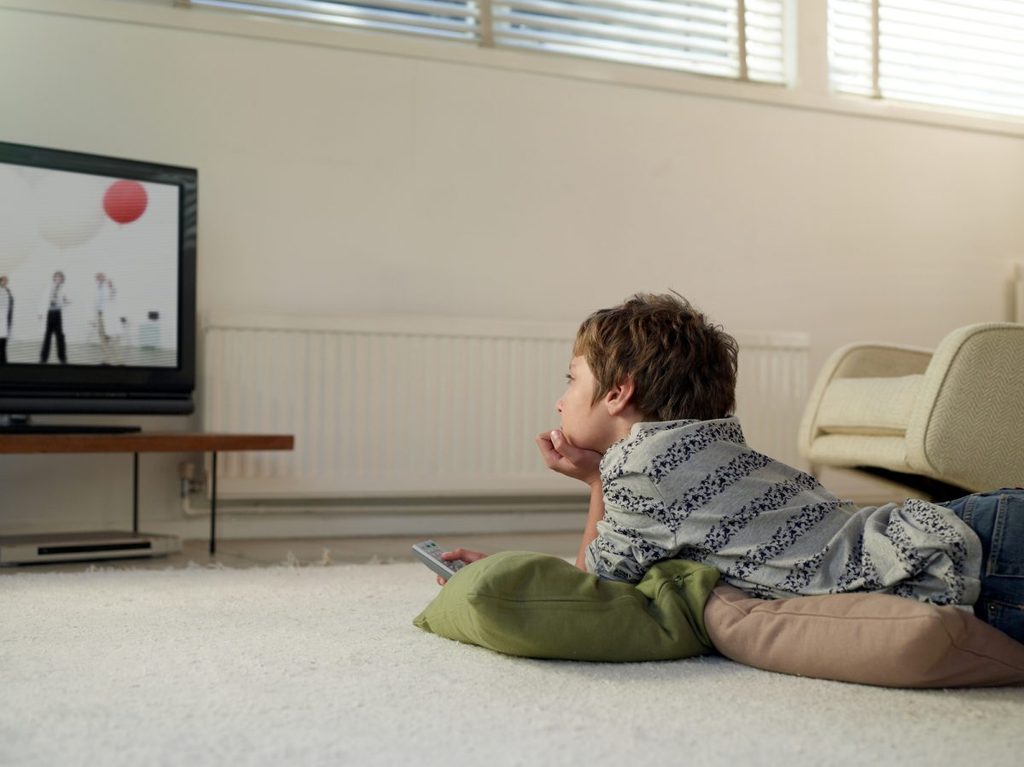
TV time limits – what amount is too much at what age
How much TV should a toddler watch per day?
The American Academy of Pediatrics recommends 1 hour or less of screen time for children ages 2 to 5 years old. They recommend none at all for children under 2 years old except for things like video chats with family. The World Health Organization gives the same recommendations.
How much TV should a child watch per day?
Above age 5, the official guidelines only say to use your best judgment and to “limit” screen time. Most American children spend about 3 hours per day in front of the bright light. The recommended cap of 1 hour goes away at age 5, but that doesn’t mean time should be unlimited.
You know your child’s lifestyle best. If your kiddo spends the day at school, sits down for dinner, plays sports, reads, has homework – and then wants to watch some TV – let them. By that point, it probably doesn’t matter, and bedtime is right around the corner. In other words, ensure your child’s day is balanced.
Kids watching TV: Best to limit it
Parenting isn’t easy, and the TV is a helper that makes it feel like you have an extra set of hands. But try to find alternatives as much as you can to keep your child entertained. The earlier children are exposed to TV, the more negative outcomes may come from it.
Good old-fashioned toys, some alone time, going to the park, a walk, or a visit with Grandma are all awesome alternatives. Even though it may be tougher and require more energy, make space in the day for non-screen time ideas. The habits kids build at a young age will stick with them for life. Teaching them to zone out with a screen could lead to that being their go-to coping mechanism in the future.
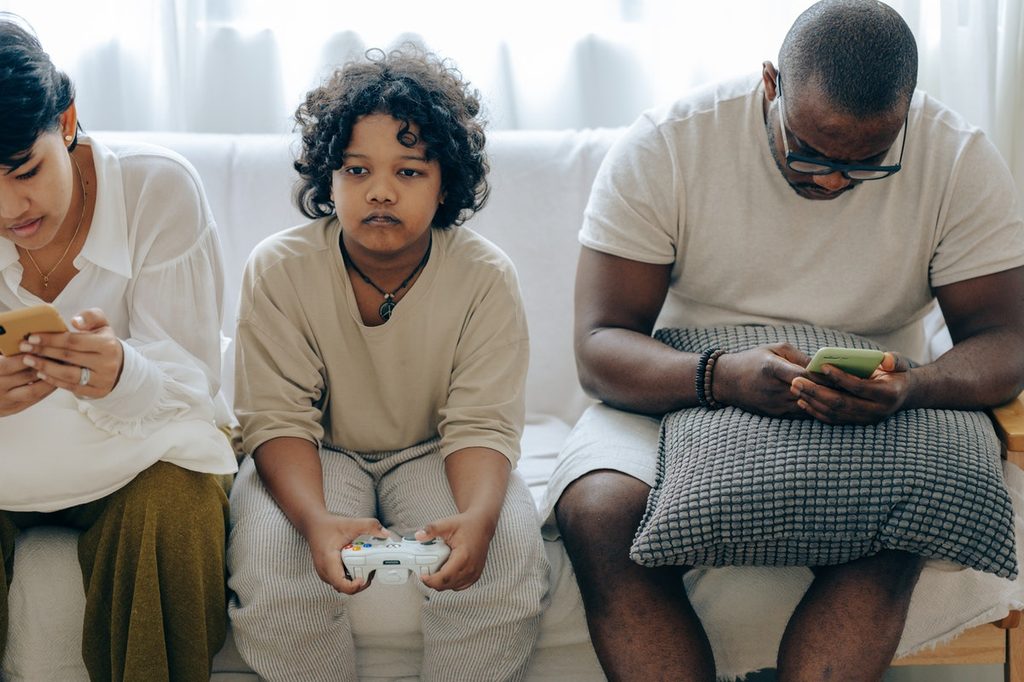
Be an example
One of the best ways to encourage your kids to limit their screen time and find other things to do is for parents to do the same. Kids learn a lot of their behaviors from their parents, which is why it’s important to set an example for your kids from when they’re young with regard to screen time.
Make it a point to turn the TV off and put the phones away during mealtimes, and ensure you’re spending time together. Also, try to turn all the screens off for at least an hour before bedtime, for your children and yourself, and spend that time together. Not only will this help you limit how long you’ll see your kids watching TV, but you’ll also curb your own screen time as well.
Try to balance between going easy on yourself and letting the TV take over with pushing yourself to avoid TV time as much as you can. When you need to put your tot in front of a screen, at least check that the show is more The Octonauts and less The Simpsons.