A woman’s body goes through a myriad of changes while pregnant, so it’s no surprise that you may be anxious to regain some bodily autonomy after you deliver! While losing weight is rarely a new mom’s sole focus, it is something that many women slowly begin to think about as they adjust to their new postpartum shape, and wonder how they can safely lose weight while breastfeeding.
It can often be a challenge for women to lose weight in general, but new moms who are breastfeeding might also struggle with ensuring they are getting enough calories to maintain their milk supply while also dropping some of the pregnancy weight. Here are some tips on how to lose weight while breastfeeding, easily and safely.
How to lose weight while breastfeeding without affecting milk supply
For many women, losing some of the weight they gained during pregnancy can be a struggle, especially if they’re breastfeeding. While some claim that breastfeeding helps the pregnancy weight “fall off,” that rule certainly doesn’t apply to every woman. But if you are breastfeeding and are hoping to start losing some of that pregnancy weight, it’s important to do so safely so that you don’t affect your milk supply. In general, breastfeeding burns between 500 and 700 calories each day, although this number can vary based on individual cases. You should always consult your doctor first before embarking on any diet plan after your baby is born to see how many calories you should be consuming.
Losing weight after having a baby is probably going to be just as easy or difficult as it was before you had a baby, and how much you want to lose will be affected by how much weight you gained during your pregnancy. The rule of consuming fewer calories than you burn in order to lose weight still applies after you’ve had a baby. Healthline notes that if you want to safely lose weight while breastfeeding and not affect your milk supply you should be consuming between 450 to 500 additional calories than what is recommended for your age and activity level. You’ll also want to ensure those calories are coming from healthy foods and that you’re avoiding foods high in sugar, carbs, and empty calories.
Shannon Davids, MD, an OB-GYN at Thomas Jefferson University Hospital in Philadelphia told The Bump that breastfeeding women should be consuming at least 1800 to 2200 calories per day to ensure they aren’t affecting their milk supply. “We definitely recommend that mothers not go on a particularly restrictive diet — nothing that’s lower than 1,500 calories a day, which wouldn’t permit a robust milk supply,” she said.
How to lose weight fast while breastfeeding
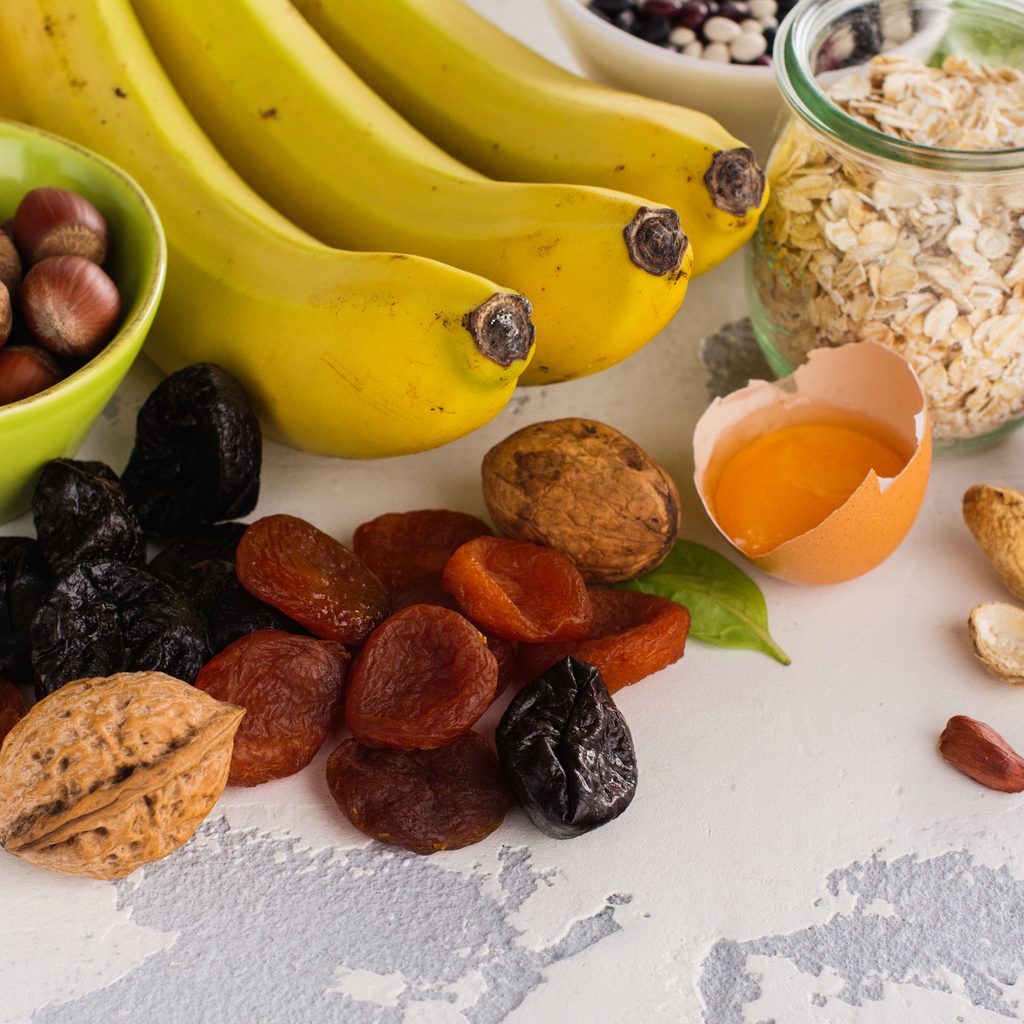
Mary Jane Detroyer, a New York City-based nutritionist, registered dietitian, and personal trainer also explained to The Bump that the most efficient way to lose weight while breastfeeding is to focus on eating healthy, nutritious meals instead of counting calories. “Add an extra ounce or two of protein at a meal, a cup of starch, and a quarter cup of veggies — that’s all you need,” she says. “Problems arise when you substitute nutrient-dense food for others because they’re quick and easy.”
A healthy lifestyle will also help a post-partum mom lose weight quickly while breastfeeding. Mustela writes that in addition to eating a healthy, balanced diet it’s important to also ensure you’re drinking at least eight, 8-ounce glasses of water a day, and getting as much sleep as possible. It’s definitely not easy to get a full eight hours of sleep at night with a new baby so it’s important to sleep when your baby naps if possible. Meal prepping can also help you be successful as you try to ensure you’re eating healthy. Having a new baby in the house is a lot of work so it can be tempting to grab something quick to eat, which isn’t always the best choice. Having healthy meal and snack options prepped and ready in the house will help you lose weight while also giving you the calories you need while breastfeeding.
Quick fixes won’t work
It can be tempting to try a restrictive diet to quickly drop some pounds after having a baby, but that isn’t a healthy or safe way to lose postpartum weight. Most experts suggest that a 1.5 to 2-pound weight loss per week is a safe goal for new moms. Restricting calories can have a negative impact on breastmilk, and the weight loss results will probably not be sustainable. “Every woman wants to return to her pre-pregnancy weight as quickly as possible. But if you’re breastfeeding, it’s really important to focus on foods that are nutrient-dense so you have the energy to care for your baby, to put towards all of your other responsibilities, and to exercise,” explained Leigh-Ann Webster, a licensed wellness coach, certified personal trainer and nutrition-for-fitness coach to the San Diego Breastfeeding Center. “Remember that producing milk takes a lot of your body’s resources and energy!”
If you’re a new mom who is struggling to lose the baby weight, you should always contact your doctor before starting any diet to ensure you’re doing so safely. They may also refer you to a specialist if you’re struggling with body image issues or if you need the help of a dietician to work on a meal plan. It can be frustrating for many new moms who struggle with their new postpartum body, but a healthy diet, combined with slowly introducing exercise when approved by your doctor, can help you lose pregnancy weight safely.