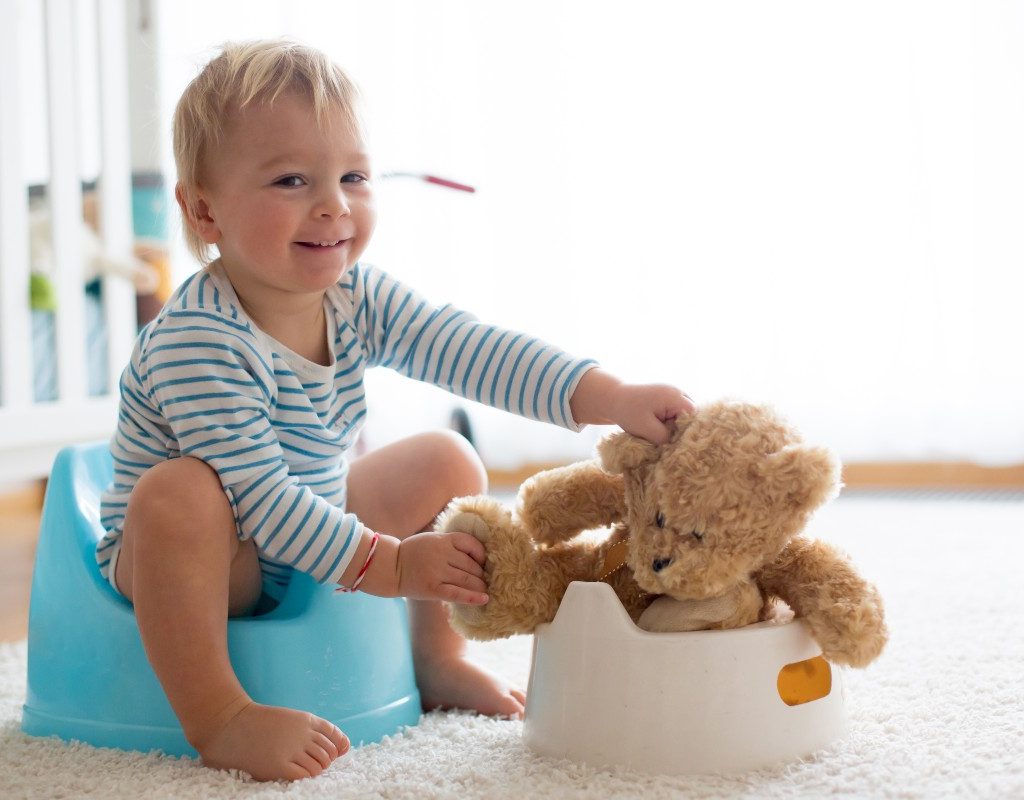
The price of diapers alone is enough to make a parent wonder when their child will be potty trained. But when it comes time to teach your little one how to use the bathroom like a big kid, it could feel like an overwhelming task. This is a huge milestone for both of you, and if you need a little help getting through it, here are the best potty training tips to have handy.
Before potty training starts, keep a few things in mind
Potty training begins before you ever put your little one on the toilet. Parents, you need to be in the best headspace so the first training session doesn’t end with everyone in tears on the bathroom floor.
Parents need patience
There will be setbacks. There might be wet pants, wet beds, or soiled underwear. As the parent and adult, you need to have patience. This is a big transition for your child, and they need a parent who will help them at every step without judgment.
Parents shouldn’t force potty training
Each child is different and goes at their own pace. If you try to force your child to potty train before they’re ready, you could cause emotional damage and scare them from wanting to learn.
Don’t forget to let everyone know training is happening
Once you decide to start toilet training, let anyone who would be helping know. If your child goes to daycare, stays at a relative’s house, or someone other than you watches them, talk with those people about the routine. Potty training will not happen without everyone being on the same page.
These are the best potty training tips
Once everyone is ready to start toilet training, work through these tips to make sure teaching a little human a new life skill goes as smoothly as possible.
Explain while you go
Your child follows you to the bathroom every time anyway, so you might as well make it a learning experience. Explain what you do while going to the bathroom step by step and answer any questions. Some of us are visual learners.
Find a seat your child likes
If your child doesn’t fit on the toilet yet, you’ll need assistance. Whether you use a potty-training toilet or a training seat that goes on the regular toilet, let your child have a say in which one they want to use. The more you involve them, the more comfortable they will feel about using it.
Have set times to try to go
Until your child understands what the feeling to go means, have a set schedule for them to try to go. Times like when they wake up and before they go to bed, but also before and after meals and naps. Talk with your child about what their stomach feels like on the times they do go and how that’s different from when they don’t go.
Don’t put them in complicated clothes while training
Overalls on toddlers are so adorable — but good luck getting those off in time for the bathroom for a child on their second day of toilet training. Easy, loose-fitting clothing your child can pull up and down on their own is best. No snaps, buttons, zippers, or anything complicated. If you could even let your child be down to underwear until training is over, that would be great.
Be positive and use praise
Whether your child has an accident, doesn’t tell you in time to get to the toilet, or any other setback happens, only respond in a positive way. You don’t want to attach shame to having to go to the bathroom. Make sure to use praise for any step your child has while potty training — even if they don’t go, but they tried — but make sure you praise correctly. Let your child know they should be proud of themselves. Build up the confidence your child needs to tackle toilet training by letting them know they are the ones doing a great job.
Let your child bring a book or toy
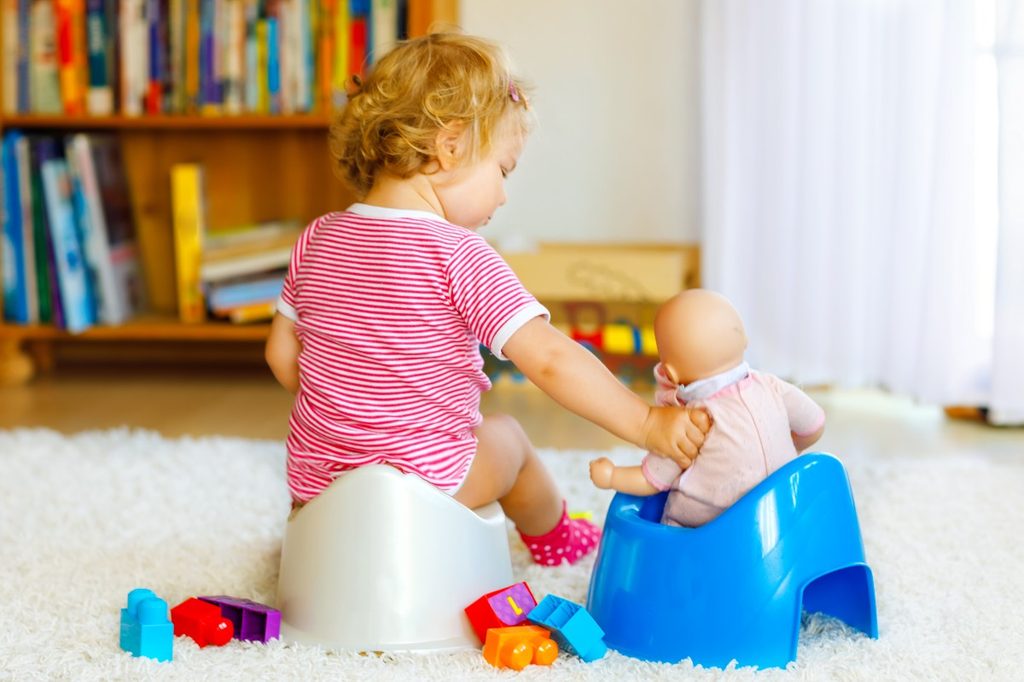
Yes, we still take our phones to the bathroom, so we should give the child something while they go. Give them their favorite book or fidget toy to help keep them calm and to help with constipation or stage fright.
If you’re struggling, don’t be afraid to ask for help
Go to the pediatrician if you and your child are just not getting it when it comes to potty training. They should have tips or advice for your specific situation. Don’t be too proud to ask for help — we all need it.
The whole process may take kids anywhere from a few days up to a few months to completely get the hang of it, so using these potty training tips will make it go by faster with fewer setbacks. Make the time enjoyable for your child so the transition between being a baby and a big kid is exciting for them. And remember, once they are potty trained, you can spend that diaper money on better coffee.


