
Everyone has a different style of parenting and most people can agree that what works for them may not work for others. What most parents can agree on is that everyone is just doing their best to raise kids who are responsible and not ungrateful brats!
Parenting is one of the toughest jobs in the world and it’s definitely not always easy to teach your children how to be responsible, but if you’re consistent and model your own personal responsibility chances are you won’t have to deal with a spoiled brat. Here are some tips on how to raise a responsible child.
What is responsibility?
The Center for Parenting Education asked parents what they considered ‘being responsible‘ means when it comes to their kids, and their answers included: being dependable so people know they can count on you, being on time for commitments, being accountable, acknowledging when mistakes are made, and contributing to the family. These are all traits that are important in order to grow into a responsible, trustworthy adult.
Why is teaching kids responsibility so important?
Responsible children grow into responsible adults, and we can all agree that responsibility is a necessary trait for a successful adult. So, start young! “Ingraining responsibility in children is not a trick but is simply teaching them life skills,” Dr. Karen Ruskin, Psy.D., and author of The 9 Key Techniques for Raising Respectful Children Who Make Responsible Choices told Care.com. “Kids who do not have responsibilities feel entitled and think the world will always do for them.” It can often be difficult for parents to hand the reins of responsibility over to their children, but it really is important for kids to learn.
How to teach kids responsibility
Responsibility can mean different things based on your child’s age. Younger children and middle graders might require a bit more guidance and help to remember to do certain tasks or be on time, but as children grow into the tween and teen years, it becomes more important that they become personally responsible.
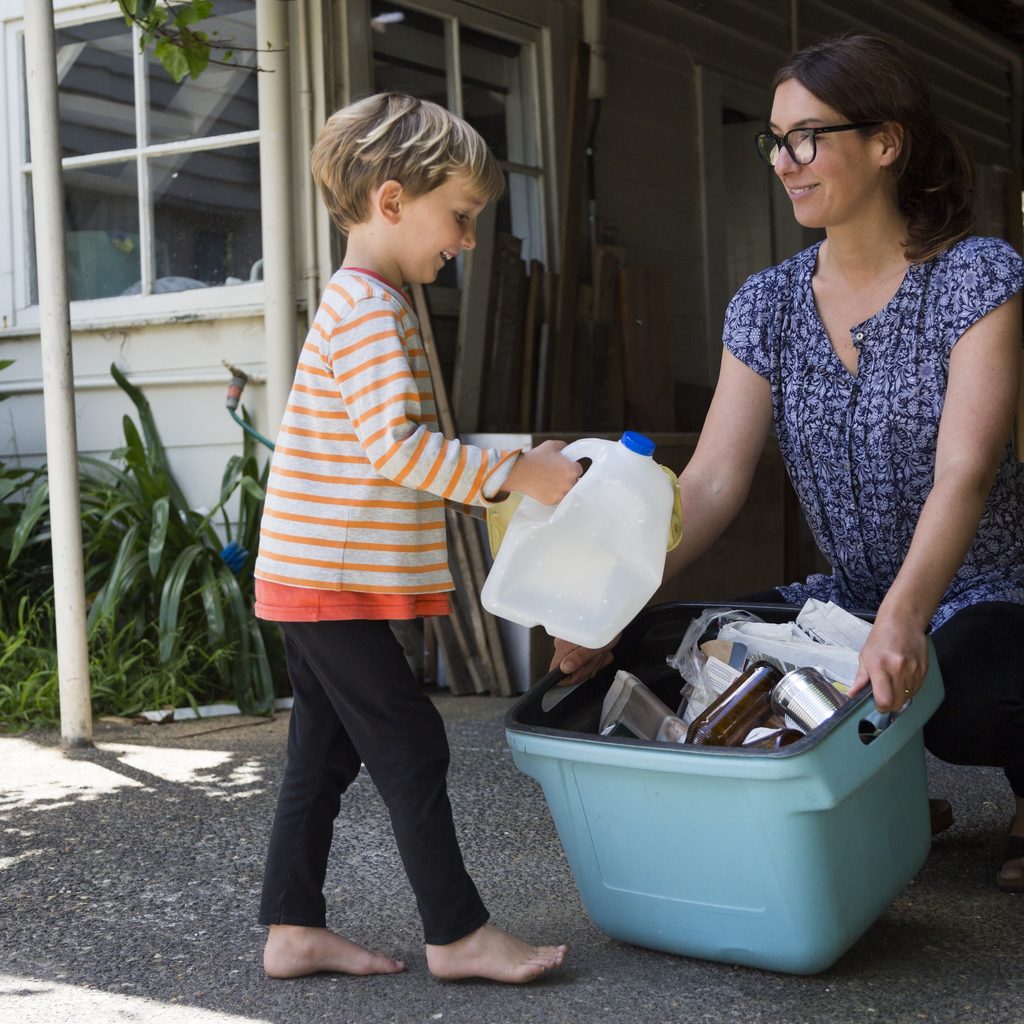
That said, just because younger children might not have as much responsibility as their teenage peers doesn’t mean you shouldn’t start teaching them how to be responsible at a young age. Parents can start as early as the toddler years to encourage their children to help with things like tidying up after playing, or in the kitchen after getting a snack. Teaching toddlers how to clean up after themselves and put their shoes and coat away is a great way to introduce children to personal responsibility, and as they grow older, their chores can expand. Giving your children age-appropriate tasks ensures success and is a great way to encourage responsibility at home.

Let them contribute
When it comes to responsibility, it’s important to teach kids that they need to not only practice personal responsibility but also responsibility towards others. Research shows that kids who help out around the house are more likely to help others in social situations than those who are only responsible for their own personal needs, according to Aha! Parenting. Even if the task you give your child will take longer and not be done as well as if you did it, it’s important to let them try and learn instead of simply doing it yourself. Eventually, your child will get better at doing that task and enjoy the satisfaction that comes with helping out. Alex Barzvi, licensed, clinical psychologist and co-host of the talk show “About Our Kids” on Sirius Doctor Radio explained to Care.com that giving a child responsibility can also affect their self-esteem. “It’s also about an attitude, the idea of taking action and being proud of doing it, not just always having your mom and dad do it for you,” Barzvi stated.
Provide them with the tools they need
Parents sometimes forget that tweens and teens might need some help to be responsible. Verywell Family suggests parents ensure their child has the tools they need to be able to keep track of new responsibilities. Maybe your child would benefit from having a planner to write down chores, or maybe they need help using their smartphone to set reminders. It can be overwhelming for kids to suddenly assume responsibility for something their parents previously took care of, so be sure to equip them with the tools they need to be successful.
How to raise a responsible child: Consequences are important
Part of teaching children responsibility is also teaching them that there are natural consequences when they aren’t responsible or don’t do as they’re asked. “It is ultimately your child’s choice to not put a toy away,” Barzvi explained. “Parents are afraid to let kids suffer, be sad, or angry, but if we always solve children’s problems, they will not learn to be responsible as they grow up.” As much as you want to be able to help your child by bringing them something when they forget it or picking up after them because they left a mess, doing so doesn’t teach kids to be responsible.
Teaching responsibility isn’t always easy, but it’s it can definitely help in raising a respectful, responsible kid and not a spoiled, ungrateful brat.