Between morning sickness in the first trimester and feeling as big as a house in the third trimester, when do pregnant people actually get to experience that magical, happy glow of pregnancy? Thankfully, most do get to in the second trimester, aka “the sweet spot” of pregnancy.
The second trimester is a welcome break for many expectant parents who may get to feel like themselves again after the nausea and fatigue of the early weeks of pregnancy. Ahead, we’ll answer all of your second trimester FAQs like “does the second trimester start at 13 or 14 weeks?” and what you have to look forward to.

When is the second trimester?
Pregnancy is divided into three stages, or trimesters: the first, second, and third. The second trimester lasts from weeks 13 to 28 of pregnancy. (Remember, there are 40-42 weeks total and conception occurs at weeks 2 to 3.) The second trimester is the middle of pregnancy.
What happens to the baby in the second trimester?
At Week 13 of pregnancy, the fetus is about three inches long. By Week 28, it has grown to about ten inches long.
According to American College of Obstetricians and Gynecologists (ACOG), the following development happens to a fetus during weeks 13 to 28:
- Bones harden
- Toenails form
- Lower limbs develop
- Hearing starts to develop
- Lungs form tissue that will allow the baby to breathe after birth
- The part of the brain that controls motor movements fully forms
- The digestive system starts working
- Soft hair starts to cover the body
- Genitals form
- Sucking reflex develops
- Fat forms under the skin
- Ridges that will be fingerprints form
- Eyelids can open and close
What happens for mom during the second trimester?
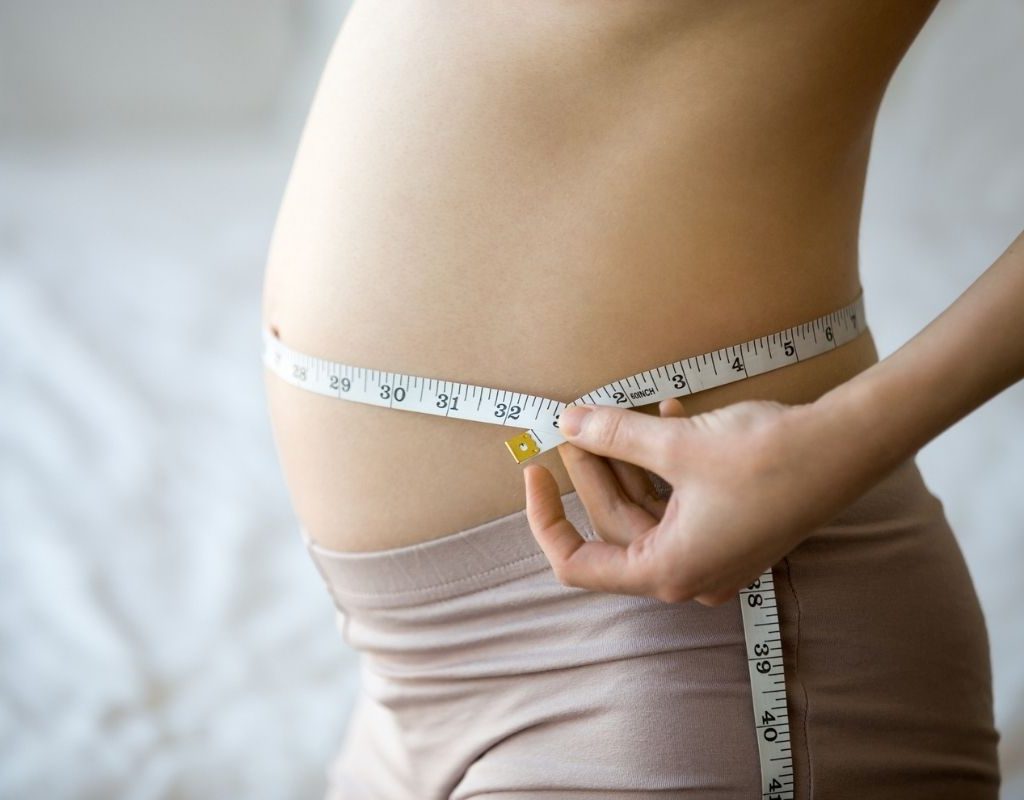
For many pregnant people, the second trimester is their favorite. The first and third trimesters have some negative symptoms associated with them, but the second has fewer. Instead, there are positive side effects that appear, like a surge of energy, pregnancy glow, and a visible bump beginning to grow.
Many people announce their pregnancies when they reach the second trimester because the risk of miscarriage decreases after getting out of the first trimester. It can be a happy time of cute announcements in person and on social media. As your bump starts to show strangers can also begin to tell you’re pregnant which can be an exciting milestone. You can start thinking about a maternity photoshoot, baby announcement ideas, nursery decorating, planning a baby shower, and all of the other fun stuff you may have been nervous to get excited for or didn’t feel well enough to enjoy early on. Everything begins to get closer and feel more real.
The second trimester also includes bonding between mom and baby because you begin to feel kicks for the first time and see the 20 week anatomy scan. This is the ultrasound where people traditionally find out the sex of the baby if they so choose. Getting to see your baby on the ultrasound for potentially the first or only time can be a huge morale booster at the halfway mark. Finding out the sex can also make everything more real and help with choosing a name, making a registry, and decorating a nursery.
With the return of energy, expectant moms can get back to activities they may have paused during the first trimester and with the secret of their pregnancy no longer hidden, they can talk openly with friends and family about their excitement for the future.
It may not all be roses and sunshine, however. The second trimester can also bring round ligament pain, varicose veins, and heartburn in part due to gaining half a pound to one pound per week. The ACOG estimates you may need to eat about 340 extra calories per day to accommodate this growth. Remember that your placenta, uterus, and more parts of your body are growing in addition to your baby, too, and that much of your weight gain comes from fluid volume, your placenta, and other factors, not from fat deposits. However, the growth of the second trimester is not like the uncomfortable size you may reach in the third trimester, hence the “sweet spot”.
Second trimester: What to expect
Thankfully, many people can expect a physical and mental respite during the second trimester. There are several parts to look forward to, from finding out the sex of the baby to revealing the pregnancy to friends and family. Plus, most expectant mothers enjoy an end to morning sickness at this time. Every pregnancy is very different and there is no guarantee that morning sickness will end right at Week 13 or that every symptom will present the same for you just because it is common. That said, just getting closer to meeting your baby as your pregnancy progresses can make for a wonderful stage.