When you are ready to bring your baby home, it is an amazingly exciting time for you and your family. You have babyproofed the house, and every corner is safe. You have their baby swing covered, and their nursery looks absolutely adorable and ready for its newest little tenant to move in! When bedtime or naptime rolls around you have made sure that your infant’s crib is as safe as it can be. But have you considered a sleep sack? “What is a sleep sack?,” you may ask. Well, it’s a great option to swaddle your newborn with, or even just to keep them from flailing their little arms and legs about while they are trying to go to sleep. Here, we break down all the things that you as parents should know about sleep sacks.
What exactly is a sleep sack?
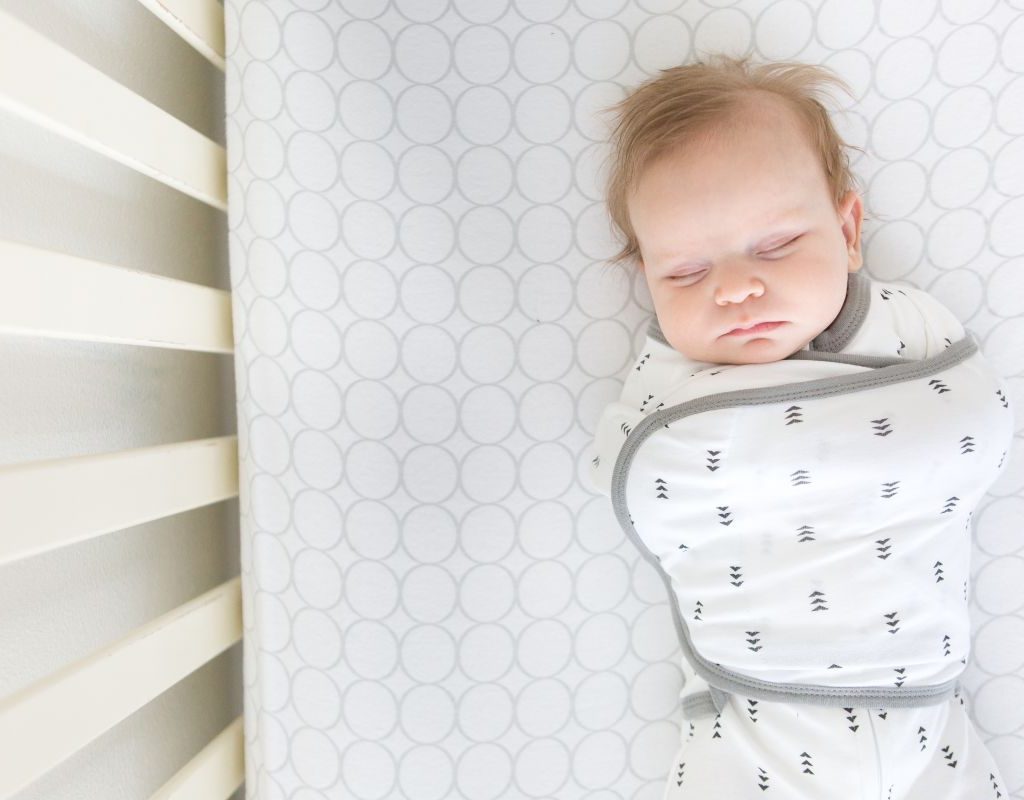
Sleep sacks are there to take the place of any loose blankets that your child may have been given to sleep with. In short, what they are is essentially a bodysuit that is typically made out of cotton, to keep your baby cool. Instead of using those, using a sleep sack is a much safer option for them to sleep with. By swaddling them inside of a sleep sack, they will feel a greater sense of security and serenity for a wonderful night’s sleep. They can even keep the temperature of your baby from getting too hot. Plus, they also protect against those “startle reflexes” that newborns can have and they end up waking themselves up. They are a great tool to have when you are trying to teach your child a sleep routine, as well.
Benefits of a sleep sack
There are plenty of benefits when it comes to your baby having a sleep sack for when they are ready to get some shut-eye. Not only has research proven that a sleep sack for babies can significantly reduce the risk of Sudden Infant Death Syndrome, but they are great for making sure that your little one is safe and sound at night and that you, as parents, have peace of mind. They can help you and your child to create a bedtime routine, so soon they will learn to associate that the sleep sack means that it is time for some snuggles and then sleepy-time. Another perk of the sleep sack is that you are able to fully see your child’s face, and you are able to see that they are okay.
From swaddling to open arms
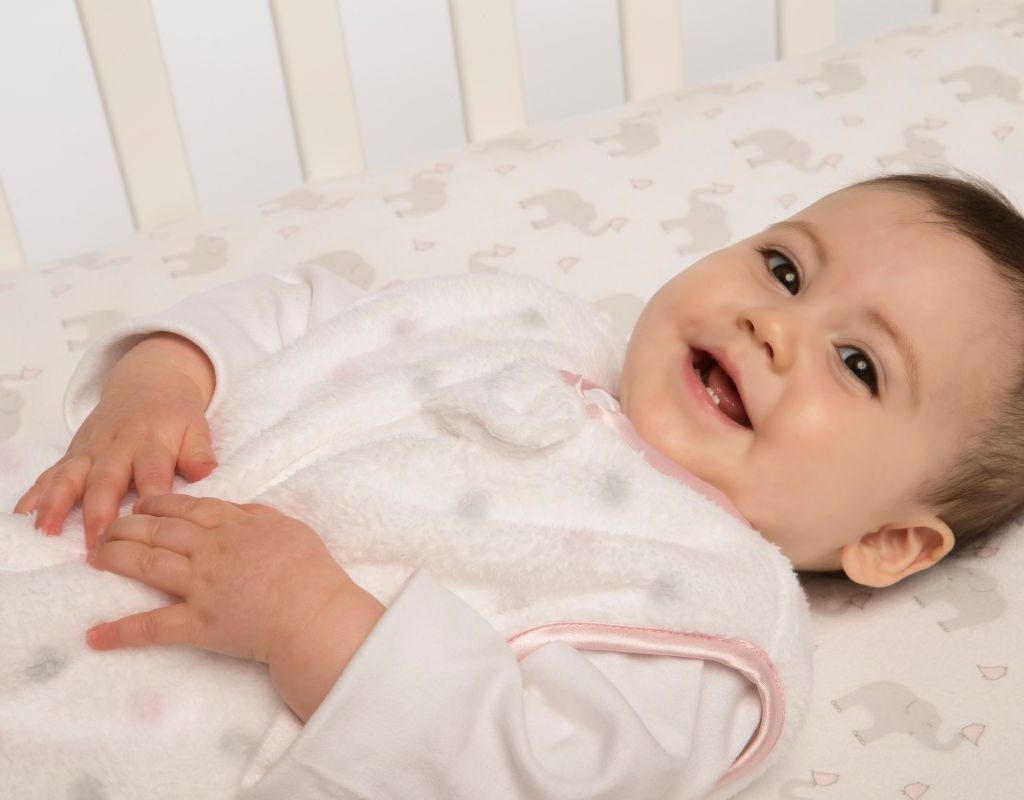
Swaddling with a sleep sack with your newborn should be used with babies that are approximately two to three months old because of the babies beginning to roll over. Past that, you can convert it into a sleeveless gown, which will still keep them protected, but they won’t keep them awake at night trying to break free from a swaddle. But it is imperative that you assure that you purchase the right size for your baby. Different varieties of sleep sacks are available that are convertible, like the Woombie Womb To World™ design, allow for swaddling in the beginning, and then when the time comes to change over to sleeveless, it makes it easy and done in a snap! Not to mention, they are made from a variety of materials, from cotton to bamboo, so you can find the best choice for your baby.
History of the sleep sack
Sleep sacks are more than 50 years old! In Finland, baby sleep sacks were given to mothers from the Finnish Maternity Act, which was established in 1938. They gave them out beginning in the 1960s. Plus, the Netherlands has one of the lowest infant mortality rates in the world. They caught on pretty quickly. Probably the one that we have heard of the most, the Halo Sleep Sack, was the result of a tragedy. Bill Schmid lost his daughter Haley to SIDS. Schmid, who was an engineer, set out on a quest to make sure no other families suffer a tragedy as he did. He designed the breathable sleep sack that moms know and love today.
The benefits of a sleep sack can greatly improve your little one’s sleep. Plus, the fact that they can decrease the rate of SIDS is a singular great benefit to getting a sleep sack. If you are considering a sleep sack but are not sure about it for your baby, you can always speak to your child’s pediatrician to see what they have to say about it, as they can guide you in the right direction if you have any questions about it. Ultimately, it is up to you as parents what you believe is best for your little one!