
  1. Home
  2. Stages
  3. Evergreens

A new study says pregnant women should do this before bed

Pregnancy tip: Dim lights before bed to help reduce risk of gestational diabetes

Add as a preferred source on Google
Bedside with lamp and pillows
Image used with permission by copyright holder

Most pregnant women take their health very seriously. They work hard to make sure they’re eating well and staying active to help grow the healthiest human possible and avoid any issues that could impact their pregnancy. One of those issues is gestational diabetes. The CDC reports that anywhere between 2% and 10% of those tested will develop gestational diabetes during their pregnancy.

While eating a balanced diet is a big factor and a common pregnancy tip in preventing gestational diabetes, a new study published in the American Journal of Obstetrics and Gynecology Maternal Fetal Medicine suggests that prolonged light exposure at night can also increase a pregnant person’s chance of developing this potentially harmful condition.

Recommended Videos

Turn off the lights earlier

The study showed that of the 741 women involved in the study, those who developed gestational diabetes had a greater exposure to light in the 3 hours before bed than those who didn’t. “Our study suggests that light exposure before bedtime may be an under-recognized yet easily modifiable risk factor of gestational diabetes,” Dr. Minjee Kim, lead author of the study out of Northwestern University, said in a statement.

Pregnant woman eating
gpointstudio / Shutterstock

The risks

The study also notes that there has been a rise in the occurrence of gestational diabetes over the last few years. In 2020, gestational diabetes was present in 7.8% of births in the U.S. “It’s alarming,” Kim said. “Gestational diabetes is known to increase obstetric complications, and the mother’s risk of diabetes, heart disease, and dementia. The offspring also are more likely to have obesity and hypertension as they grow up.” Now, it seems that in addition to eating well and staying active, simply reducing your exposure to light before bed can help reduce the risk of gestational diabetes.

Pregnant woman relaxing on a couch with her laptop
Yan Krukau / Pexels

Potential sources

It can be tempting to surf the internet on your phone or laptop or watch some TV before bed, or maybe even read a bit before turning in. Unfortunately, any of this can expose you to bright lights which, according to this study, can be harmful. Dimming the lights while doing this may help mitigate any risks. “We don’t think about the potential harm of keeping the environment bright from the moment we wake up until we go to bed,” stated Kim. “But it should be pretty dim for several hours before we go to bed. We probably don’t need that much light for whatever we do routinely in the evening.”

For many women, those precious hours before bed are the only time during the day they can relax, and that often involves watching a favorite show or surfing online. Kim suggested not using electronics for 3 hours before bed, but if that isn’t realistic, try keeping the lights dimmed. “Try to reduce whatever light is in your environment in those 3 hours before you go to bed,” Kim said. “It’s best not to use your computer or phone during this period. But if you have to use them, keep the screens as dim as possible.”


Kelli Catana
Former Author
Ear piercings for kids: A complete guide for parents
Thinking about ear piercings for your children, read this first
cute baby sitting in a box with pierced ears

Do you have ear piercings? Many people do. Most get their ears pierced for the first time as teens. For some, ear piercings are typically dictated by family and cultural traditions. Some parents believe strongly in getting their child's ears pierced as infants or toddlers.

While others wouldn't consider it until their children are older. For parents who don't have ear piercings, the decision may not even come up until your child asks. So, if you have questions about when, where, and how to go about getting your child's ears pierced, we've got your go-to guide.
Ear piercings for kids

Read more
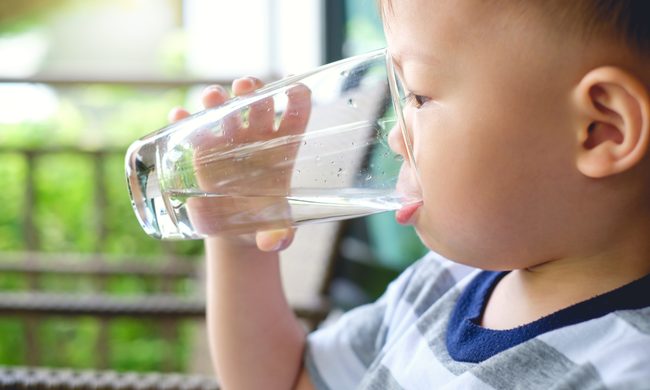
How much water should a 1-year-old drink daily?
Here's how to keep your little human hydrated
Toddler drinking glass of water

Every adult knows the importance of drinking 8 glasses of water a day, but how much water should a 1-year-old drink? As you transition your child to eating solid foods, it's time to introduce enough liquids to balance their diet. Milk is likely still a huge part of your child's daily diet, and they are most likely drinking it more than water. Although milk is important for toddlers to drink to help with the development of their bones and teeth, they must also drink water. If you're wondering how much water a 1-year-old should drink, here's what you need to know.
How much water should a 1-year-old drink?

According to the American Academy of Pediatrics (AAP), 1-year-olds should drink 1 to 4 cups (8 to 32 ounces) of water per day and 2 to 3 cups (16 to 24 ounces) per day of whole milk.

Read more
Cellphones for kids: 6 reasons why it’s a good idea
Here are the pros for kids having their own phones by middle school
Group of tweens all using cellphones.

These days, everyone seems to have a cellphone, including kids. Cellphones can be a great tool for many different reasons, but kids seem to fall down a rabbit hole, much like Alice did, when they get a smartphone. Life quickly becomes a battle between parent and child regarding screen time. For parents deciding whether kids should have cellphones, the pros need to outweigh the cons.

It doesn't take long for a cellphone to rapidly become an extension of your child's hand with online games, videos, social media, and texting. Then, of course, there is the Pandora's box a smartphone opens, like cyberbullying, sexting, inappropriate content, trolls, stalking, social media, privacy, and health concerns.

Read more