Nutrition is important at any age, but especially crucial for toddlers. Ensuring your toddler is eating a balanced diet rich in vitamins and minerals is important for their bodies and their minds to grow and develop. As toddlers explore and attempt new foods (some they love and some they don’t) it can be confusing to know how many of certain foods they need to eat and if they’re eating enough.
It can be easy to feel overwhelmed by nutrition charts and guides when it comes to feeding your toddler, especially if your little one enjoys a steady diet of Cheerios and milk, and not much else. Nutrition for toddlers is so important, but it’s also really basic. Use this handy toddler nutrition guide to help ensure your little one is eating a balanced diet.
Why balanced nutrition is so important during the toddler years
Eating a balanced diet is important no matter what your age, but during the toddler years, and especially the first two years of your child’s life, nutrition helps their body and mind grow and develop properly. It helps fuel their young body so they can be active and play and can also help in developing good eating habits as they grow up.
According to Nemours Kids Health, toddlers between the ages of 2 and 3 years old need anywhere between 1000 and 1400 calories a day. Kids at this age are still developing their palates, and they won’t necessarily like everything they’re offered the first time. It’s important to give your toddler some options of healthy foods to eat so they can have a choice when eating, should they come across something they don’t like.
Every child is different, but this is a good guide to refer to if you’re concerned your child isn’t eating enough.
Dairy
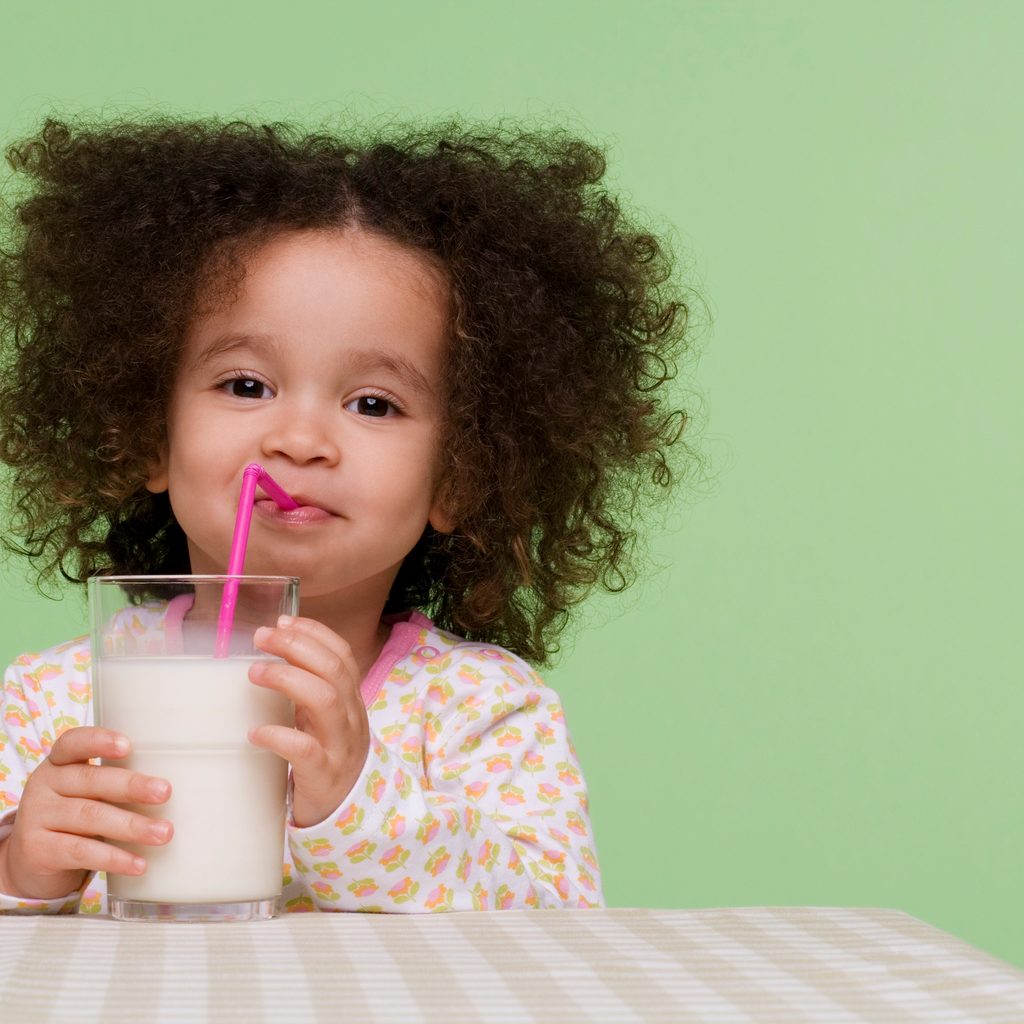
Milk and other dairy products are an important part of a toddler’s diet because of the calcium and vitamin D they provide, which help in growing strong bones and teeth. The American Academy of Pediatrics suggests toddlers get three servings of dairy products a day, including 2 to 3 cups (16 to 24 ounces) of whole milk. In fact, most doctors advise that toddlers really only need to drink either water or milk as a beverage, and if you’re serving them cheese, yogurt, or any other dairy products, not to opt for the low-fat version. After the age of three, you can serve your toddler skim or low-fat milk.
Grains
The AAP recommends toddlers eat six servings of whole grains per day, including options like whole-wheat bread, oatmeal, popcorn, quinoa, or brown or wild rice. Many parents struggle with how large a serving size actually is. For toddlers, one serving of grains is between 1/4 to 1/2 slice of bread, four tablespoons of cooked rice or pasta, 1/4 cup of dry cereal, or 1 to 2 crackers.
Fruits and vegetables
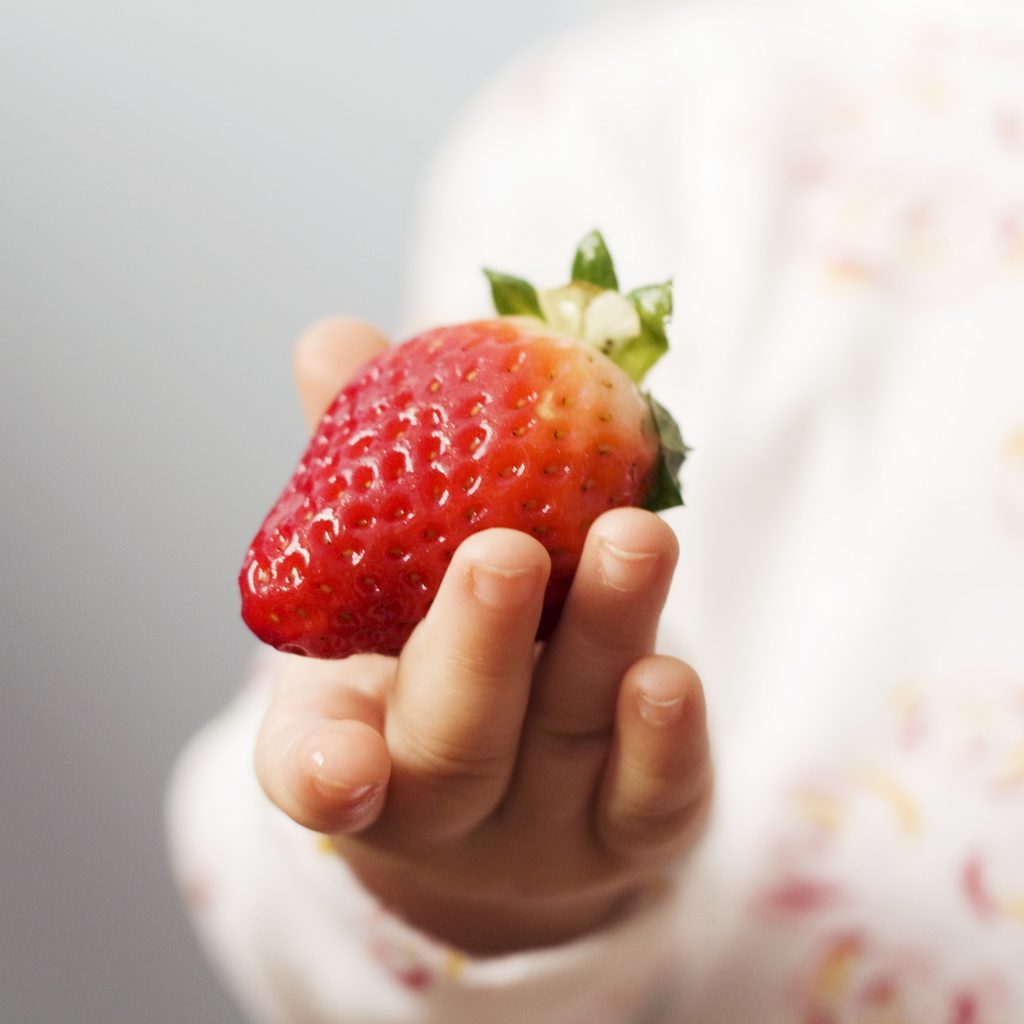
When it comes to fruits and vegetables, the Cleveland Clinic recommends toddlers eat at least five servings a day. A good guide to serving size is one tablespoon of cooked vegetables for each year of age as one serving. A quarter cup of cooked or canned fruit is also the equivalent of a serving size, as well as half a small fruit or vegetable or 1/4 to 1/3 cup of juice.
Protein
Toddlers should also consume 2 to 3 servings of protein daily, according to Yummy Toddler Food. A serving size is typically about one ounce of prepared meat or tofu or about two tablespoons of ground meat or tofu. Eggs are also a great source of protein and one serving is about half an egg.
Legumes
Legumes, such as beans and lentils, are a great food choice for toddlers because they’re not just packed with nutrients but they’re also really easy to cook and easy for toddlers to eat. Two servings a day of legumes is the perfect portion size for toddlers, with one portion being about two tablespoons cooked.
Healthy fats
Consuming healthy fats is important in helping toddlers grow and develop, Avocado, butter, olive oil, and other oils are great ways to add healthy fats into your toddler’s diet. They should have between 3 to 4 of one tablespoon each per day.
Final thoughts
A nutrition guide for toddlers is just that — a guide. Each child is different and his or her appetite will fluctuate through growth spurts. It can be confusing to try to make sure you’re feeding your child the proper foods and the correct amounts, but the important thing is that you introduce him to a variety of healthy foods so as he grows up, he can continue to make healthy choices. Your toddler’s diet may also be affected by food allergies or sensitivities or simply preference, so if you’re concerned she’s not eating enough or getting the nutrition she needs, speak to your doctor about healthy alternatives.