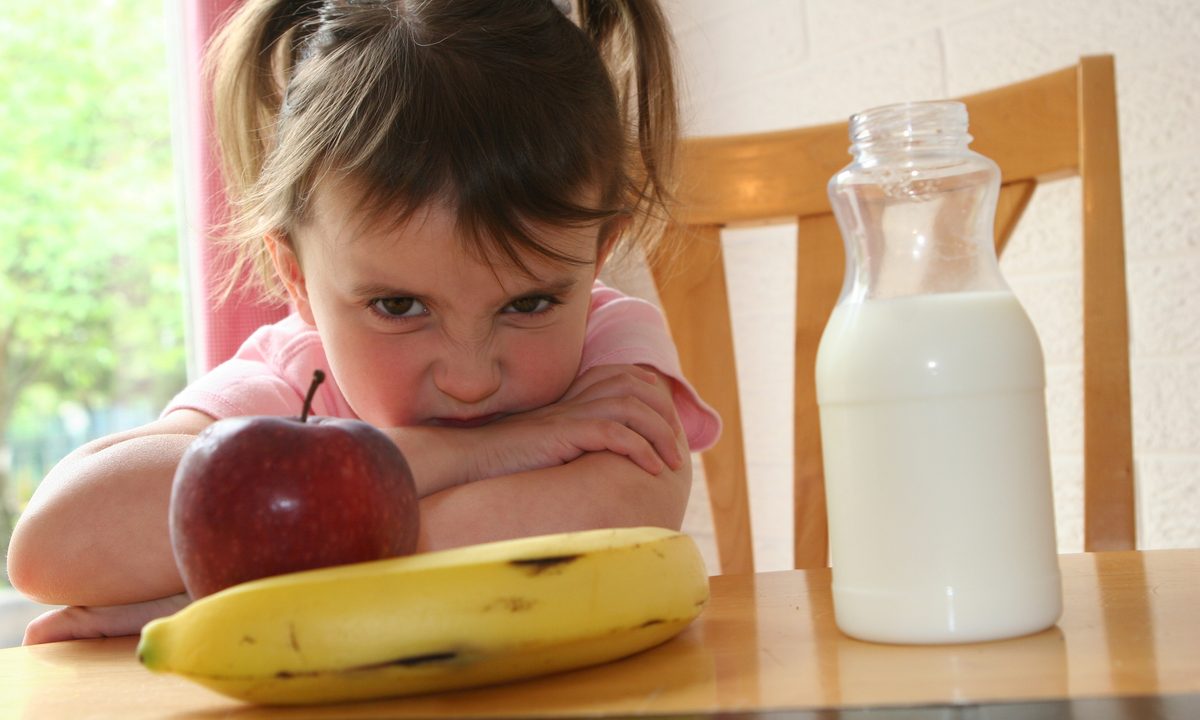
Your toddler will go through many phases as they hit developmental milestones, and sometimes turning their nose up at foods they once loved is one of those phases. Even if you started with a super-easy baby who eats everything you give them, toddlers have a mind of their own. Suddenly, you have a child who won’t eat anything other than goldfish crackers, chicken nuggets, and Cheez-Its. Toddlers don’t get a bad rap for nothing. The terrible twos and “threenager” years have earned their titles because these are the stages of development when children master the word “no.”
One of the main ways toddlers exert their newfound independence is by refusing to eat anything that they previously loved. It’s an incredibly frustrating time for parents, but having a toddler who suddenly won’t eat isn’t the end of the world. It’s actually common, and in some cases, completely normal. Here are a few ideas and tips if your toddler won’t eat and what to do if you have concerns.
What’s normal?

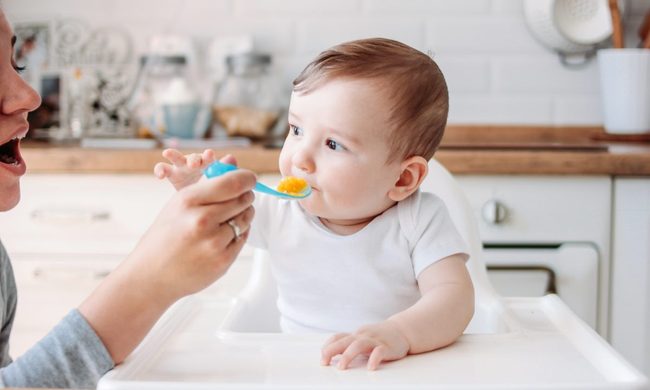
A toddler who won’t eat or has suddenly become a picky eater is not uncommon. According to Healthline, most toddlers are picky eaters. Transitioning from a baby who happily munches on every new food introduced to them to a picky toddler who will only eat chicken nuggets and Goldfish is rarely cause for concern and is just another phase in their development.
“Selective (or picky) eating often shows up between 12 and 18 months,” explained registered dietician and nutritionist Yaffi Lvova. “The official term for this is ‘food neophobia’: the fear of new foods.” Eating or not eating is one of the ways toddlers can exert control over their bodies. If they don’t like what they’re being offered or simply don’t feel like eating, they won’t.
What can parents do when a toddler won’t eat?

Although it’s comforting to know that your toddler’s sudden disinterest or pickiness at mealtime is completely normal, it’s still frustrating for parents. Family Doctor suggests that parents continue to model healthy eating habits around their child if the toddler won’t eat anything. You can’t force your toddler to eat, but you can show them how enjoyable it is to eat healthy foods.
They also suggest giving your toddler a say in what’s to eat. If you present your little one with a few different healthy options to choose from, it will encourage them to try something new. This helps your tot feel as though they have control over their diet.
Don’t let your child’s refusal to eat something stop you from serving them dinner either. Just because your child doesn’t like a new food the first time they try it doesn’t mean that they’ll turn their nose up at it the second or third time. Toddlers need time for their palates to evolve and that means introducing new foods more than once.
Having a set schedule so your child always eats at the same time helps them look forward to eating. You should also involve them in the preparation of the meal. Bringing your toddler into the kitchen to observe and even help prepare what’s for dinner is a great way for them to get excited about eating.
Be cautious about bargaining
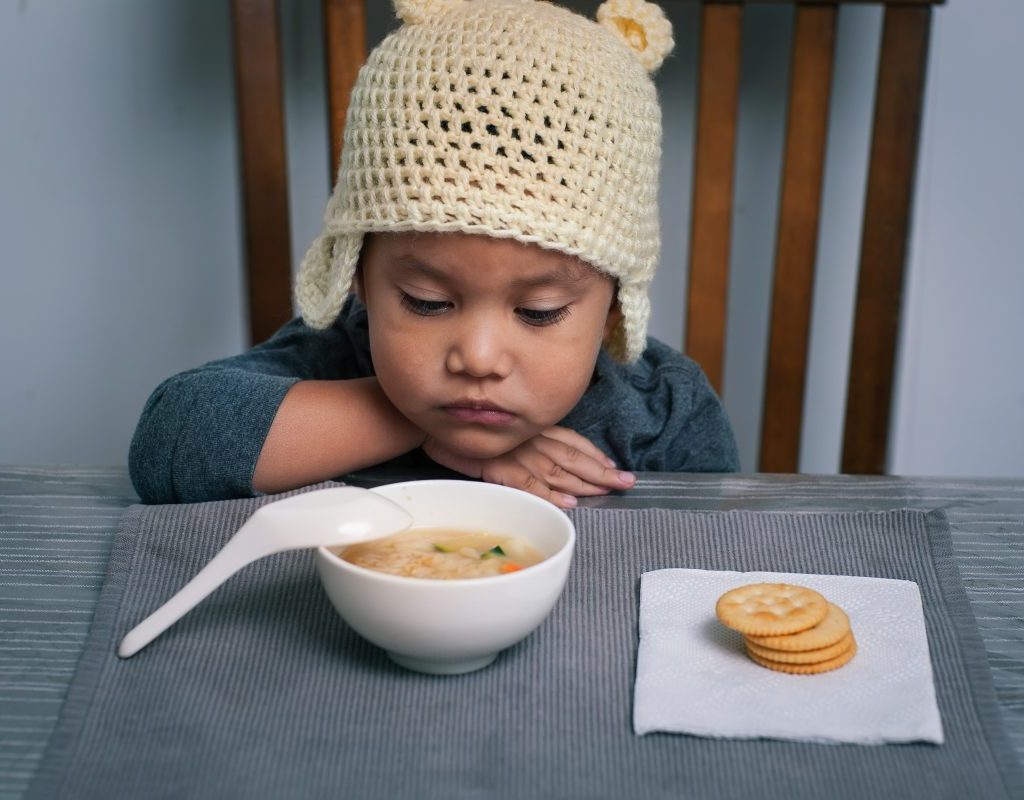
It’s tempting to strike a deal with your toddler when it comes to eating. Bribing them to take a few bites of something in return for extra playtime may seem like a good idea at the time, but leads to an endless battle over food.
Kids Health warns that negotiating over food — especially if parents are bribing their toddler to eat their main meal with the promise of a sugary dessert — promotes unhealthy eating habits and places different “values” on food.
Bribery and negotiating over food may work temporarily, but it rarely has long-lasting positive effects. Instead, you find yourself faced with a battle at every meal as your child knows they have the power over what and when they eat.
How long can a toddler go without eating?
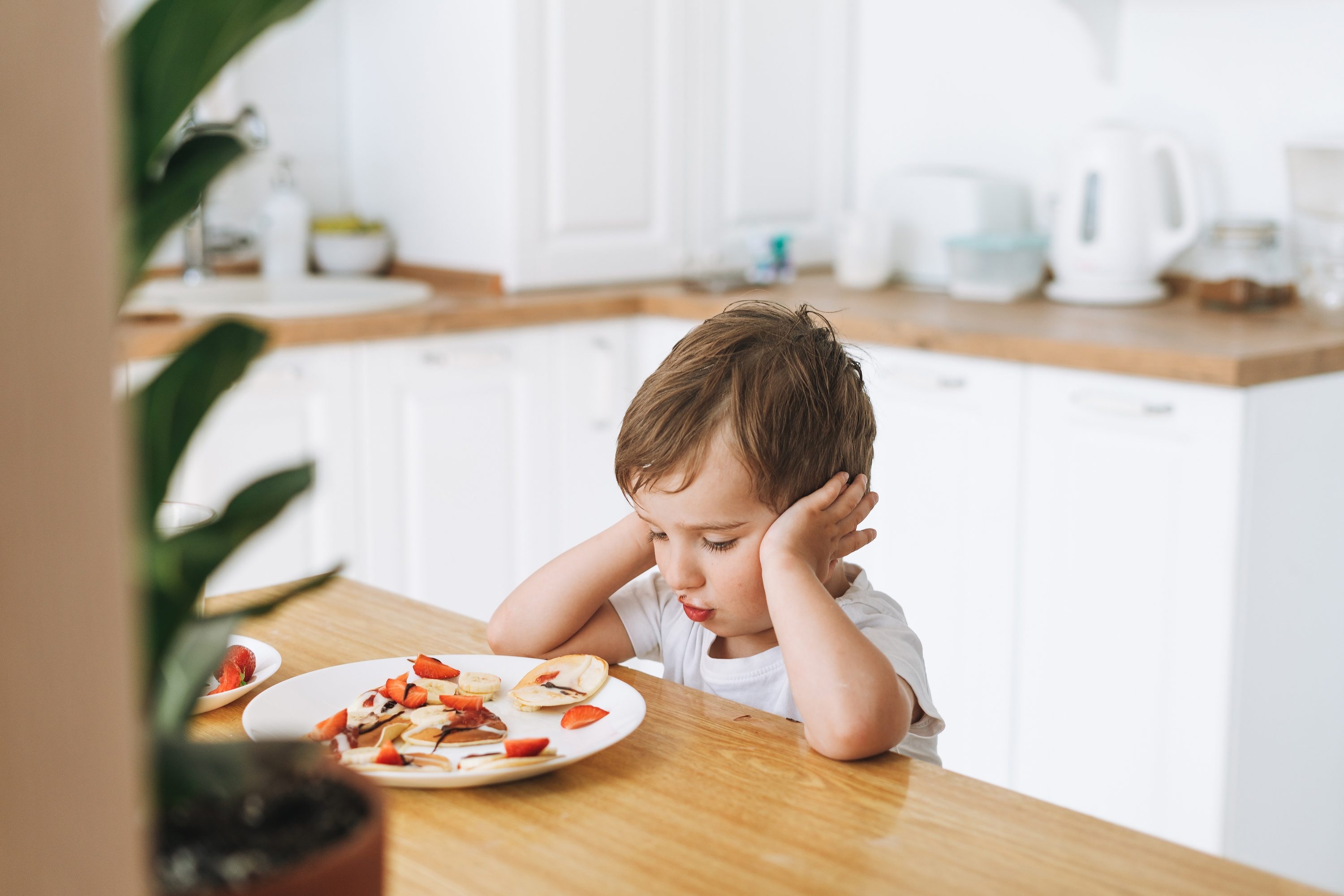
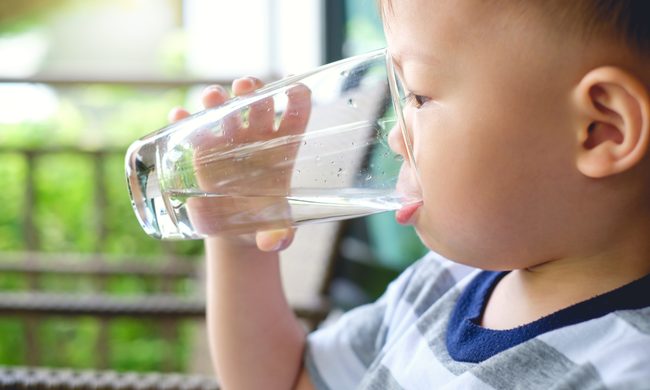
It can be worrying when your toddler won’t eat, but how long not eating is too long? The good news is that toddlers can typically go a few days without eating much, especially if they’re feeling under the weather. You must, however, ensure they are drinking and staying hydrated. If you’re struggling with getting your child to eat try to give them something to drink that contains fruits or vegetables or meal replacement properties.
Toddlers will often be more amenable to grabbing a quick drink of something even when they’re not eating so finding drinks like fruit and vegetable drinks and smoothies are a great way to ensure they are hydrated while still giving them important nutrients.
When to worry

Although most toddlers go through a phase where they don’t eat or become incredibly picky about what food they like, there are times when parents should be concerned. If you have questions about food sensitivities, allergies, stomach issues, autism, or other medical issues, you shouldn’t hesitate to contact your pediatrician. Lvova told Healthline that it’s time to contact your doctor if your child exhibits any of the following behaviors:
- Is losing weight
- Dislikes or refuses entire food groups (grains, dairy, proteins, etc.)
- Goes for several days without eating at all
- Is committed to certain food brands or types of packaging
- Requires a different meal from the rest of the family
- Is anxious in social situations because of food
- Has a dramatic emotional response to disliked foods, such as screaming, running away, or throwing objects
It’s easy to be concerned when your toddler doesn’t eat, but it really is a typical phase of development. Toddlers experience a lot of physical growth spurts, and as a result, their appetite often comes and goes in spurts as well. Keep modeling healthy eating behavior, stay on a feeding schedule, and encourage your toddler to try new things to put the picky eating in the past.