If you’ve noticed your child has developed some rather odd eating habits, you don’t necessarily need to worry. After all, toddlers love to keep their parents on their toes. Once you’ve fully stocked your pantry or refrigerator with a certain food that your toddler has been devouring nonstop, they will suddenly develop an aversion to said food and absolutely refuse to eat it. Toddlerhood is a lot of fun.
Picky and weird eating habits seem to be borne out of toddlerhood, and the reasons aren’t that surprising. As toddlers develop, they quickly learn that what, when, and how they eat are the few things they actually have control over (or they think they do).
So whether your child insists on dipping everything — and I mean everything — in ketchup, or they only eat meals consisting of condiments, there is usually no reason to worry. If you’ve been wondering why your toddler seems to have such odd eating habits, we help solve the mystery for you.
Making their own rules
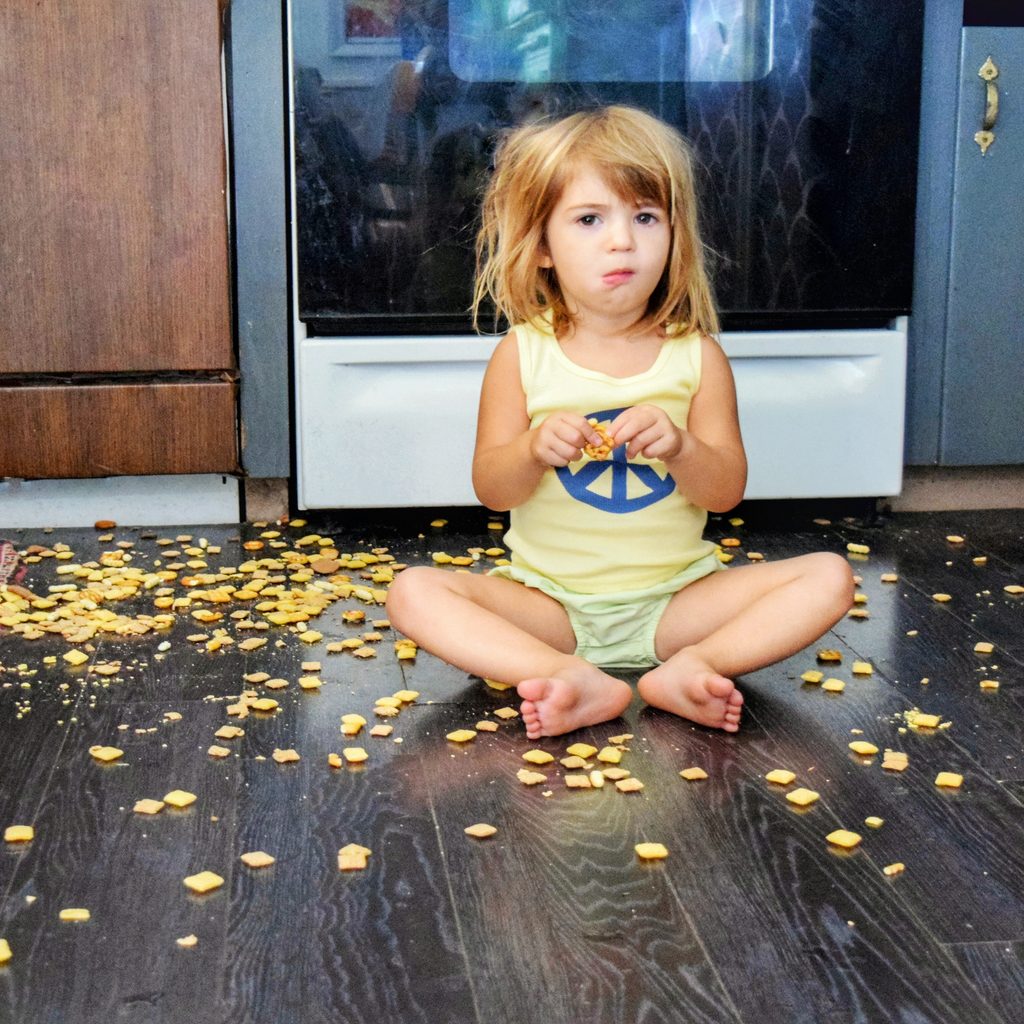
Toddlerhood is the stage of development where children are trying new foods, flavors, and new textures. As they begin to try these new foods, they often develop an interesting way of eating that, while completely normal to them, may fall into the weird category for the rest of us. “2yo insisted on sliced apples and ketchup for breakfast the other day,” one parent shared on Twitter, in response to one dad’s request to hear about odd food combinations. Another added, “Tuna fish on pop-tarts. Seriously.”
Different eating habits don’t always apply just to what your toddler is eating, either. As toddlers develop their palate and learn what they like and don’t like, they also experiment with food. And while certain combinations of food may make our stomachs turn, toddlers seem to know what they like.
Reluctant to change
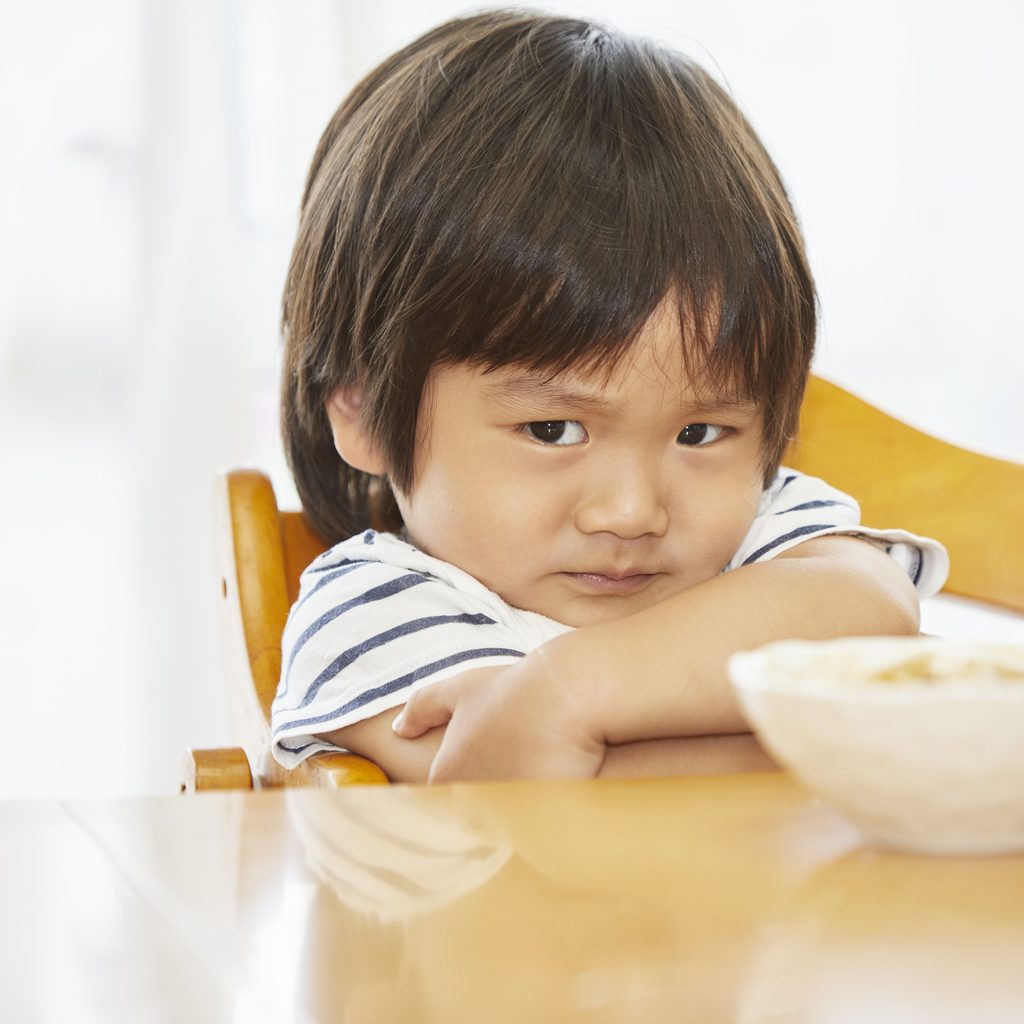
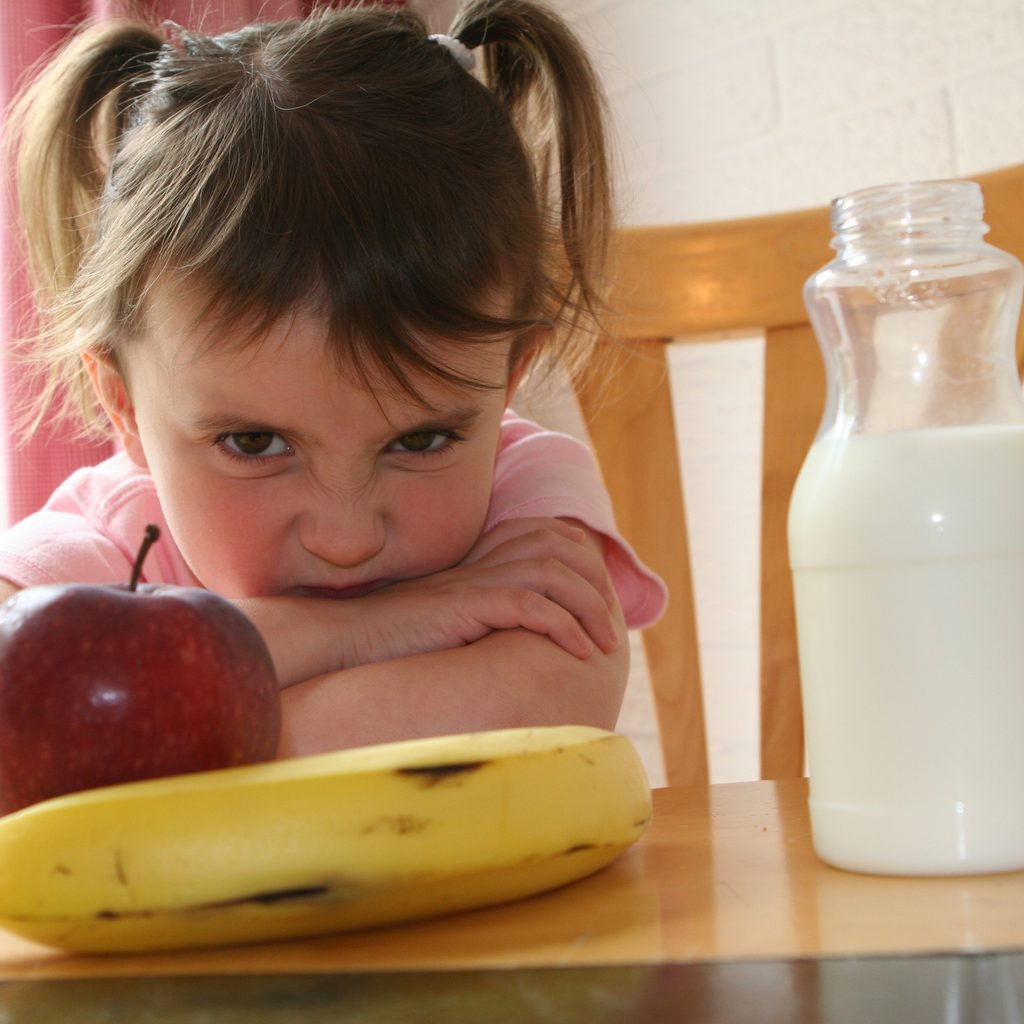
If you’ve had a toddler, you know that convincing them to try something new or eat something in a different way isn’t always an easy task. Toddlers can be incredibly stubborn. If they want to eat ketchup on their pasta for lunch every day, it can be difficult to explain to them that trying something new may be equally as tasty, even if just a few weeks before they would happily devour a plate of pasta with tomato sauce.
Toddlers can also be afraid of change, making it a bit scary for them to try something new when it comes to meals and snack time. While most toddlers grow out of their picky or weird eating phase, there are some ways parents can help them move along a bit more quickly.
What To Expect suggests involving your child in the preparation process so he can help choose what he’s going to eat, or offer a few different options and maybe find a food choice similar to something he already loves to help him bust out of his picky eater shell. Modeling good eating habits and food choices is also a great way to get kids to try a variety of foods.

Why weird eating habits are normal
You may side-eye your toddler for eating a stick of butter like a chocolate bar or dipping her strawberries in mayonnaise, but making odd food choices really is pretty normal for kids. A few years ago NPR host Sam Sanders asked his followers to tweet him their weirdest eating habit they had as a kid, and the responses are simultaneously hilarious and disgusting. If you’ve ever wondered whether you should be concerned about your toddler’s weird eating habits, reading this thread should put your mind at ease. Experts also suggest not reacting to your child’s weird food choices and simply modeling healthy eating choices.
When to worry
While it’s completely normal for your toddler to experiment with her food choices, there can be a point where parents should be concerned. If you feel your child isn’t gaining enough weight or is gaining too much weight, it may be time to contact your pediatrician to get some expert advice. Parenting Pod also suggests contacting a medical professional if your toddler has tantrums around mealtime or simply refuses to eat, if he is hiding or hoarding food, if she exhibits a consistent aversion to tastes and/or textures, or if he has anxiety around bowel movements.
Like most developmental phases during toddlerhood, this too shall (probably) pass. The truth is, there’s no real mystery as to why kids like to eat weird things other than they’re simply experimenting with different tastes and textures and sometimes they just love to get a reaction out of others with their choices. If your toddler’s weird eating habits are causing you any kind of concern you should always check with your pediatrician.