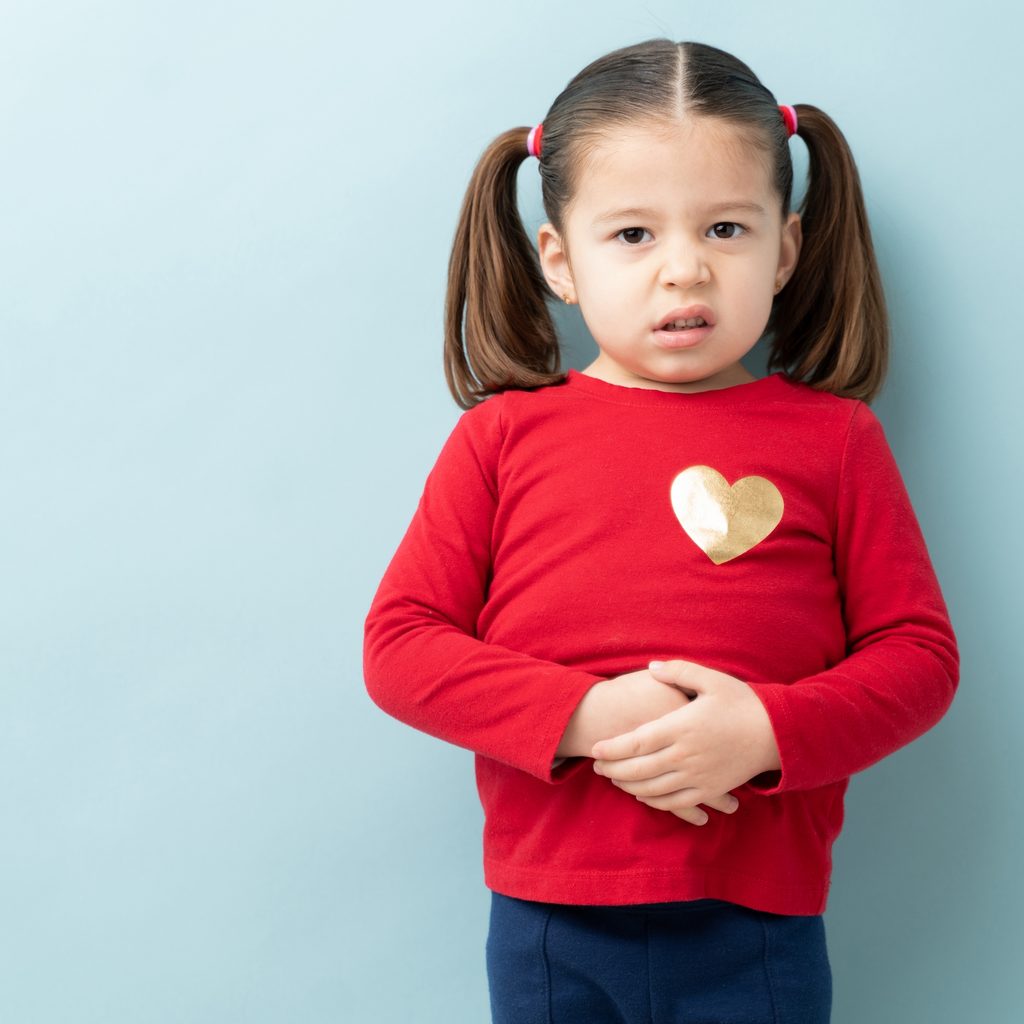
Let’s face it, if your toddler is unhappy, everyone is unhappy, and nothing makes a toddler more unhappy than being constipated. Constipation is quite common for toddlers, as they experiment with new foods, because not every new food will always agree with their digestive system. Just like how new foods can sometimes upset our stomachs, the same is true for toddlers.
Thankfully, there are lots of different food options for your constipated toddler that will help get things moving and bring them some relief. If your little one has been irritable lately and you simply want to help them feel better, here are some ideas of what to feed your constipated toddler to get things moving and make everyone feel a lot happier.
Fiber
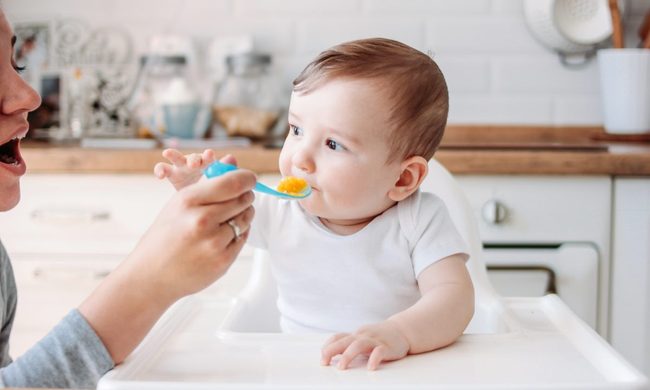
Just like adults, children need fiber in their diet to help keep their bowel movements regular. Unfortunately, toddlers can be picky when it comes to what they eat, so sometimes parents may not notice that they haven’t been eating enough fiber until their child becomes constipated.
The National Institute of Diabetes and Digestive and Kidney Disorders (NIDDK) suggests that children should get anywhere between 14 and 30.8 grams of fiber a day, depending on their age and sex. NIDDK notes that fiber can be found in the following foods:
- Whole grains, such as whole-wheat bread and pasta, oatmeal, and bran flake cereals
- Legumes, such as lentils, black beans, kidney beans, soybeans, and chickpeas
- Fruits, such as berries, apples with the skin on, oranges, and pears
- Vegetables, such as carrots, broccoli, green peas, and collard greens
- Nuts, such as almonds, peanuts, and pecans
WebMD also suggests adding fruits and fruit juices that contain sorbitol, like prunes, mango, and pear, to help relieve and prevent constipation.
Water
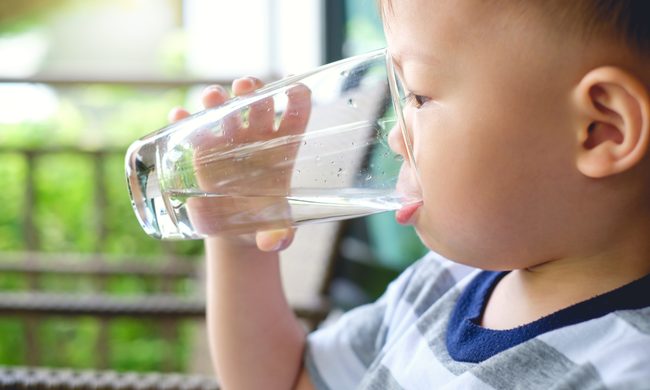
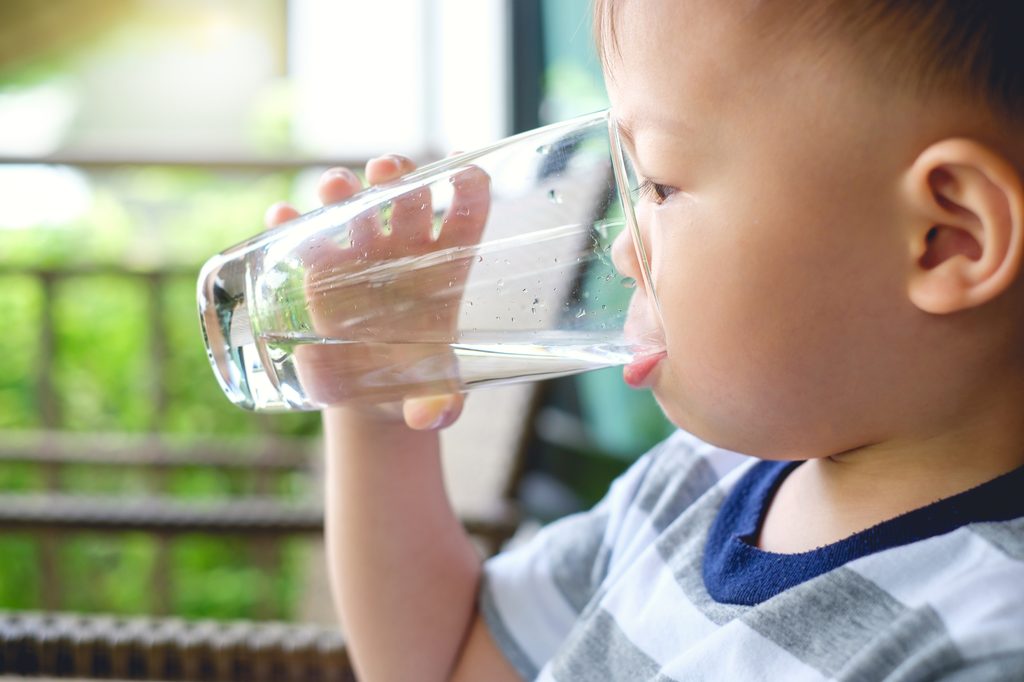
Your toddler may love their milk, but it may be one of the causes of his constipation. Instead, encourage your little one to drink water, as it can often help alleviate constipation and get things moving. Just like adults, toddlers also need to stay hydrated with non-dairy fluids, so encouraging them to drink water can definitely help alleviate constipation.
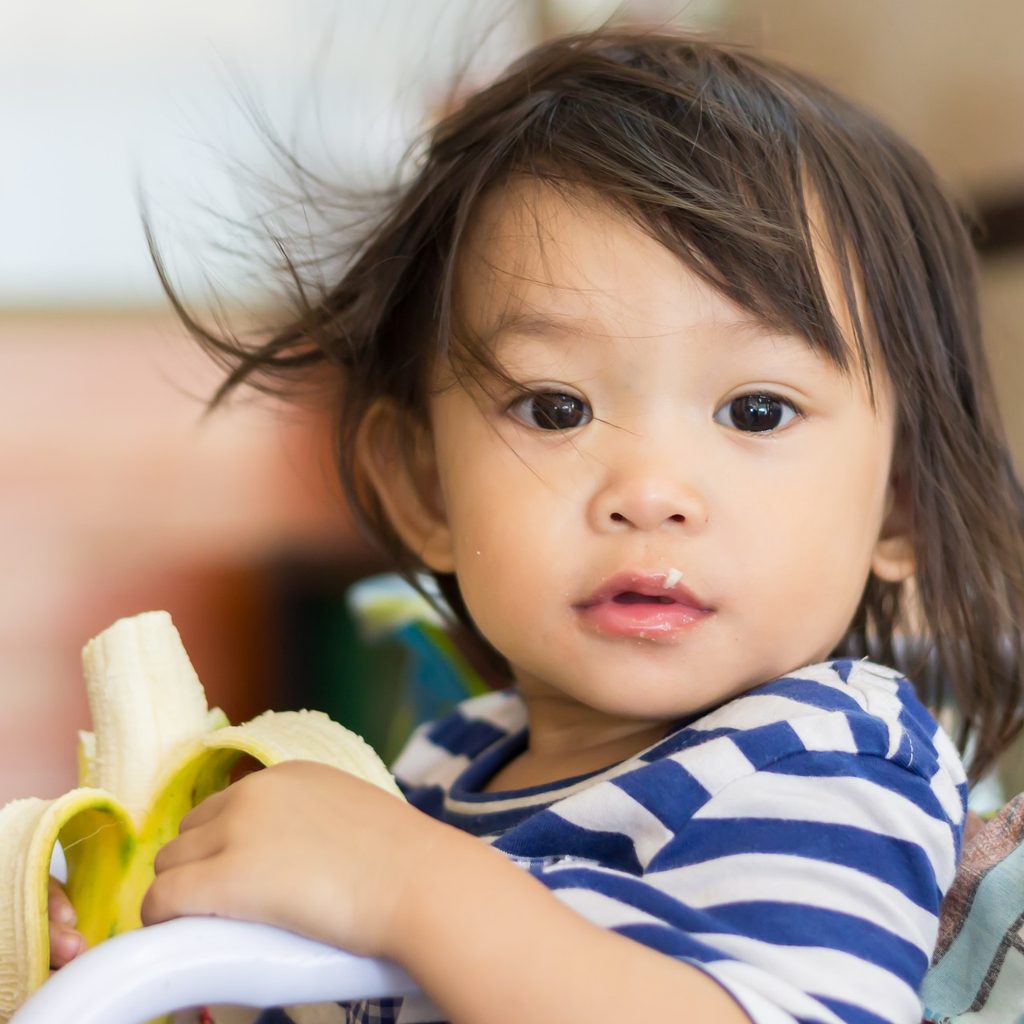
Bananas
Bananas are one of those interesting foods that can either help or cause constipation. Unripe bananas can actually contribute to your toddler’s constipation, but ripe bananas can actually help. “Unripened, green bananas are constipating,” registered dietician Tammy Lakatos told Everyday Health. “But ripe bananas are very high in soluble fiber, which in some cases can help to push waste through the bowels, so bananas can also be helpful in eliminating constipation issues.”
Food to avoid
If your toddler experiences constipation often, it may be time to take a closer look at her diet. Dairy products tend to be high in fat and low in fiber, which can cause constipation in toddlers. This is one of the reasons many experts suggest limiting how many dairy products she eats and how much milk your toddler is drinking and supplementing it with water.
Junk food, like chips and cookies, as well as fast food meals, should also be limited due to their high fat and low fiber content. Many frozen prepared foods and processed foods should also be limited because of their lack of fiber, along with too much red meat. These foods don’t need to be eliminated completely, just limited and served with high-fiber food that will help to keep your child regular.
Greasy, fried foods can also cause constipation. “Just like potato chips, other deep-fried foods are greasy and take a long time to digest,” registered dietician Mark Spielmann told Everyday Health. “This can slow your normal gastrointestinal movement.”
Other causes of constipation in toddlers
There are a number of different causes of a toddler’s constipation in addition to their diet. Healthline notes that children who are more physically active tend to be less constipated, while a change in routine, certain medication, and a fear of using the potty may also contribute to a toddler’s constipation.
Sometimes toddlers are just too busy playing that they will “hold it” for extended periods of time, causing discomfort as well. Another way to help your child avoid becoming constipated is to take him to visit the potty regularly and encourage him to go when he feels his body telling him he needs to.
Medication
Should changing your toddler’s diet and reminding her to potty fail to help with her constipation, you should contact your pediatrician who can provide further guidance and possibly prescribe medication. Probiotics and certain laxatives are remedies that should be used only under the guidance of a medical professional.
Consult your doctor
Just like adults, toddlers’ bowel movements are largely affected by what they eat. Ensuring your little one is drinking enough water and eating a diet high in fiber and low in fat is a great way to keep him healthy, happy, and regular. Also, like adults, if you become worried that your toddler’s constipation is caused by something else, you should consult with your doctor.